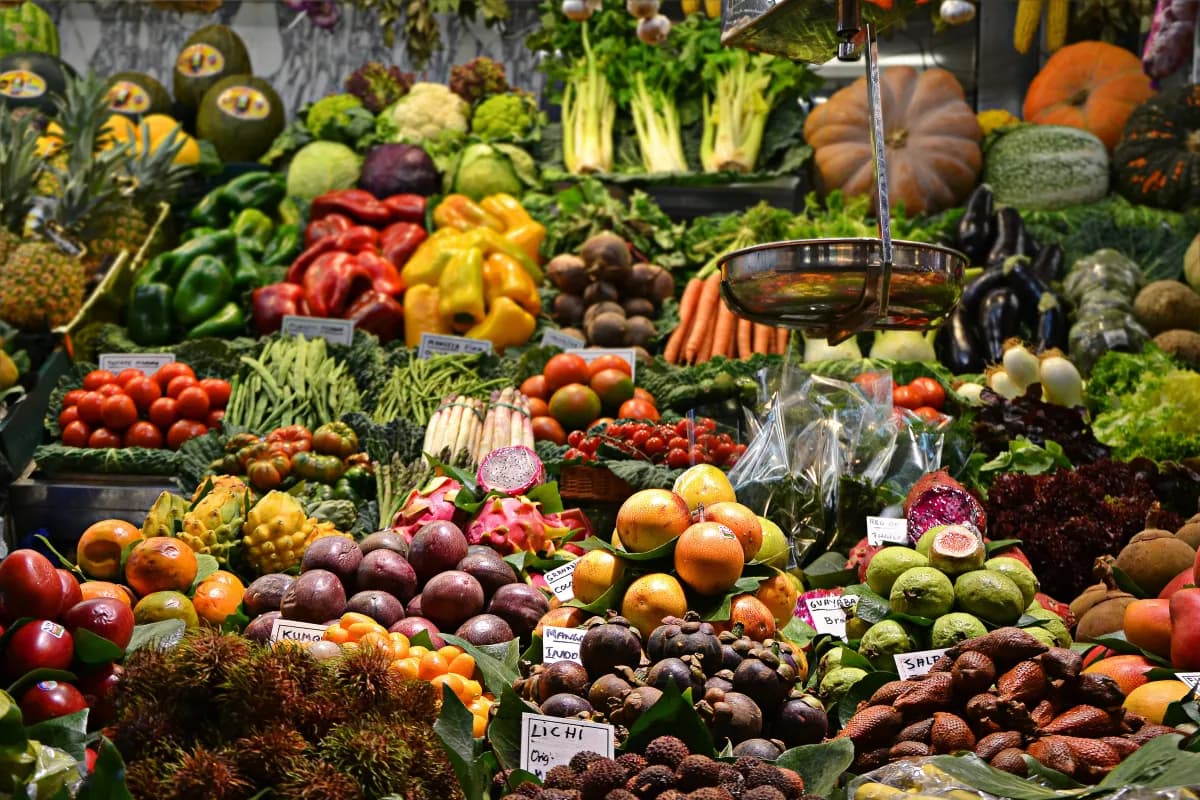
Did you know that eating the wrong foods after oral surgery can lead to painful complications like dry socket or infection? Protecting the surgical site during recovery is crucial, including sticking to soft, non-irritating foods that won’t disrupt the healing process. That’s why having a go-to list of 50 soft foods to eat after tooth extractions is so helpful—it keeps you nourished and safe while your mouth heals.
This guide will explain what to eat after a tooth extraction, how to prepare your meals, the dos and don’ts post-op, and how Smile4Me Dental Care supports you through every step of recovery.
List of 50 Soft Foods to Eat After Tooth Extractions
Eating the right foods can make all the difference when your mouth is healing after oral surgery. The best foods to eat after tooth extractions are soft, moist, and easy to chew—or require no chewing at all. To help you recover comfortably and stay well-nourished, we’ve organized a list of soft foods to eat during recovery.
Breakfast and Baked Goods
After tooth extractions, breakfast can still be soft, warm, and delicious. These options give you a gentle start to your day while being easy on your healing gums.
Applesauce
Oatmeal
Cream of wheat
Pancakes
Muffins
Waffles (softened or soaked)
Biscuits (soft or soaked)
Sweetbreads (like banana bread)
Soft bread (soaked in soup or milk)
Porridge
Proteins and Main Dishes
Protein helps your body repair tissue and recover faster after oral surgery. These main dishes are packed with nutrients while remaining easy to eat.
Eggs (scrambled, poached, or soft-boiled)
Macaroni and cheese
Ground chicken
Deli meats (thinly sliced)
Sandwich meats
Fish (steamed or flaky)
Tuna salad
Hummus
Refried beans
Tofu
Fruits and Vegetables
You don’t have to skip produce during recovery—just cook or mash it for a soft texture. These fruits and vegetables are rich in vitamins that help reduce inflammation and speed up healing.
Mashed bananas
Mashed potatoes
Steamed carrots
Steamed broccoli
Baked apples
Fruit puree
Mangos (soft and ripe)
Guacamole
Pureed spinach
Cranberry sauce
Soups and Blended Meals
Soups and blended dishes are perfect for eating after tooth extractions, especially in the first few days. They’re warm, soothing, and packed with nutrients.
Broth (warm, not hot)
Creamy butternut squash soup
Cream of chicken soup
Miso soup
Clam chowder
Blended lentil soup
Soft-cooked pasta (spaghetti, egg noodles, fettuccine, ramen)
Soufflé
Stew (soft-cooked meat and veggies)
Gravy
Desserts and Drinks
Yes, you can still enjoy sweet treats and nourishing drinks during recovery. These items keep things tasty while helping you stay hydrated and satisfied.
Yogurt
Ice cream (no mix-ins)
Frozen yogurt
Jell-O
Pudding
Mousse
Crème brûlée
Milkshakes (use a spoon, no straw)
Smoothies (no seeds or ice)
Fruit or vegetable juice
What Counts as Dental Surgery?
Dental surgery includes procedures that treat or repair the teeth, gums, jawbone, and other tissues in the mouth. While recovery varies depending on the procedure, many treatments temporarily require a softer diet to protect the surgical area and make eating more comfortable.
Common types of dental surgery include:
Tooth Extractions: Removing a damaged, infected, or problematic tooth from its socket.
Wisdom Teeth Removal: Extracting one or more wisdom teeth, including teeth that are impacted or causing problems.
Dental Implant Surgery: Placing a dental implant into the jawbone to support a replacement tooth.
Gum Surgery: Treating or repairing gum tissue affected by disease, recession, or other oral health concerns.
The soft food options listed above can provide a useful starting point for meals after these procedures. However, what and when you can eat depends on the type of dental surgery you had and how your mouth is healing, so always follow your dentist’s specific post-operative instructions.
How to Prepare Soft Foods to Eat After Dental Surgery

Preparing foods to eat after dental surgery is about protecting your healing gums while ensuring you get enough nutrients to recover. Here are a few tips to make food safer and more enjoyable while recovering:
Cook Thoroughly for Softness: Use methods like boiling or slow-cooking to ensure meats, veggies, and grains are soft enough to mash with a fork.
Blend and Mash Well: Smooth out meals like soups, fruits, and beans using a blender, food processor, or a fork to reduce chewing.
Avoid Extreme Temperatures: Let hot foods cool slightly and avoid icy drinks to prevent irritation or sensitivity at the surgical site.
Things to Avoid After Tooth Extractions: The Dos & Don’ts
Recovering from a tooth extraction isn’t just about what you eat—it’s also about what you should avoid. While soft foods play a major role in healing, following a few essential dos and don’ts can help you avoid additional complications.
Dos
Eat Soft, Moist Foods
To avoid irritating the surgical site and support proper healing, eat soft, easy-to-swallow foods full of moisture.
Stay Hydrated with Water
Drink plenty of water throughout the day to keep your body hydrated and flush bacteria from your mouth, reducing the risk of infection.
Rinse Gently with Saltwater
After the first 24 hours, rinsing your mouth gently with warm saltwater helps soothe the area and keep it clean.
Don’ts
Don’t Use a Straw
Sipping through a straw can create suction that may dislodge the blood clot in the extraction site, increasing your risk for dry socket.
Don’t Eat Crunchy or Spicy Food
Hard, crunchy foods or spicy, acidic meals can irritate your gums and may damage the surgical site, making recovery harder.
Don’t Smoke or Drink Alcohol
Smoking and alcohol can slow healing, increase the risk of infection, and interfere with any prescribed medications.
The Role of Nutrition in Healing
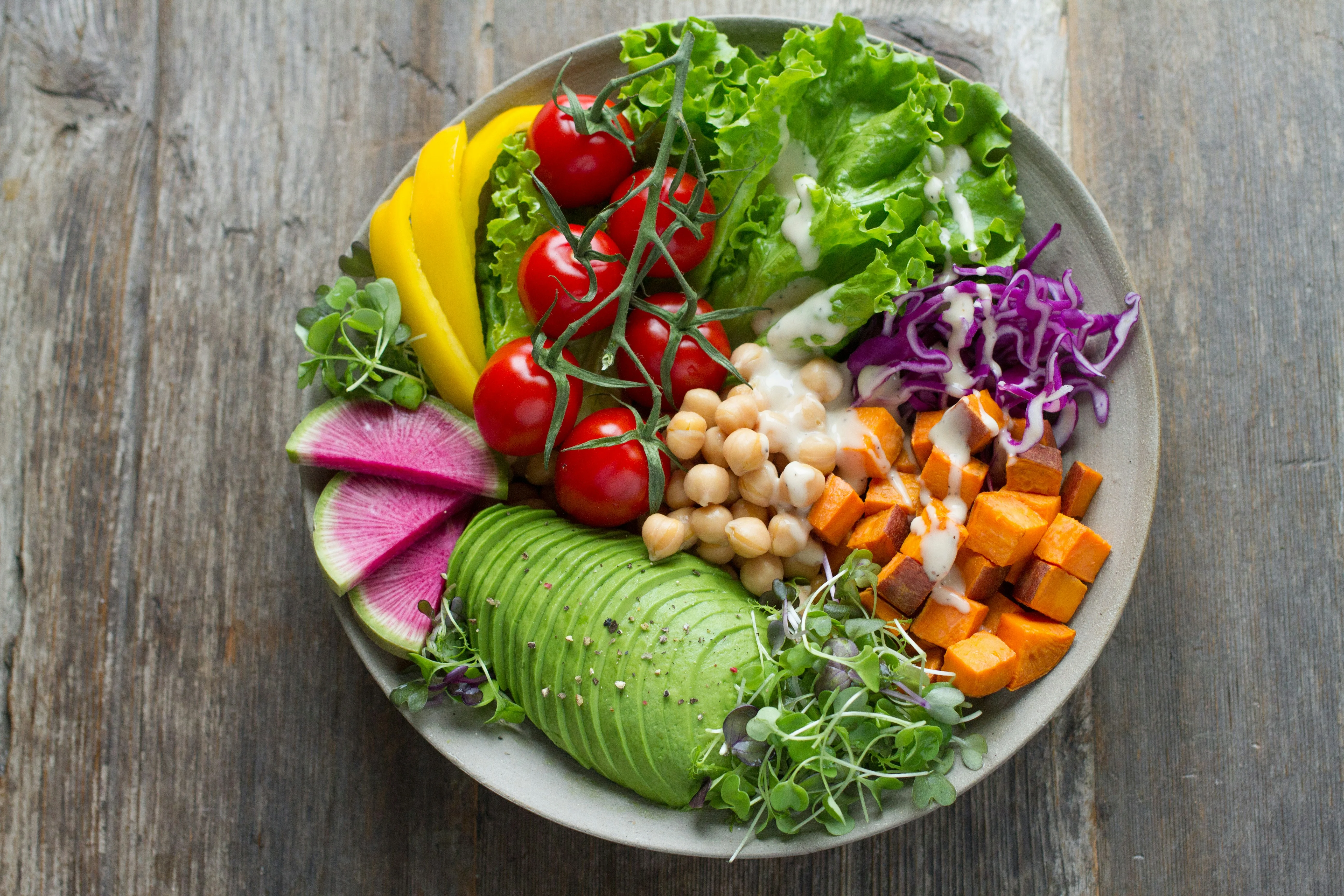
After a tooth extraction, your body works hard to repair tissue, reduce inflammation, and fight off infection, making nutrition a critical part of recovery. Choosing the right foods gives your body the fuel to heal faster. Protein-rich meals, vitamin-packed vegetables, and hydrating soft foods all support tissue regeneration while minimizing complications.
How Smile4Me Dental Care Helps Patients Recover From Tooth Extractions
At Smile4Me Dental Care, we understand that tooth extractions are never easy, but your recovery doesn’t have to be stressful. Our experienced team provides detailed post-op guidance on caring for your mouth after your procedure.
We also offer personalized dietary suggestions to help you avoid complications like dry socket or or have questions about what qualifies as a dental emergency, we’re here. Whether you need help identifying safe foods or have questions about what to avoid, we’re here with clear, compassionate advice.
Our Emergency Dental Services
Smile4Me Dental Care proudly offers same-day emergency care, including urgent tooth extractions and post-surgical support. Here’s what to expect when you come in for emergency treatment:
Tooth Extractions: Quick, gentle removal to relieve pain and protect oral health.
Dental Implants: Same-day placement to restore missing teeth and function.
Severe Infections: Immediate treatment to stop pain, swelling, and spread.
As the top-rated dentist in Astoria, we offer timely treatment and comprehensive recovery support tailored to your needs.
Conclusion: Recover Faster With Soft Foods After Oral Surgery
In conclusion, choosing the right meals during recovery is as important as the procedure. From blended soups and mashed veggies to smooth yogurt and scrambled eggs, soft foods make recovery more manageable and comfortable.
If you’re experiencing pain, need a same-day extraction, or want expert guidance on what to eat after tooth extractions, Smile4Me Dental Care is here to help. Book your appointment online or walk in today—we’re ready to serve you with fast, friendly care.
FAQs About What to Eat After Tooth Extractions

What are the healthiest soft foods to eat post-dental surgery?
Scrambled eggs, avocado, Greek yogurt, and pureed vegetables offer protein, healthy fats, and vitamins to support healing.
Why can’t I use a straw after a tooth extraction?
Using a straw creates suction that can pull the blood clot out of the socket, increasing the risk of dry socket and delayed healing.
When can I get regular food to eat after tooth extractions?
Most patients can begin reintroducing soft solid foods after 5–7 days, but you should follow your dentist’s guidance based on your healing progress.
FAQs About Smile4Me Dental Care
Does Smile4Me Dental Care provide same-day emergency tooth extractions?
We offer same-day, affordable dental extractions, dental implantss, and more for patients experiencing pain or urgent dental issues.
Where is Smile4Me Dental Care located?
You can find us at 31-57 Steinway St, Queens, NY 11103.
What makes Smile4Me Dental Care different from other dentists in Astoria?
We offer personalized care, flexible financing, expert providers, and same-day emergency treatment—all with a friendly, professional touch.