
According to the American Academy of Implant Dentistry, more than 3 million people in the U.S. have dental implants, and that number continues to grow each year. For patients missing most or all of their teeth, full-arch implant solutions have become one of the most predictable ways to restore function and confidence.
If you’re comparing all on 4 vs all on 6 dental implants, you’re likely looking for the most stable, long-term solution for your smile. While both systems replace an entire arch of teeth with implant support, the structural design and candidacy factors can differ in important ways.
This guide explains how each option works, how they compare, and how to decide which approach fits your needs.
Understanding All-on-4 and All-on-6 Systems
Both systems are designed to replace a full upper or lower arch of teeth using strategically placed dental implants as anchors for a fixed bridge. Instead of replacing each missing tooth individually, these approaches rely on four or six implants to support a custom prosthetic arch. This creates a stable, non-removable alternative to traditional dentures that restores chewing ability, speech clarity, and facial structure.
All-on-4 uses four implants, often with the back implants placed at an angle to maximize contact with available bone and reduce the need for grafting. All-on-6 follows the same concept but adds two additional implants, typically placed more evenly across the jaw. The extra support can improve load distribution and long-term structural strength, especially for patients with stronger bite forces.
All on 4 vs All on 6 Dental Implants: Key Differences
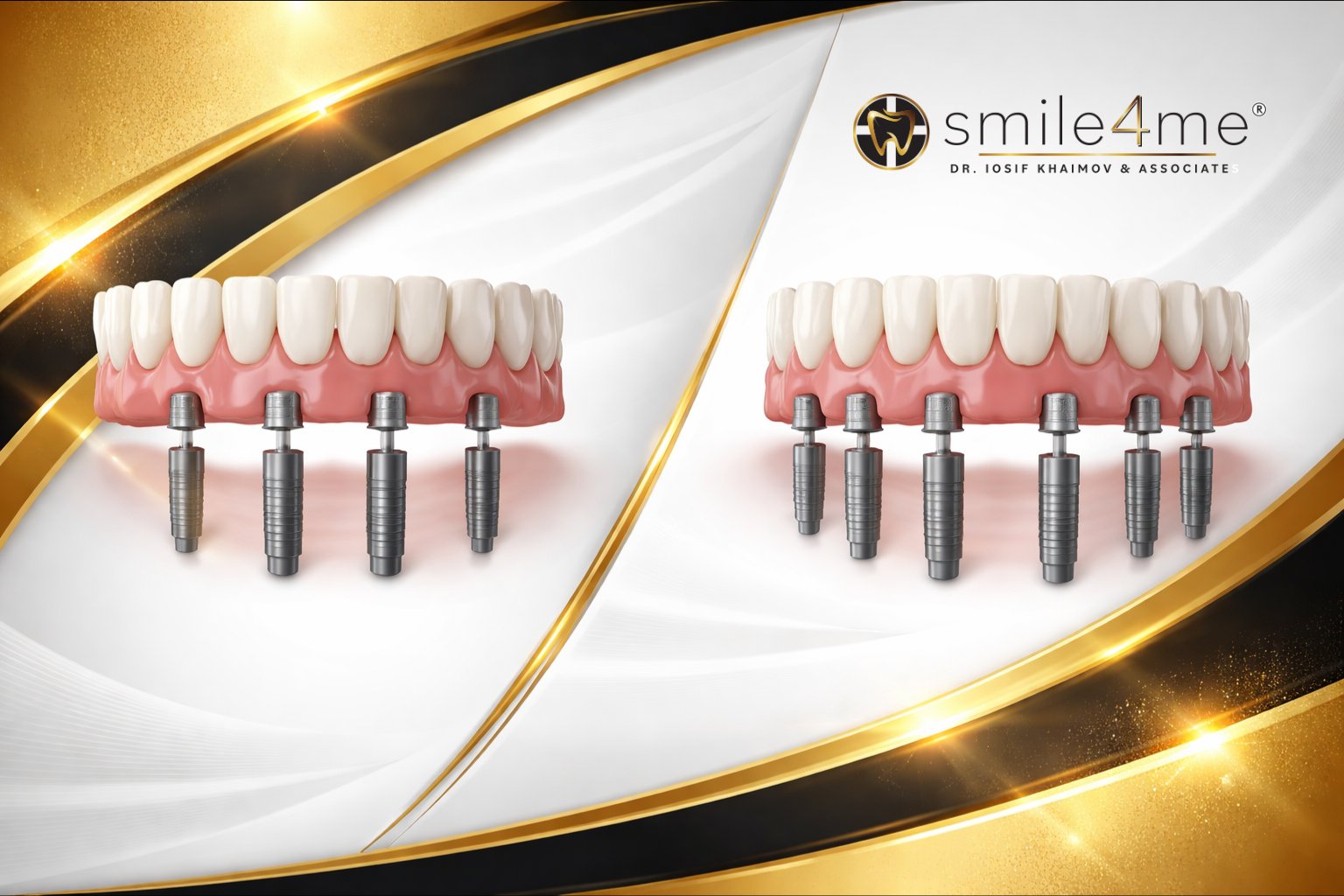
Although both systems aim to restore full function and aesthetics, their design and surgical approach vary in meaningful ways. The distinctions become clearer when comparing the quantity of implants, placement strategy, force management, and overall procedural complexity.
Number of Implants
The most obvious difference is the total number of implants used to support the arch. All-on-4 relies on four implants, while All-on-6 uses six, creating two additional anchor points for the prosthesis. Those extra implants can reduce stress placed on each post and may enhance long-term durability in certain cases.
Implant Placement Angles
In All-on-4, the two posterior implants are commonly angled to utilize existing bone and avoid anatomical structures such as sinuses or nerves. This angulation can make treatment possible even in patients with moderate bone loss. All-on-6 implants are usually placed more vertically and distributed evenly, which can offer added structural reinforcement when bone volume allows.
Force Distribution
Chewing forces are shared across the implants supporting the bridge. With six implants, pressure is distributed across more contact points, potentially lowering strain per implant. All-on-4 still provides strong support, but each implant carries a slightly higher share of the load compared to a six-implant configuration.
Surgical Complexity
All-on-4 procedures generally involve fewer implant placements, which can shorten surgical time and reduce overall complexity. All-on-6 requires placing two additional implants, which may increase chair time and surgical planning. The choice often depends on anatomy, bone quality, and long-term functional goals.
All on 6 Dental Implants vs All on 4: Candidacy Factors
Choosing between systems requires a comprehensive evaluation. Your oral health and lifestyle influence the decision.
Best All-on-4 Candidates:
Adequate bone density in key jaw areas
Preference for shorter surgical procedures
Budget-conscious patients seeking effective solutions
Good oral hygiene maintenance habits
Ideal All-on-6 Candidates:
Strong bite forces or teeth grinding habits
Sufficient bone volume for six implants
Desire for maximum restoration stability
Investment capacity for enhanced durability
Medical conditions may affect candidacy. Uncontrolled diabetes, heavy smoking, or active gum disease require management before surgery.
All-on-4 vs All-on-6 Dental Implants Treatment Experience
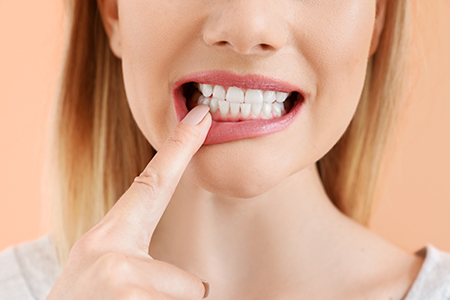
Beyond structural differences, patients often want to understand what the overall treatment journey feels like from surgery through healing. The experience can be better understood by looking at how recovery unfolds and what immediate improvements most patients notice.
Recovery Process
Initial healing generally involves mild swelling and discomfort for a few days, regardless of the system chosen. Most patients return to light daily activities quickly, but complete osseointegration—the fusion between bone and implant—takes several months. During this period, a temporary prosthesis is often worn while the implants stabilize.
Immediate Benefits
Both systems can often provide same-day temporary teeth, allowing patients to leave with a functional smile. Chewing ability improves significantly compared to traditional dentures, and facial support is restored almost immediately. Many patients also notice improved confidence in social and professional settings.
All-on-4 vs All-on-6 Dental Implants Comparison: Cost Analysis
Investment levels reflect treatment complexity and materials used.
Cost Ranges:
All-on-4: $12,000-$25,000 per arch
All-on-6: $20,000-$50,000 per arch
Additional costs: Extractions, bone grafting, or sedation
All-on-6 costs more because it requires additional implants and a longer surgery time. However, enhanced stability may provide better long-term value for some patients.
All-on-4 vs All-on-6 Dental Implants: Differences in Maintenance
Daily care requirements remain similar for both systems. Special brushes and water flossers work best around implants.
Daily Care Essentials:
Brushing: Soft-bristled brushes designed for implants.
Water flossing: Most effective cleaning around implant sites.
Antimicrobial rinse: Helps prevent infection.
All-on-6 may require slightly more time for cleaning because of the additional implant sites.
Professional Care:
Regular dental visits every 3-6 months are essential. Your dentist checks the stability of the implants and cleans hard-to-reach areas.
Proper maintenance ensures long-term success regardless of system choice.
Making Your Treatment Decision
Several factors influence your ideal choice. Budget, bone density, and lifestyle goals all matter.
Choose All-on-4 when:
Seeking cost-effective solutions with excellent results
You have adequate bone for angled implant placement
Preferring shorter, less complex procedures
Needing reliable treatment with proven success
Choose All-on-6 when:
Wanting maximum stability and chewing power
You have strong bite forces or grinding habits
Desiring the most durable long-term solution
Able to invest in enhanced stability benefits
Both systems provide life-changing results with experienced professionals. Finding the right match for your needs is key.
Get Expert Implant Care at Smile4Me Dental Care
At Smile4Me Dental Care, dental implant treatment is carefully planned using advanced imaging and a personalized approach to ensure long-term success. Every patient receives a comprehensive evaluation to determine which system aligns best with their anatomy and goals.
Our approach includes:
Advanced Digital Planning: Precise imaging allows accurate implant placement and predictable outcomes.
Personalized Treatment Plans: Each case is tailored to your bone structure, bite, and health history.
Flexible Financing Options: Payment solutions help make full-arch restoration more accessible.
As a dentist in Astoria, we guide you through every stage so you feel informed and confident in your decision. Restoring your smile should feel clear, structured, and supported.
Final Words on All on 4 Dental Implants vs All on 6 Dental Implants
Both systems restore full arches with stability, function, and natural aesthetics. The difference comes down to the number of implants, force distribution, surgical complexity, and candidacy factors unique to you.
If you’re considering full-arch restoration, the next step is a professional evaluation to determine which option best supports your long-term oral health. Schedule an appointment to discuss your goals and receive a personalized treatment plan tailored to your smile.
Frequently Asked Questions
How long do these implant systems last?
Both systems can last 15-25 years or more with proper care. The prosthetic teeth may need to be replaced before the implants themselves.
Which system has better success rates?
Both show excellent success rates with experienced practitioners. All-on-6 may have slightly higher stability due to additional implants.
Do I need bone grafting?
All-on-4 often eliminates the need for grafting through angled placement. All-on-6 may require grafting in severe bone loss cases.