Yes, general dentists can provide Invisalign treatment, and many already do. Any licensed dentist can become a certified Invisalign provider after completing the manufacturer's training, so the real question is almost never about permission. What matters instead is how many cases that provider has finished, how complex your teeth are, and whether the practice can handle every part of your treatment under one roof.
This guide compares how general dentists and orthodontists handle clear aligner cases, which cases suit each one, and how Dr. Iosif Khaimov approaches Invisalign at Smile4Me Dental Care in Astoria.
What Invisalign Treatment Actually Requires From a Provider
Clear aligner therapy looks simple from the outside because there are no brackets or wires to adjust. Behind the scenes, the provider takes digital scans, plans every small tooth movement in software, decides where to place attachments on the enamel, and reviews your progress every few weeks. Most cases run somewhere between six and eighteen months, with mild cases finishing sooner and complicated bites taking longer. The planning stage is where skill shows up most, because the aligners only move teeth the way the treatment plan tells them to.
What a General Dentist Brings to Clear Aligner Treatment
General dentists spend their days looking at the whole mouth rather than one narrow problem. That perspective matters more than people expect during aligner treatment.
Certified Provider Training: Dentists complete Invisalign's official certification program plus ongoing continuing education before treating patients.
Whole-Mouth Perspective: Cavities, gum health, worn enamel, and old fillings all affect tooth movement, and a general dentist catches those issues during the same visit.
Combined Treatment Planning: Patients who want straighter teeth and cosmetic work can have both mapped out together instead of coordinating two offices.
Fewer Referrals and Fewer Visits: Cleanings, restorative work, and aligner checks happen in one place, which usually means less time off work.
What an Orthodontist Brings to Clear Aligner Treatment
Orthodontists take a different path after dental school, and that difference is worth understanding before you choose.
Residency Training: Orthodontists complete an additional two to three years focused only on tooth movement, jaw growth, and bite correction.
High Case Volume: Because they treat alignment all day, they see unusual cases more often than most general practices.
Complex Bite Correction: Severe crowding, large open bites, significant overbites, and cases that may need jaw surgery sit firmly in their wheelhouse.
Dentist vs. Orthodontist for Invisalign: Side by Side
Choosing between the two providers gets much easier once you see how they differ on the handful of factors that affect your experience, timeline, and bill.
General Dentist | Orthodontist | |
Training after dental school | Invisalign certification and continuing education | 2-3 year orthodontic residency |
Best suited for | Mild to moderate crowding, spacing, minor relapse after braces | Severe crowding, major bite problems, surgical cases |
Other dental work | Handled in the same office | Usually referred back to your dentist |
Number of offices involved | One | Often two |
Cost | Frequently lower | Frequently higher |
When a General Dentist Is the Right Choice
Most people searching for aligners fall into a fairly predictable group of cases, and that group is exactly what certified general dentists treat well. Mild to moderate crowding, small gaps, and teeth that drifted after old braces are all everyday work for an experienced provider. Choose an orthodontist instead when your bite does not close properly, when a previous provider has told you jaw surgery may be involved, or when your case has already failed with another aligner brand.
What Invisalign Costs and How Payment Works
Price is often the deciding factor for patients weighing one provider against another.
The gap between the two is usually smaller than people assume. Aligner treatment through a general dentist often costs less than the same case through a specialist, mainly because the practice already sees you for routine care.
Most patients also want to know how the total stacks up against fixed braces before they commit, which is worth reviewing if you are still weighing clear aligners against traditional braces.
Three things shape what you actually pay:
Insurance Coverage: Plans that cover orthodontics frequently cover part of clear aligner treatment.
Interest-Free Financing: Smile4Me offers financing for up to 2 years with 0% interest, spreading treatment across manageable monthly payments.
Case Complexity: Longer cases need more trays and more check-ins, so a mild case and a complex one are rarely quoted the same.
Call the office for a personalized estimate based on your scans.
How Smile4Me Handles Invisalign in Astoria
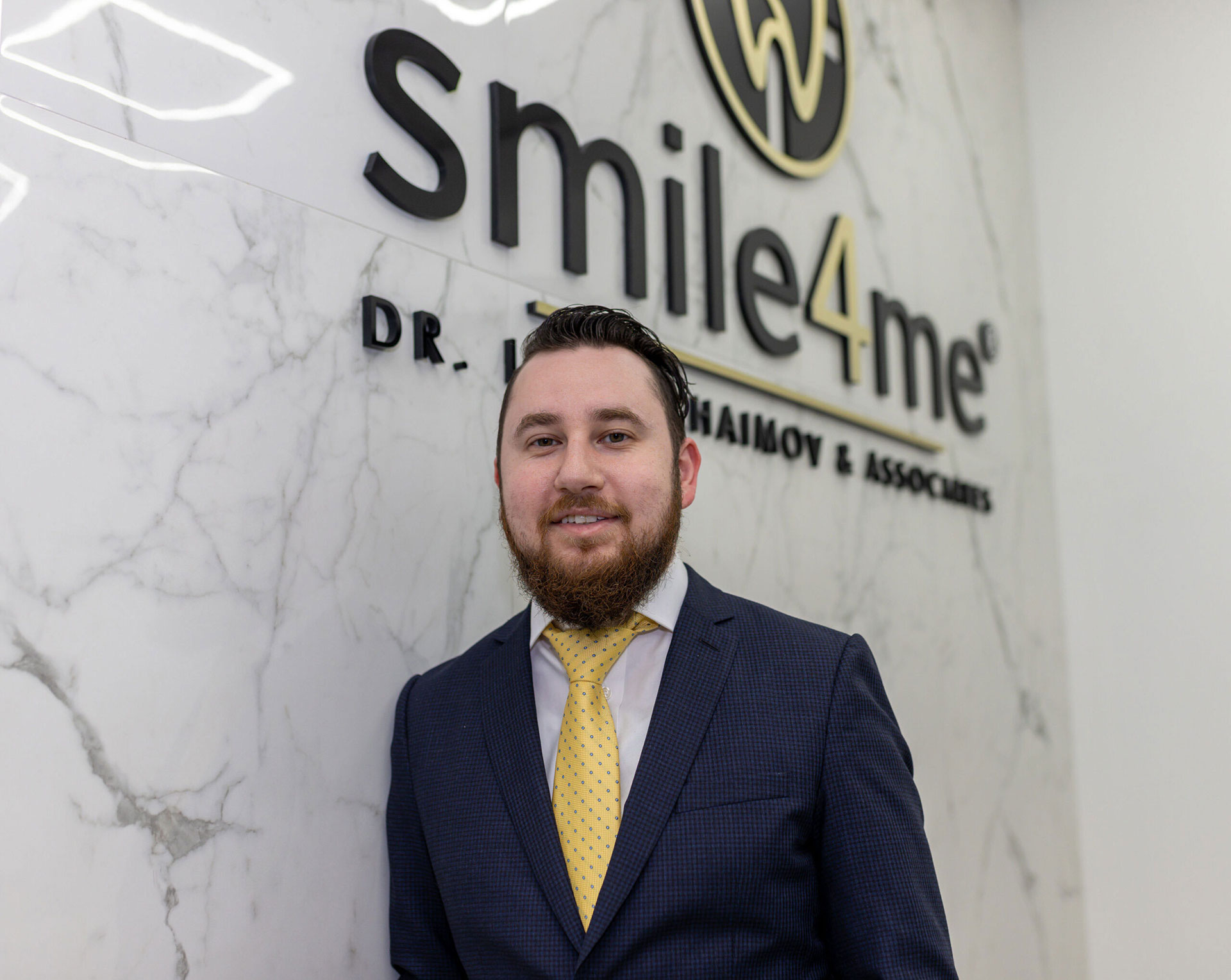
Dr. Iosif Khaimov graduated from New York University College of Dentistry in 2019 and has more than seven years of hands-on patient care across multiple New York City practices. His Invisalign treatment planning starts with digital scans and a full exam, because gum disease or an untreated cavity needs attention before any tooth starts moving. Patients who need a crown, whitening, or veneers alongside alignment have it all planned in one sequence rather than split between offices.
Aligner treatment also runs long enough that something unrelated usually comes up, which is why the same dentist in Astoria handling your alignment is also the emergency dentist in Astoria you call when a tooth cracks. Urgent problems get scheduled right away, so a broken tooth or sudden pain mid-treatment doesn't derail your timeline.
Ready to Find Out If You're a Candidate?
A consultation is the fastest way to learn whether clear aligners will work for your teeth and how long treatment would take. Book an Appointment online, or call (718) 400-4400 to speak with our team about scans, timelines, and 0% financing options.
FAQs About Invisalign by an Orthodontist vs. a Dentist
Can dentists do Invisalign without being orthodontists?
Yes. Invisalign certification is open to any licensed general dentist, and no orthodontic residency is required to become a provider. Aligner therapy falls inside the scope of general dentistry in New York.
Do all dentists offer Invisalign?
No. Offering clear aligners is a choice each practice makes, and plenty of general dentists never pursue certification. Research on orthodontic care in general practice found that 52% of general dentists provide some form of orthodontic treatment, and 45% of those use clear aligners. Always confirm a practice is a certified provider before booking a consultation.
Is Invisalign from a dentist less effective?
Not for the majority of cases. The aligners themselves are identical no matter who prescribes them, so results depend on the quality of the treatment plan and how consistently you wear the trays. Aim for at least 20 to 22 hours per day.
How do I know if my dentist is a good Invisalign provider?
Ask how many aligner cases the practice has completed, request before-and-after photos of similar cases, and ask who reviews your scans. A provider who can walk you through your digital treatment plan on screen is a good sign.