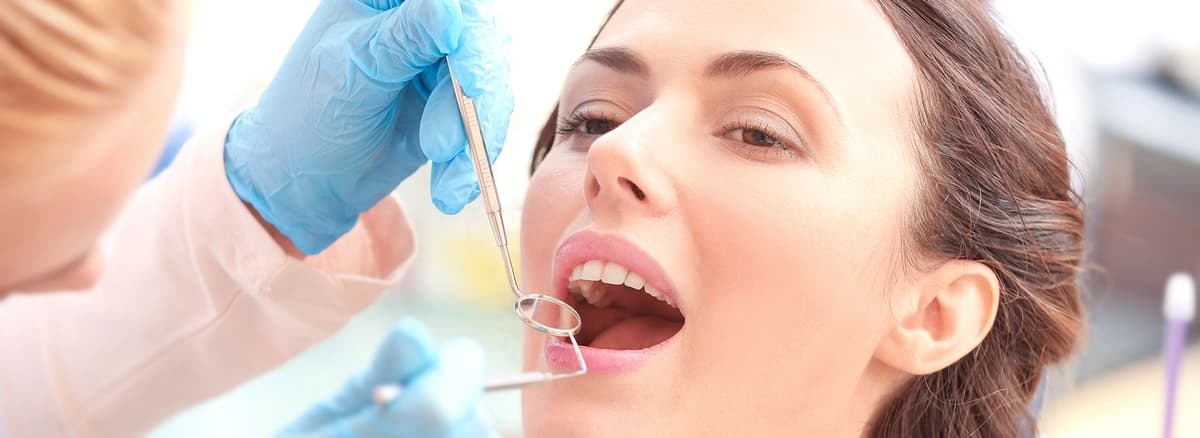
Whether you're dealing with a severe toothache at midnight, a knocked-out tooth after an accident, or a broken crown before an important event, the team at Smile4Me Dental Care is here to help.
As an emergency dentist in Astoria, Queens, we're here to see you immediately. Call us now at (718) 400-4400.
Common Dental Emergencies We Treat in Astoria
At Smile4Me Dental Care, we understand that dental emergencies can arise out of nowhere and never happen at a convenient time. That's why we offer fast, effective care for a wide range of urgent dental issues, including:
Severe Toothache
A toothache intense enough to disrupt sleep, eating, or daily activity is not something to push through. Severe tooth pain is often a sign of infection, a cracked tooth, or an exposed nerve, all of which require prompt treatment. Call our emergency dentist in Astoria right away so we can diagnose the source and relieve your pain the same day.
Knocked-Out Tooth
Time is everything when it comes to a knocked-out tooth. Pick it up by the crown, never the root, rinse it gently without scrubbing, and try to place it back in the socket or store it in milk. Then call us immediately at (718) 400-4400. Teeth replanted within 30–60 minutes have the best chance of being saved.
Cracked or Broken Tooth
A cracked or broken tooth can range from a minor chip to a fracture that exposes the inner pulp. Even cracks that don't hurt immediately can worsen quickly with chewing pressure or temperature changes. We'll assess the damage and determine whether bonding, a crown, or another treatment is the right fix.
Dental Abscess
An abscess is a bacterial infection that forms at the root of a tooth or in the gum tissue. Signs include throbbing pain, swelling, a bad taste in your mouth, or a visible bump on the gum. This is a true emergency; dental infections can spread to the jaw, neck, and beyond if not treated promptly. Don't wait on this one.
Lost or Broken Crown or Filling
When a crown falls off or a filling breaks, the exposed tooth is vulnerable to pain, sensitivity, and further damage. We stock same-day restorations for most cases, so your tooth can be protected in a single visit.
Broken or Displaced Dentures or Dental Appliances
A broken denture, a loose implant, or a dislodged bridge affects both your ability to eat and your confidence. We can evaluate and repair or replace damaged appliances quickly so you're not left without a solution.
Swollen Jaw or Face
Facial swelling alongside tooth pain almost always signals infection. This is a medical and dental emergency; call us at (718) 400-4400 immediately or go to the nearest emergency room if the swelling is severe or spreading rapidly.
Soft Tissue Injuries
Cuts, lacerations, or puncture wounds to the tongue, cheeks, lips, or gums should be cleaned and evaluated promptly. Apply gentle pressure with a clean cloth on the way to our office.
We're the Go-to Emergency Dentist Astoria Residents Trust
At Smile4Me Dental Care, we're proud to be the dentist in Astoria that families turn to for urgent dental care. We're equipped with the tools, experience, and compassion to handle your case on the spot. From your first call to your final treatment, we focus on getting you out of pain and back to smiling as quickly and comfortably as possible.
About Our Dentist in Astoria
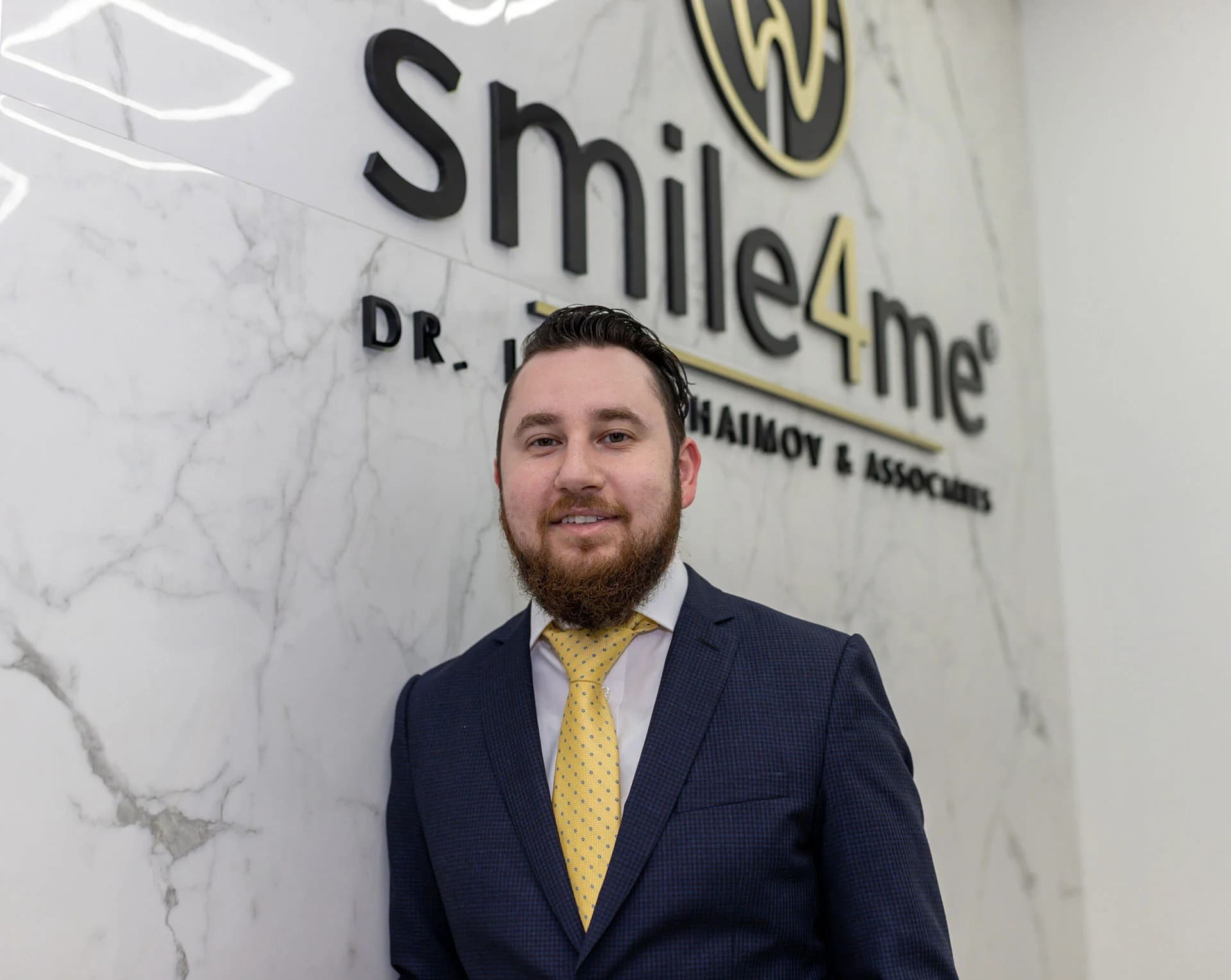
Dr. Iosif Khaimov is a graduate of NYU's College of Dentistry with over seven years of hands-on patient care experience across NYC dental practices. He founded Smile4Me to bring personalized, technology-driven dentistry to the Astoria community, with a focus on emergency and cosmetic dentistry, dental implants, Invisalign, and general care. Dr. Khaimov regularly attends continuing education courses and dental conferences to stay current on the latest techniques, so every oral exam reflects the most up-to-date standards of care.
Patient Experiences
Our patients say it best. Read what Astoria locals have experienced firsthand with our emergency dental care team at Smile4Me.
“The staff and doctors are very professional and they are very knowledgeable about what they do, I would recommend them to anyone who is looking for a professional dentistry specialist.”
“The staff was friendly, the office was very, very clean (That’s very important for me) The dentist made me feel comfortable throughout my visit. Everyone was professional and caring. I highly recommend this clinic.”
“Very professional, reasonable prices. Definitely will consider to visit there whenever I needed”
Why Choose Smile4Me for Emergency Dental Care in Astoria?
- Same-day appointments for urgent cases
- Flexible financing with up to 2 years, no interest
- Comprehensive in-house care
- Advanced technology for faster, more accurate diagnosis and treatment
- A caring, experienced team led by Dr. Iosif Khaimov
- Welcoming new patients; you don't need to be an existing patient to be seen for an emergency
If you are experiencing a dental emergency in Astoria, NY, please contact us today. We are here to help you get back to feeling your best.
Walk-In Now or Book an Appointment!
Pain and dental trauma get worse the longer they go untreated. Smile4Me Dental Care is here to see you the same day. Call (718) 400-4400 or book an appointment online and let our team take it from there.
We're located at 31-57 Steinway St, Astoria, Queens, NY 11103.