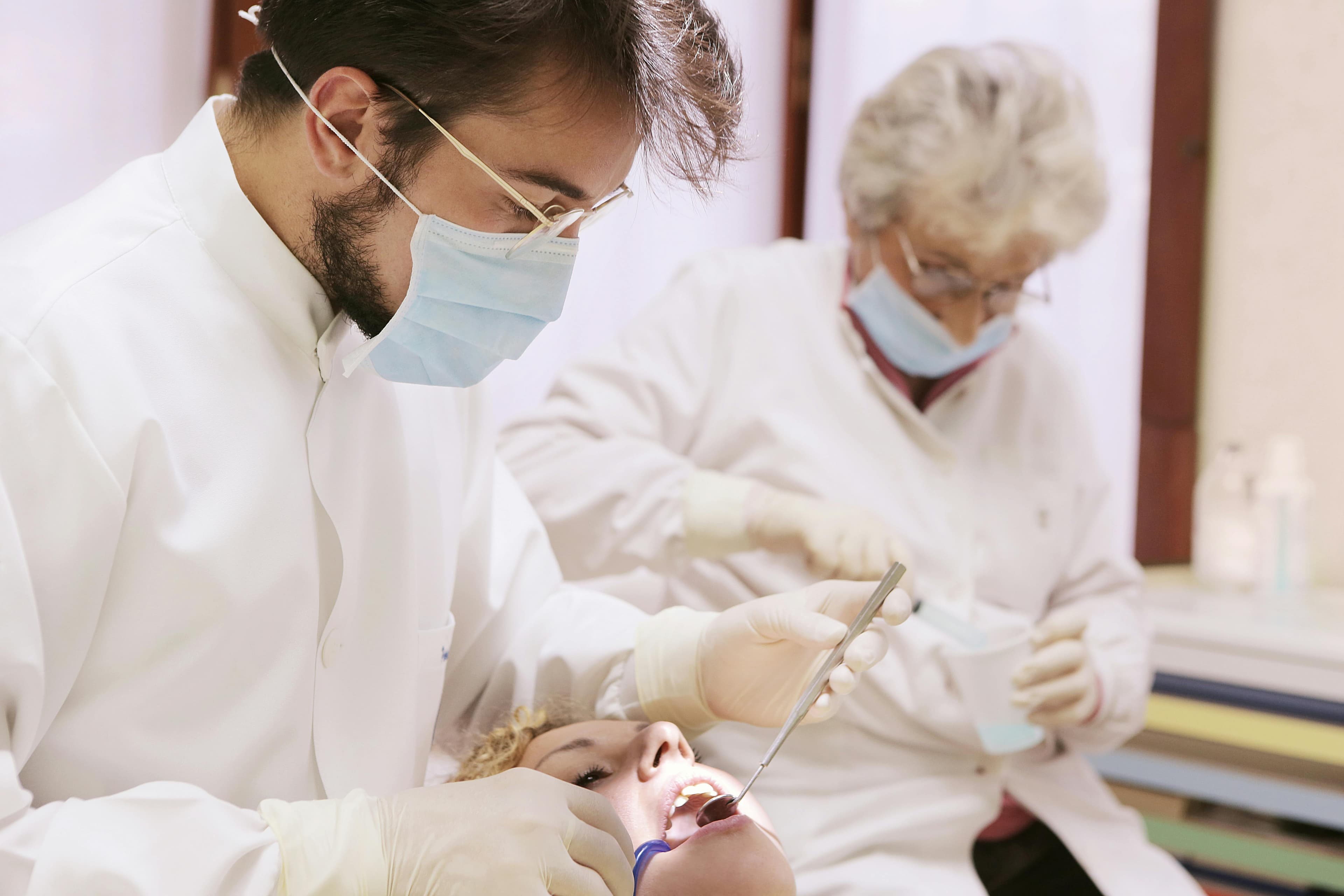
Dental emergency tips help you save teeth during urgent oral health crises. The most critical actions include managing pain immediately, storing knocked-out teeth in milk, and contacting an emergency dentist within 30 minutes.
Dental emergencies can occur during sports, in accidents, or when existing problems worsen. Many people feel confused about which symptoms need immediate care. Quick action and proper first aid make the difference between saving and losing a tooth.
Professional treatment within the first hour offers the best chance for success. This guide covers essential steps, prevention methods, and warning signs that require immediate attention.
Key Takeaways: Dental Emergency Tips
These essential dental emergency care tips provide crucial guidance for protecting your oral health during urgent situations:
Stay calm during emergencies and take immediate action to preserve teeth until professional help becomes available
Severe pain, swelling, trauma, and bleeding always require emergency dental attention to prevent serious complications
Prevention through good hygiene, regular checkups, and protection significantly reduces your risk of experiencing dental emergencies.
A quick response within 30 minutes is crucial for saving knocked-out teeth and preventing permanent damage to your smile.
Professional emergency care from experienced providers like Dr. Khaimov ensures comprehensive treatment and optimal long-term outcomes for your oral health.
When Do You Need an Emergency Dentist?
Specific symptoms always require immediate professional care. Recognizing these warning signs helps you act quickly.
Severe pain that over-the-counter medications cannot control signals a serious issue. This intense discomfort often means infection, deep decay, or nerve damage has occurred.
Mouth trauma from accidents, sports injuries, or falls always needs emergency attention. Hidden internal damage can occur even when no obvious injury is visible.
Heavy bleeding from gums or mouth tissue requires immediate care. Uncontrolled bleeding suggests significant injury or advanced infection.
Facial swelling in the jaw, cheeks, or gums indicates a serious infection. This symptom needs urgent treatment to prevent dangerous complications.
These tips to deal with a dental emergency begin with early recognition. Prompt response prevents minor problems from becoming major crises.
Steps to Follow in a Dental Emergency
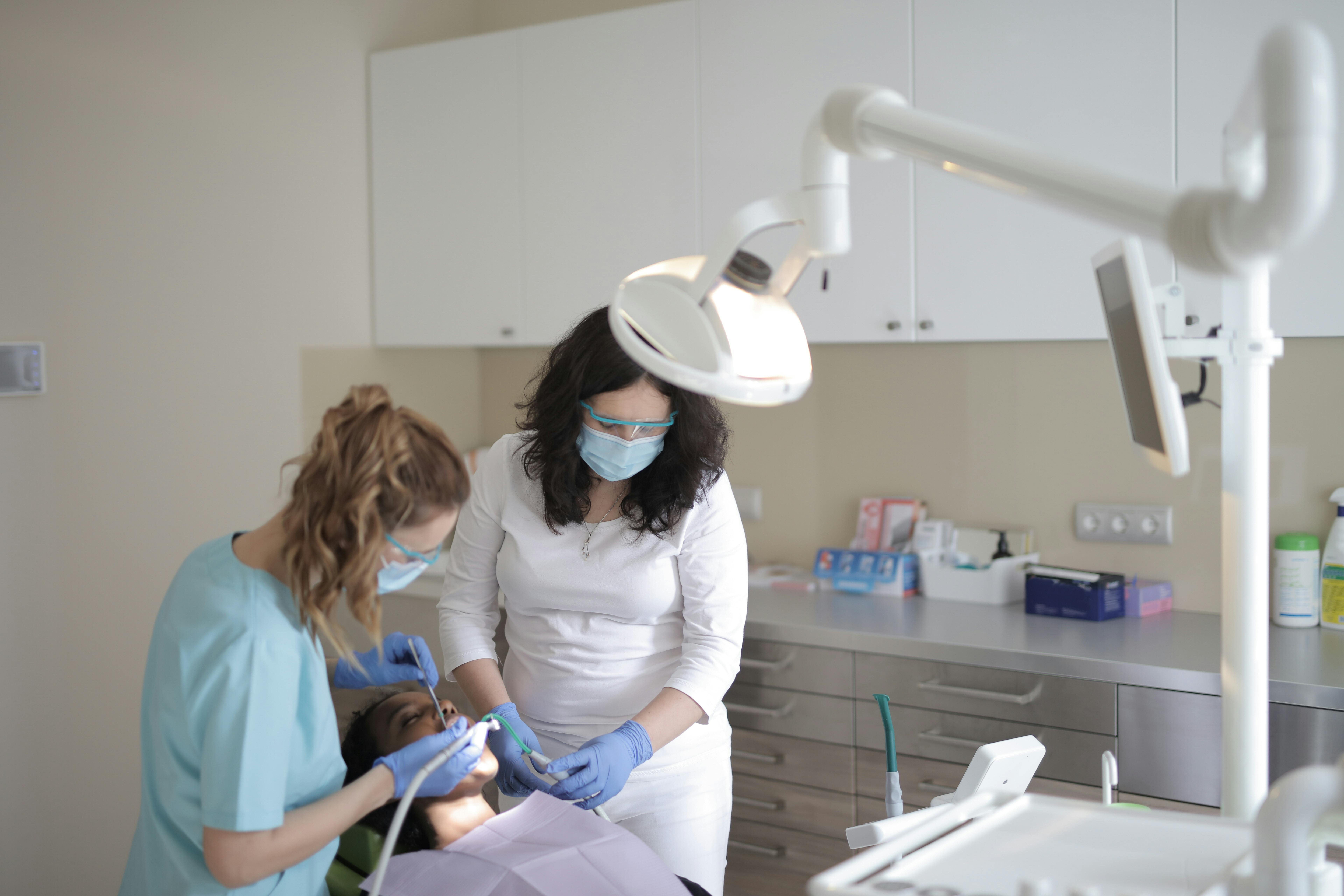
Proper immediate care during a crisis can save your teeth. These emergency dental care tips provide effective responses for urgent situations.
For knocked-out teeth:
Handle: Touch only the crown, avoid the root
Rinse: Clean gently with water if dirty
Reinsert: Try placing the tooth back in its socket
Store: Use milk or saliva if you cannot reinsert
Seek care: Contact your dentist within 30 minutes
For severe toothache:
Rinse: Use warm salt water to clean the area
Floss: Remove any trapped food carefully
Compress: Apply a cold pack to the outside of the cheek
Medicate: Take pain relievers as directed on package
Contact: Call your emergency dentist right away
For chipped or broken teeth:
Save any tooth pieces you can find. Rinse your mouth with warm water. Press gauze on bleeding areas. Use a cold compress to reduce swelling. Avoid chewing on the damaged side.
For lost fillings or crowns:
Keep the restoration if you find it. Do not chew on that side. Temporary dental cement from the pharmacy provides short-term protection. Professional replacement is essential for long-term health.
RELATED: What to Do in a Dental Emergency
Common Dental Emergencies Explained
Different emergency types require specific approaches and have varying levels of urgency. Understanding these differences helps you respond correctly.
Abscessed teeth are serious emergencies that can spread dangerous infections. Warning signs include severe pain, facial swelling, fever, and a bitter taste in your mouth. These conditions always require immediate professional attention.
Fractured or cracked teeth range from small chips to complete breaks. Large fractures that expose inner tooth structures need immediate care. Quick treatment prevents infection and saves remaining tooth material.
Soft-tissue injuries to the lips, cheeks, tongue, or gums occur during accidents. Deep cuts may need stitches to prevent infection and scarring. Minor wounds often heal naturally with basic first aid.
Objects stuck between teeth might seem minor, but they can cause serious damage. Wrong removal attempts can injure gums or push objects deeper. Never use sharp tools to try to remove stuck items.
For severe cases, knowing when to visit the ER helps you make smart decisions about care.
How to Prevent Dental Emergencies
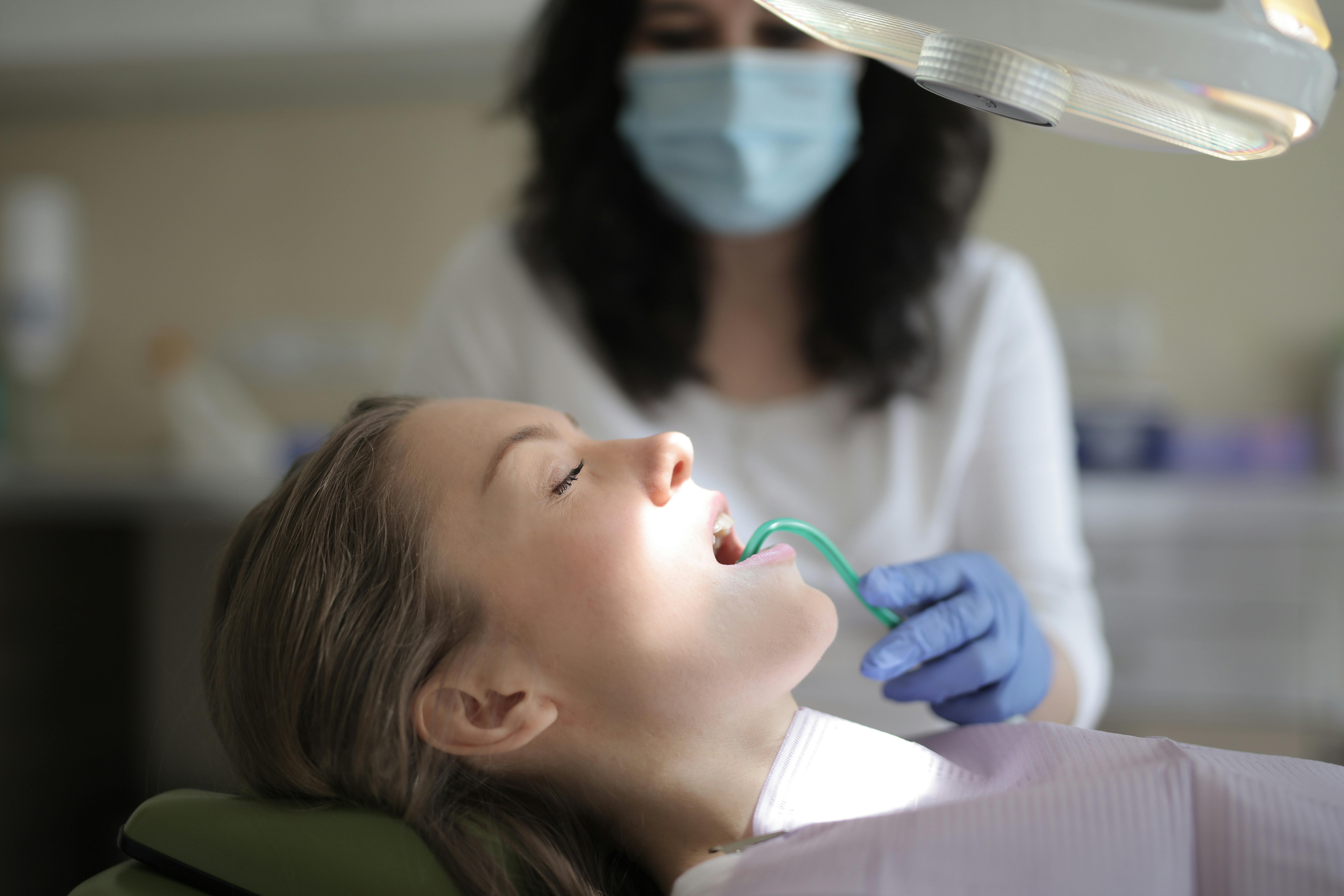
Prevention is the best way to avoid dental crises completely. These dental emergency prevention tips significantly lower your risk of urgent problems.
Maintain excellent daily cleaning habits through proper brushing and flossing techniques. Regular cleaning removes harmful bacteria and food particles that cause decay. Use fluoride toothpaste and antibacterial mouthwash for extra protection.
Schedule regular dental checkups every six months for professional cleanings and examinations. Professional care finds small problems early before they become painful emergencies.
Protect your teeth during sports with properly fitted mouthguards from your dentist. These protective devices absorb impact that could otherwise crack or knock out healthy teeth.
Avoid harmful daily habits like chewing ice cubes, opening packages with your teeth, or grinding your teeth at night. These behaviors significantly increase your risk of tooth fractures.
Address small problems quickly when they first develop. Small cavities and minor chips are easy to treat when caught early. Ignored issues often turn into serious emergencies that require extensive treatment.
Smile4Me Dental Care: Your Emergency Partner in Astoria
At Smile4Me Dental Care in Astoria, emergency dentistry is centered on speed, comfort, and long-term protection of your oral health. When patients arrive in pain or after trauma, the focus is on immediate relief, accurate diagnosis, and clear next steps so nothing is left uncertain.
As a dentist in Astoria, our emergency approach includes:
Same-Day Urgent Appointments: We prioritize patients experiencing severe pain, swelling, or dental trauma. Fast access to care improves the chances of saving natural teeth and preventing infection.
Comprehensive On-Site Treatment: From extractions and root canals to repairing broken or knocked-out teeth, treatment is handled promptly and efficiently. Advanced imaging allows for precise evaluation during your visit.
Compassionate, Calm Environment: Dental emergencies are stressful, especially when pain is involved. Our team provides clear explanations and comfort-focused care to help you feel at ease during treatment.
Under the leadership of Dr. Khaimov, care is both thorough and patient-focused. The goal is not only to fix the immediate issue, but to protect your smile for the long term.
Final Thoughts on Dental Emergency Care Tips
Dental emergencies can happen without warning, but knowing how to respond makes a significant difference. Acting within the first 30 minutes, recognizing serious warning signs, and seeking professional treatment quickly can save teeth and prevent dangerous complications.
If you’re experiencing pain, swelling, or dental trauma, don’t wait. Contact Smile4Me Dental Care today to book an appointment and get the care you need right away.