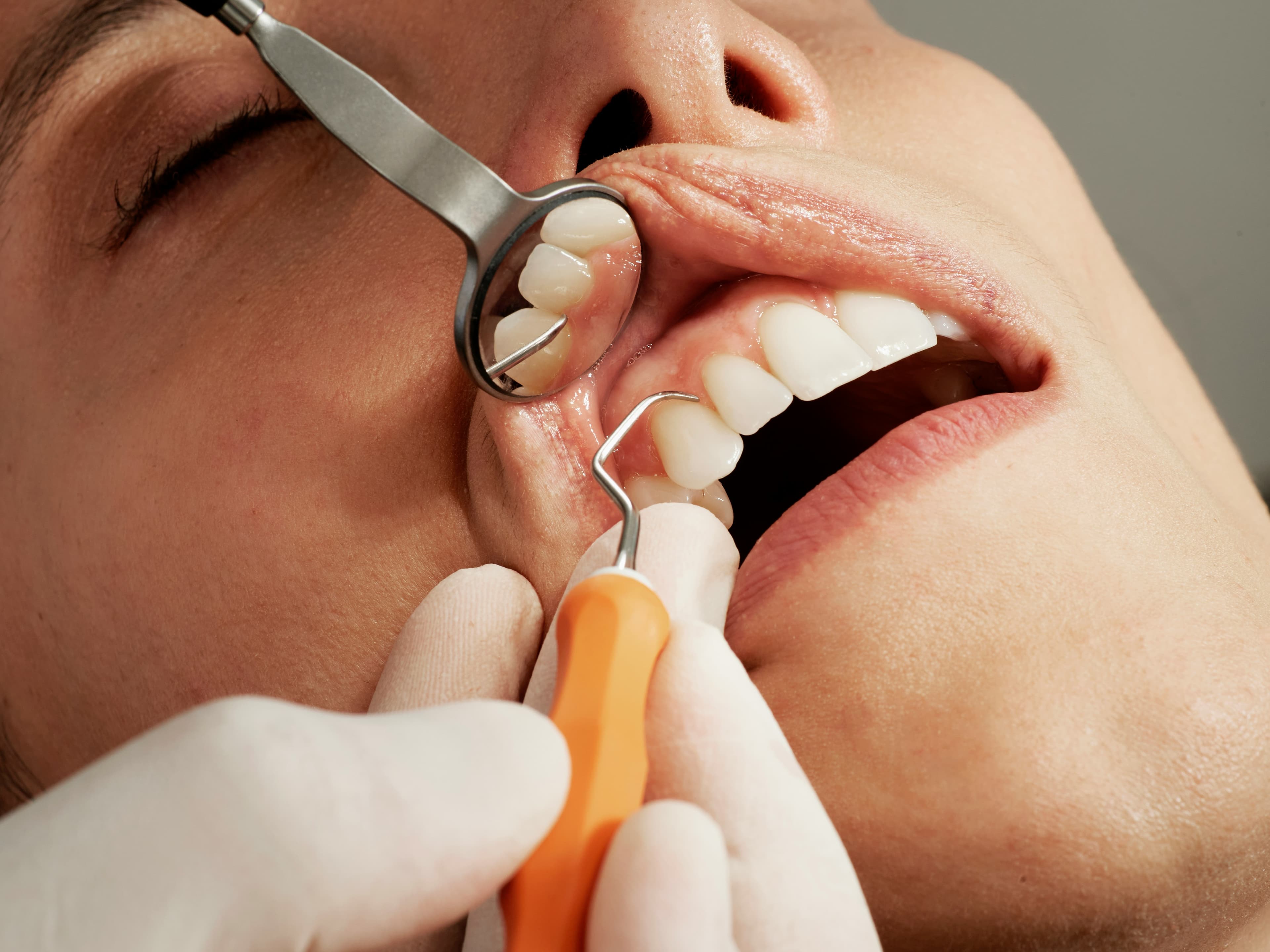
If you're considering dental implants, one of the first questions you'll ask is: how long does this actually take? The honest answer is that it depends, but most patients complete the process in three to six months, with some cases extending to twelve months or more when preparatory procedures are needed.
Understanding each stage of the dental implant timeline before you begin helps you plan ahead, set realistic expectations, and feel genuinely confident as you walk into your first appointment. Dr. Iosif Khaimov at Smile4Me Dental Care has guided many patients through this process right here on Steinway St in Astoria, and this guide walks you through exactly what to expect.
Are You a Candidate? It Starts with a Consultation
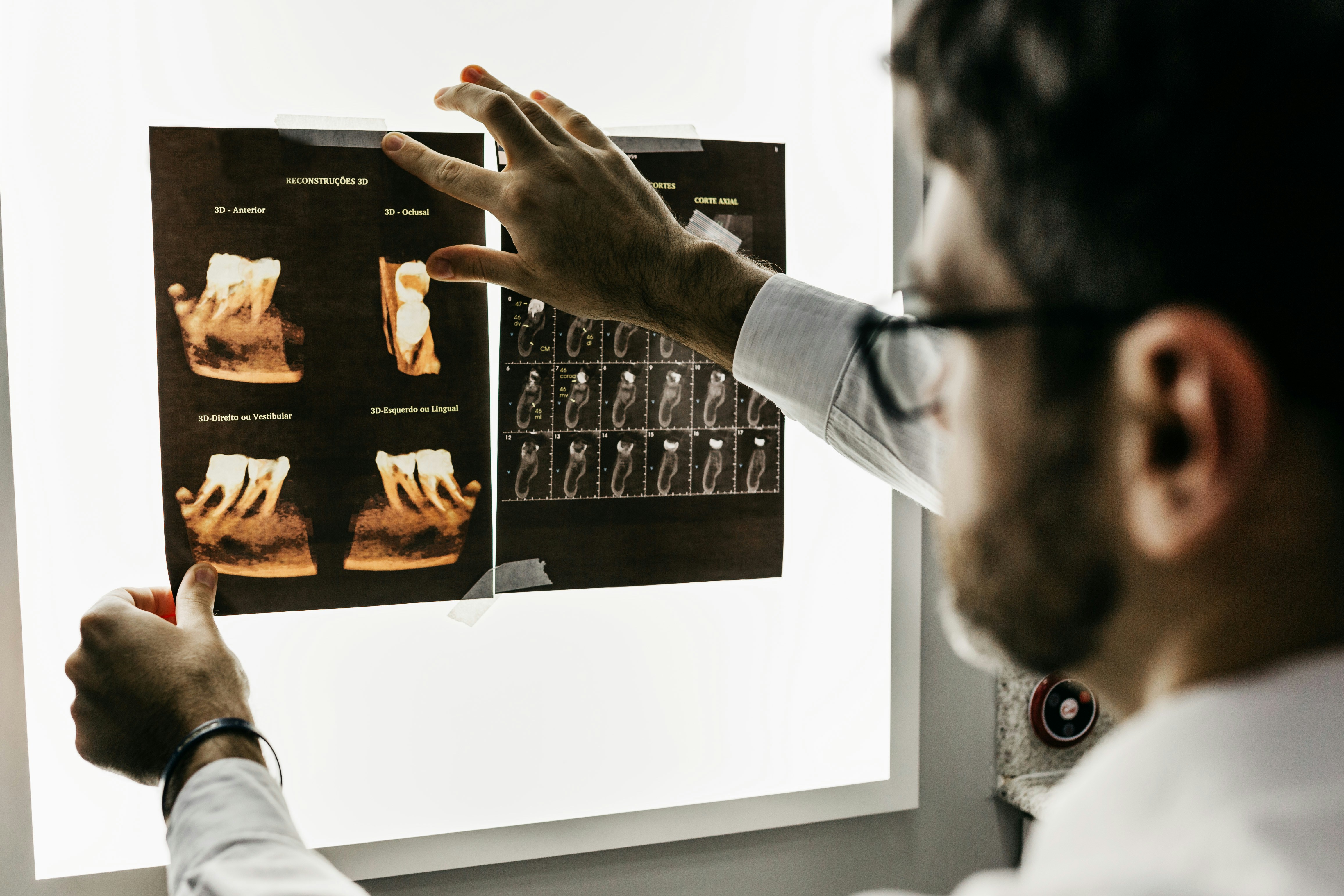
The first step in the dental implant timeline is a comprehensive consultation. Dr. Khaimov evaluates your oral health, reviews your medical history, and takes advanced digital imaging, including 3D scans, to assess your jawbone density and gum tissue condition.
This appointment determines whether you're ready to proceed with implant placement or if a preparatory procedure is needed first. Factors that affect candidacy include:
Active Gum Disease or Decay: Any existing infection must be treated before implant surgery can proceed safely.
Jawbone Density: Sufficient bone mass is required to support the implant post. If bone loss has occurred, a bone graft may be recommended.
Overall Health: Conditions such as uncontrolled diabetes or immune disorders can affect healing, and your dentist will take them into account.
Lifestyle Factors: Smoking significantly interferes with osseointegration and increases the risk of implant failure.
Most patients who've lost a tooth, whether due to decay, injury, or extraction, are strong candidates. If you're unsure whether you qualify, the consultation is the place to find out.
Step-by-Step Dental Implant Process Timeline
Here's a clear, stage-by-stage look at how the dental implant process unfolds.
1. Bone Grafting (If Needed): 3–9 Months
Not every patient requires this step, but it's worth understanding. When a tooth has been missing for an extended period, the surrounding jawbone begins to deteriorate due to a lack of stimulation. If the bone no longer has sufficient volume or density to securely anchor an implant, a bone graft is performed first.
During grafting, your dentist places bone material into the deficient area to encourage new bone growth. This stage requires three to nine months of healing before the implant can be placed.
2. Implant Post Placement: Day of Surgery
Once you're cleared for surgery, the implant placement appointment typically takes one to two hours, depending on how many implants are being placed. With the area fully numbed, Dr. Khaimov makes a small incision in the gum and carefully places a titanium post directly into the jawbone.
Most patients are surprised by how manageable this step is. Discomfort is typically controlled with over-the-counter medication, and patients generally return to light daily activity within a few days.
For patients who qualify, this is also where same-day dental implants come into play; in select cases, a temporary crown is placed at the same appointment, so you leave with a functional tooth that day.
3. Osseointegration (Healing and Fusion): 3–6 Months
This is the most important and time-consuming phase of the dental implant process. Osseointegration is the biological process by which the titanium post fuses with the surrounding jawbone, creating a stable, load-bearing foundation for the final restoration.
This isn't surface healing; it happens at a microscopic level as bone cells grow directly around the implant. The process typically takes three to six months and is what gives implants their exceptional durability and natural feel.
4. Abutment Placement: 2–4 Weeks Additional Healing
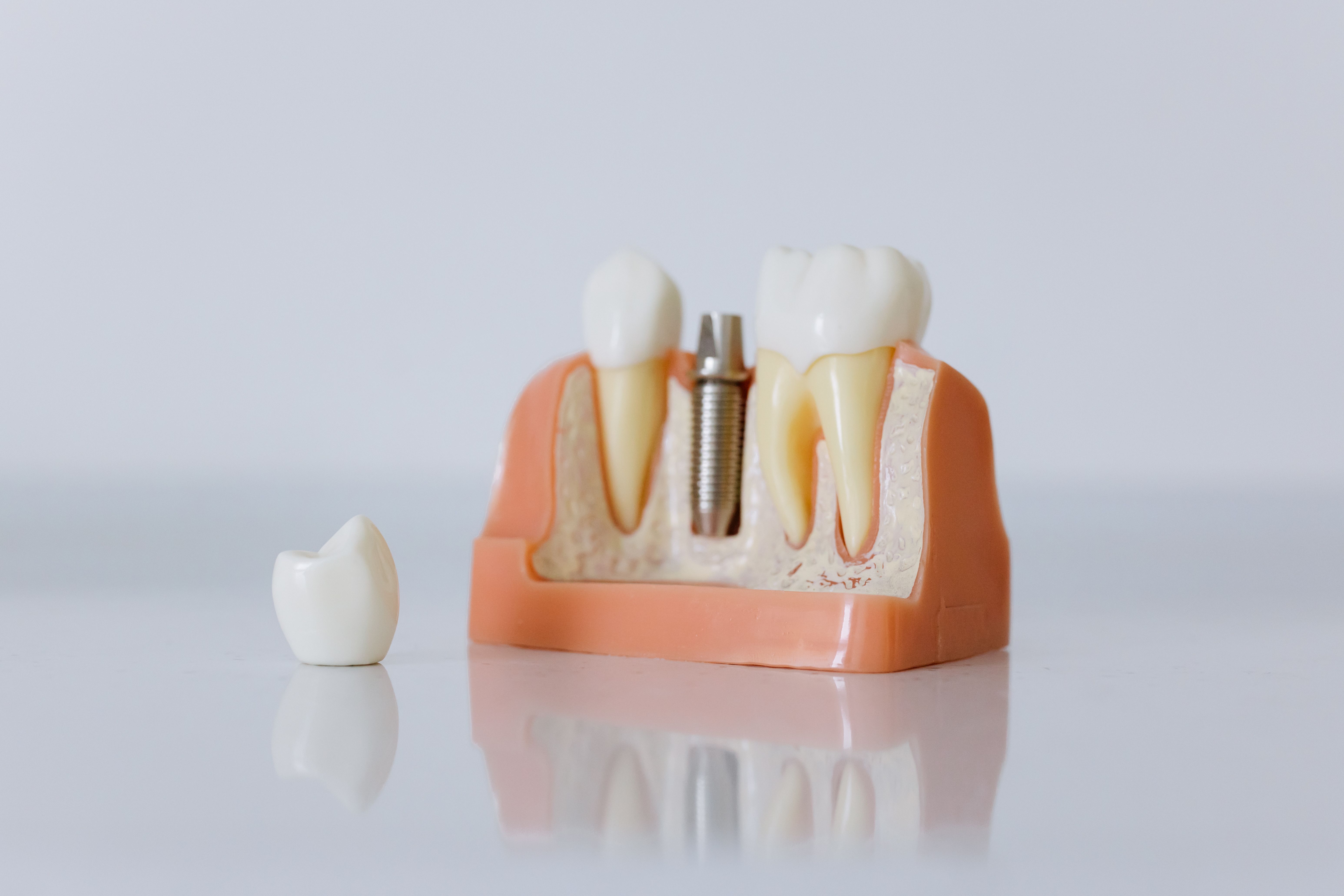
After osseointegration is confirmed, a small connector piece, called an abutment, is attached to the top of the implant post. This is a minor procedure. The abutment serves as the connecting point between the implant and your final crown or restoration.
A short healing period of two to four weeks follows, during which the gum tissue settles around the abutment.
5. Final Crown or Restoration Placement
Once the abutment has healed, impressions are taken and sent to a dental laboratory where your custom restoration is fabricated to match the shape, size, and color of your natural teeth. When it's ready, Dr. Khaimov attaches the permanent crown, bridge, or full arch prosthetic, completing your new smile.
What Affects Your Dental Implant Timeline?
Several factors can either speed up or extend the process:
Bone Health: Patients with dense, healthy jawbones move through the timeline faster. Prior tooth loss, gum disease, or smoking accelerates bone deterioration and often necessitates grafting.
Number of Implants: A single tooth implant follows a simpler path than a full-arch restoration.
Healing Rate: Osseointegration timelines vary from individual to individual. Age, nutrition, and overall health all influence how quickly the bone integrates.
Pre-Existing Conditions: Gum disease, unresolved decay, or certain systemic conditions need to be addressed before implant work begins.
Smoking: Nicotine constricts blood flow and directly interferes with osseointegration, extending healing time and increasing failure risk.
Are Dental Implants Worth the Wait?
For most patients, yes, and significantly so. Implants are the only tooth replacement option that addresses both the visible tooth and the root beneath the gumline. Unlike bridges or dentures, they stimulate the jawbone, preserve facial structure, and are built to last decades with proper care.
Patients who've been on the fence about the timeline often find that three to six months pass quickly, especially when the result is a permanent, natural-feeling tooth they don't have to think about. For most, the bigger question isn't the timeline; it's whether dental implants are worth the investment.
How Smile4Me Dental Care Guides You Through Every Stage

At Smile4Me Dental Care, patients aren't handed a treatment plan and left to figure it out. Dr. Iosif Khaimov, a New York University College of Dentistry graduate with over seven years of hands-on experience, oversees every stage of the implant process from initial imaging through final crown placement. All procedures are handled in-house on Steinway St in Astoria, which means no referrals, no coordination between separate offices, and no delays.
For patients who are concerned about cost, Smile4Me offers flexible financing with up to 2 years of no interest, making implants accessible without requiring you to pay everything up front. Whether you're replacing a single tooth or your entire smile, we offer a full range of implant solutions under one roof:
All-on-4 Implants: A full-arch restoration supported by four strategically placed implants, designed to work with existing bone and deliver permanent teeth in a single procedure.
All-on-6 Implants: Similar to All-on-4 but with two additional implants for patients who benefit from extra support and stability across the arch.
Full Mouth Reconstruction: For patients with extensive tooth loss or damage, a comprehensive treatment plan combining implants with other restorative procedures to rebuild the entire smile.
Recognized as a trusted dentist in Astoria, Smile4Me serves patients from across Queens and the surrounding boroughs who want care that's thorough, transparent, and delivered close to home.
If you ever experience sudden dental pain or a tooth issue that can't wait, our team is also available as an emergency dentist in Astoria, so you're supported at every stage, not just during planned treatment.
Start Your Dental Implant Journey at Smile4Me Dental Care in Astoria
Ready to take the first step? The dental implant process is more straightforward than most patients expect, and with the right team guiding you through it, every stage feels manageable. At Smile4Me Dental Care, Dr. Khaimov and his team are with you from your first consultation to your final crown, with all procedures handled in-house on Steinway St in Astoria.
Book an appointment today or call us at (718) 400-4400 to find out where you stand and what your personal timeline looks like.
FAQs About the Dental Implant Process Timeline
How long does the dental implant process take from start to finish?
Most patients finish in three to six months without bone grafting. With grafting, the total timeline ranges from 9 to 16 months. Your consultation will confirm a more precise estimate.
Is there a way to speed up the dental implant timeline?
Same-day implants allow a temporary crown to be placed at the time of surgery for qualifying patients. That said, osseointegration still takes several months; the best way to stay on track is to maintain good oral health and follow post-surgical care instructions.
Does getting a bone graft always extend the timeline?
Yes. Grafting adds three to nine months, depending on how much bone volume needs to be restored. Patients with healthy, dense jawbones can skip this step entirely.
How painful is the dental implant process?
The placement is done under local anesthesia, so patients feel pressure but not pain. Post-surgical discomfort is typically mild and resolves within a few days with over-the-counter medication.
Can I get dental implants if I've had bone loss?
In many cases, yes, a bone graft may be needed first. Dr. Khaimov uses advanced 3D imaging during your consultation to assess your bone structure and determine the right approach.