If you're weighing a dental implant vs bridge, the short answer is this: implants last longer and protect your jawbone, while bridges cost less upfront and work faster for patients who aren't candidates for surgery. The right choice depends on your budget, your bone health, and how long you want the results to last. Both dental implants and bridges replace missing teeth, but they work in very different ways. In this blog, we break down how each option works, what they cost, and which one tends to make sense for different patients.
What Is a Dental Bridge?
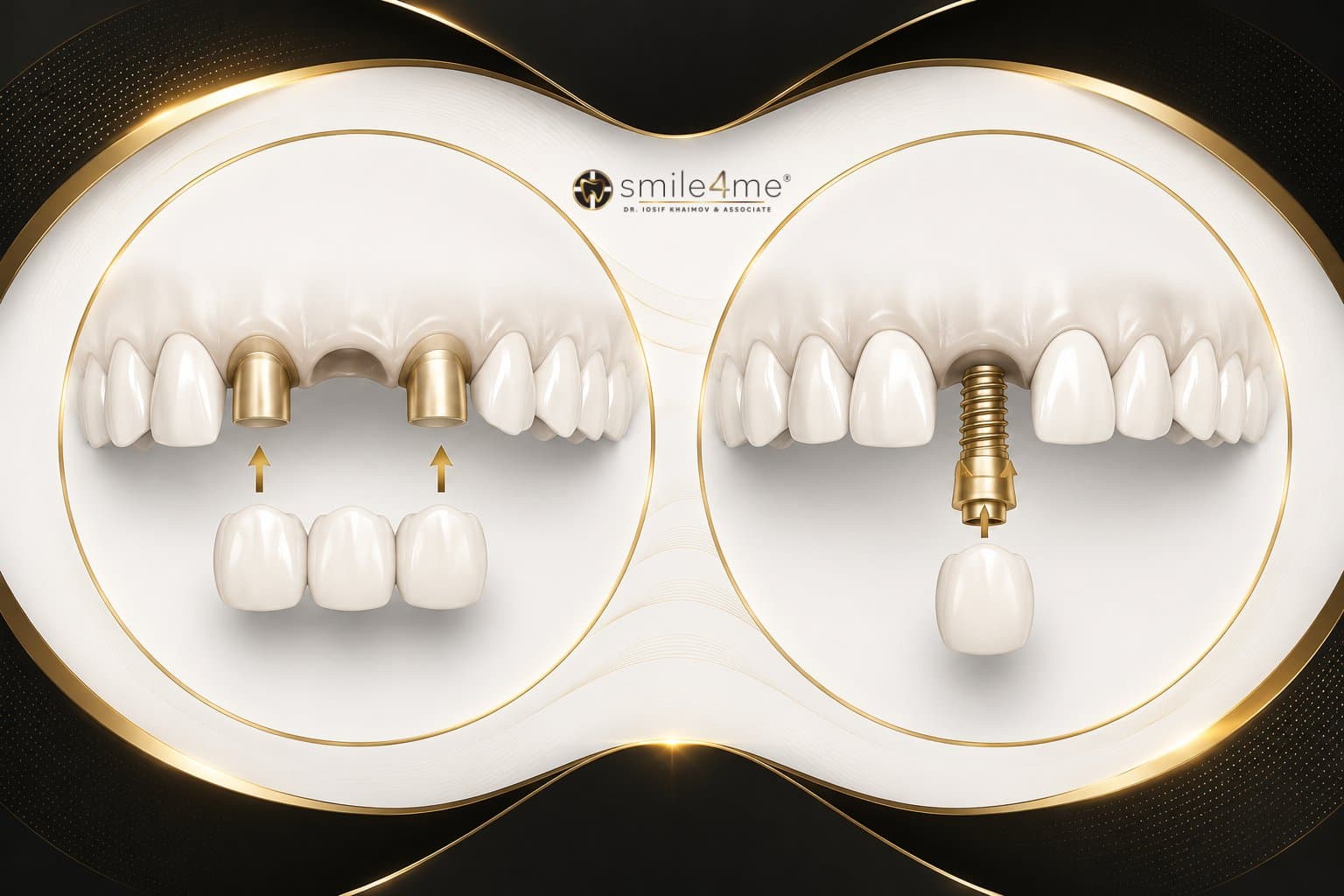
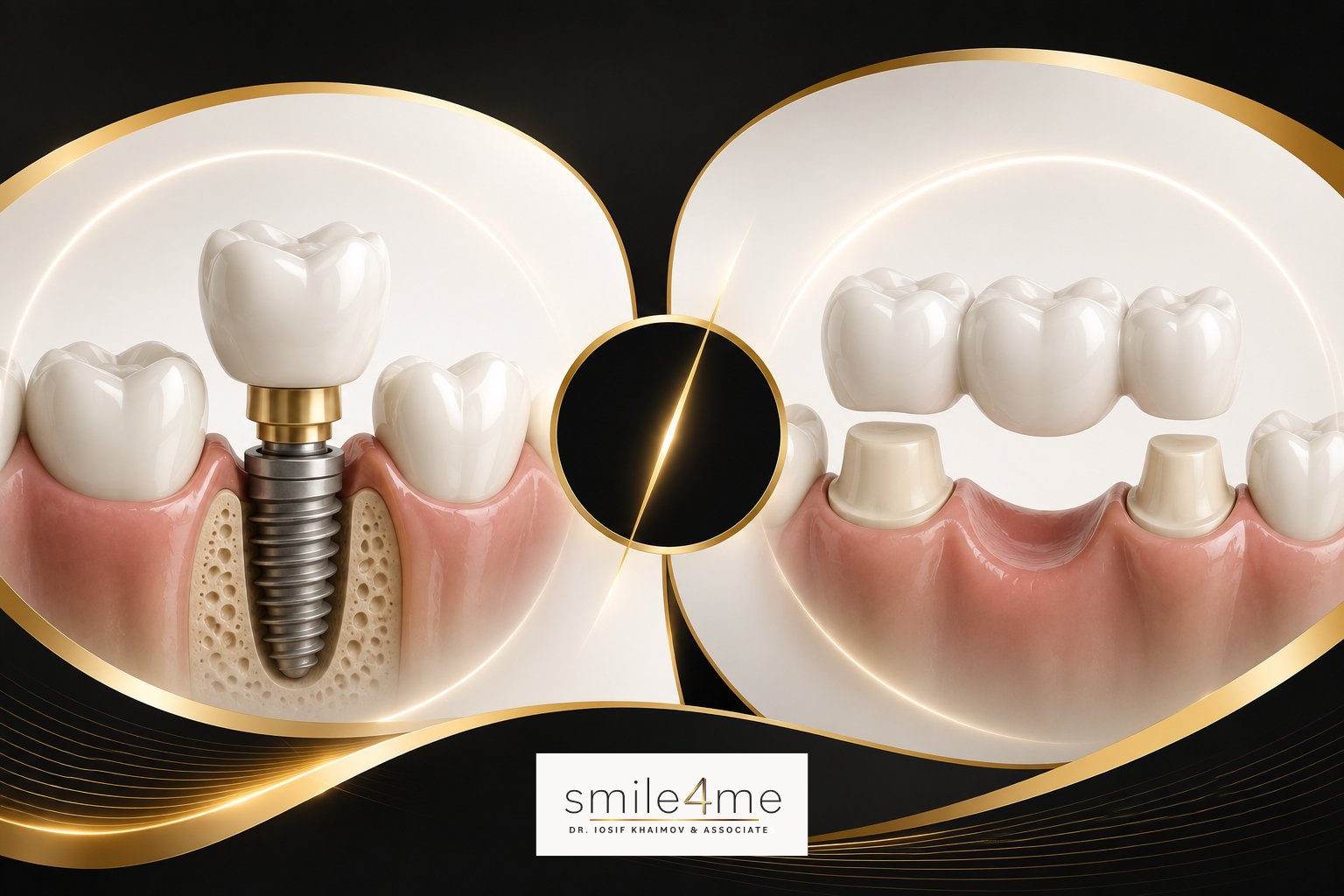
A dental bridge fills the gap left by a missing tooth using a false tooth, called a pontic, held in place by the teeth on either side of the gap. Those neighboring teeth, known as abutment teeth, are shaved down so crowns can be placed over them to anchor the bridge.
Fixed bridges: The most common type, cemented permanently onto the abutment teeth.
Implant-supported bridges: Anchored to implants instead of natural teeth, used when several teeth in a row are missing.
Faster timeline: A traditional bridge is often completed in two to three visits over a few weeks.
Bridges don't require surgery, which makes them appealing to patients who want a quicker fix or who have health conditions that make oral surgery riskier.
What Is a Dental Implant?
A dental implant replaces the entire tooth, including the root. A titanium post is placed directly into the jawbone, and once it fuses with the bone through a process called osseointegration, a crown is attached.
Single implants: Replace one missing tooth without touching neighboring teeth.
All-on-4 and All-on-6 implants: Replace a full arch of teeth using four or six strategically placed implants.
Same-day implants (teeth in a day): Replace a temporary crown on the implant post the same day as surgery; you leave with a functional tooth while the permanent crown is prepared.
Because implants replace the root, they help preserve the jawbone underneath, which bridges cannot do.
Dental Implant vs Bridge: Key Differences
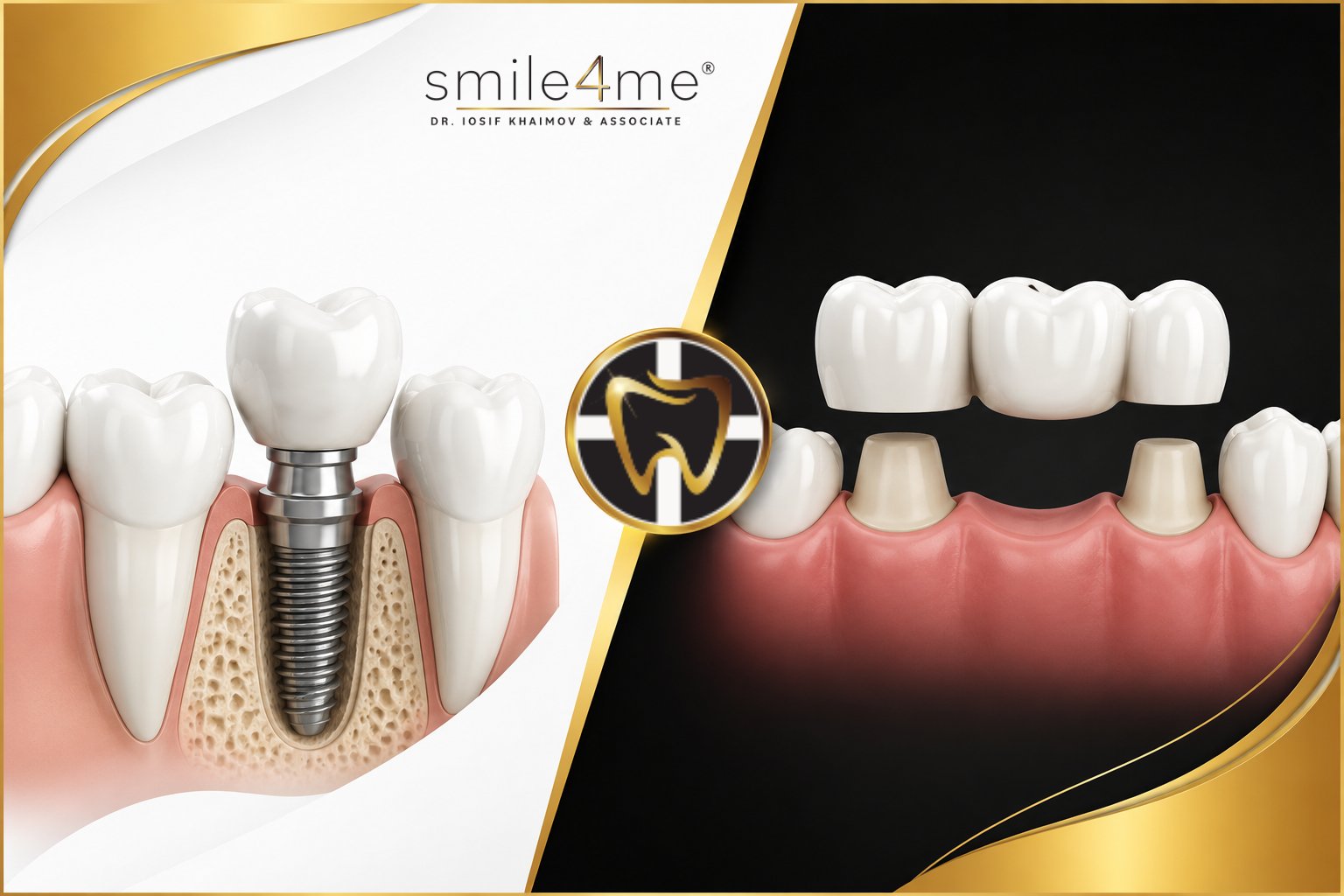
Factor | Dental Bridge | Dental Implant |
Procedure | No surgery; crowns placed on adjacent teeth | Minor surgery; post placed in jawbone |
Timeline | Weeks | Several months |
Lifespan | 10–15 years on average | Can last 20+ years or a lifetime with care |
Jawbone health | Does not prevent bone loss | Helps preserve bone density |
Impact on other teeth | Requires reshaping adjacent teeth | No impact on neighboring teeth |
Maintenance | Standard brushing and flossing, with floss threaders | Standard brushing and flossing |
Implants carry a strong track record for durability. In a National Library of Medicine study of over 158,000 dental implants, the overall failure rate was just 2.21%, with early failures during the healing phase occurring in only 1.56% of cases, meaning the large majority hold up long-term when placed and cared for properly.
Dental Bridge vs Implant Cost Comparison
The upfront price tag is often the first thing patients compare, but the full financial picture looks different once you factor in longevity, insurance, and financing.
Bridges Cost Less Upfront
A traditional three-unit bridge typically runs lower than a single implant, mainly because there's no surgical placement, sedation, or bone-fusion healing period involved. The cost mostly covers the crowns for the two abutment teeth and the pontic that fills the gap.
Implants Save Money Over Time
Since bridges usually need replacing every 10 to 15 years, patients who choose a bridge may end up paying for a second or third bridge over a lifetime. A well-maintained implant, by comparison, is often a one-time investment, since the titanium post is designed to stay fused with the jawbone indefinitely.
Insurance Coverage Varies
Some PPO plans cover a portion of bridges more readily than implants, since bridges have historically been classified as a more standard restorative procedure. Implant coverage is improving industry-wide but still varies significantly by plan, so it's worth calling your insurer to check your specific benefits before committing to either option.
Financing Changes the Math
Smile4Me offers financing with up to 2 years at 0% interest, which makes the higher upfront cost of an implant more manageable for patients who want the longer-term option without paying it all at once. This also gives patients room to choose the implant type that best fits their needs, such as All-on-4 or same-day implants, rather than defaulting to a bridge for budget reasons alone.
Which Option Is Right for You?
Choose a bridge if:
You want a faster solution; bridges typically take just two to three visits over a few weeks.
You'd prefer to avoid surgery; no incision or implant placement is required.
Your bone density is limited; a bridge works even if you haven't had a bone graft to rebuild lost bone.
Choose an implant if:
You're missing one or more teeth; implants work for a single gap or several spread throughout the mouth.
You have healthy bone density; enough bone is needed to support the titanium post.
You want long-term protection; implants preserve the jawbone in a way bridges cannot.
Missing several teeth in a row?
All-on-4 or All-on-6 implants may fit best. These replace a full arch of teeth using just four or six implants, often more efficient than placing multiple individual bridges.
Lost a tooth from an injury?
Get stabilized first. If the tooth loss happened suddenly, from trauma or infection, it's worth speaking with an emergency dentist in Astoria to stabilize the area before deciding on a permanent replacement.
Already have a bridge that's come loose?
A shifting or falling-out bridge can expose the abutment teeth underneath to decay and further damage, so treat a dental bridge falling out as an emergency and get it looked at rather than waiting for your next scheduled visit.
Quality Dental Implants and Bridges at Smile4Me Dental Care
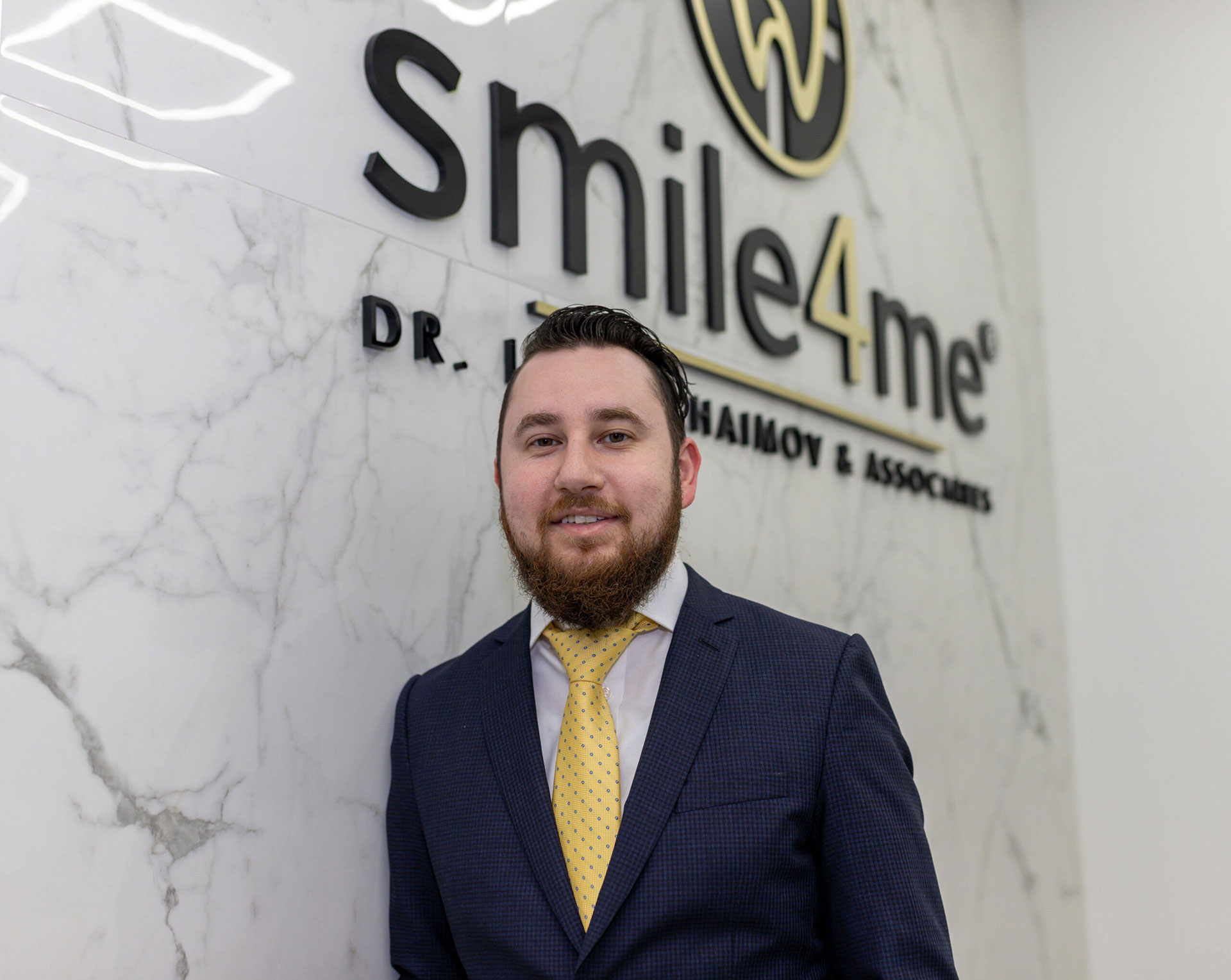
Choosing between a dental implant and a bridge is easier with a dentist who can walk you through your specific bone density, bite, and budget in person. Dr. Iosif Khaimov, a graduate of NYU College of Dentistry with more than seven years of hands-on patient care, evaluates each patient individually rather than defaulting to a one-size-fits-all recommendation.
Comprehensive in-house care: Smile4Me handles implant placement, bridge fittings, and follow-up care under one roof, so patients in Astoria rarely need a referral to an outside specialist.
Advanced technology: Modern imaging and treatment planning tools help pinpoint bone density and placement accuracy before any procedure begins.
Financing built for bigger decisions: With up to 2 years with 0% interest, patients can choose the option that fits their long-term goals instead of settling for whichever costs less upfront.
Personalized treatment plans: Every recommendation, whether it's a traditional bridge, a single implant, or a full-arch solution like All-on-4, is based on the patient's actual oral health rather than a generic protocol.
Convenient Astoria location: The practice is a five-minute walk from the Steinway St subway station and accessible by multiple bus routes, making follow-up visits easy to fit into a busy schedule.
Every recommendation starts with a real exam, not a one-size-fits-all answer, which is how our dentist in Astoria keeps both function and long-term outcomes in mind for every Astoria patient.
Final Words on Dental Implants vs Bridges
There's no universal winner in the implant vs bridge decision; only the option that fits your bone health, your timeline, and your budget. Bridges get you back to a full smile faster and without surgery, while implants offer a longer-lasting fix that protects your jawbone for years to come. Either way, the details that matter most, like your bone density and gum health, only show up in a real exam, not a general guide.
Dr. Iosif Khaimov and the team at Smile4Me Dental Care are ready to walk you through both options and help you land on the right one for your smile. With financing up to two years at no interest, cost doesn't have to be the deciding factor.
Book an appointment with Smile4Me Dental Care today, or call (718) 400-4400 to get started.
FAQs About Dental Bridges vs Dental Implants
Can you get a bridge and an implant at the same time?
Yes. Some patients use an implant-supported bridge, which combines both approaches. Implants anchor the bridge instead of relying on natural teeth, which is useful when replacing several missing teeth in a row without placing an individual implant for each one.
Does insurance cover dental implants or bridges?
Coverage depends on the plan. Many PPO plans offer partial coverage for bridges, while implant coverage varies more widely. Smile4Me accepts most PPO insurance plans and offers 0% interest financing to help cover the difference.
How long does recovery take for each option?
Bridge placement typically involves little to no recovery time beyond mild sensitivity. Implant recovery takes longer, since the post needs several months to fuse with the jawbone before the final crown is placed.