
Veneers are one of the most popular ways to transform a smile, and for good reason. They're durable, natural-looking, and built to last. But if you're considering veneers or already have them, you've probably wondered: how often do veneers need to be replaced? It's a fair question, and at Smile4Me Dental Care in Astoria, we guide patients through that conversation every day.
The answer depends on a few key factors, from the material used to how well they're cared for over time. This post breaks down everything you need to know about veneer lifespan, what affects it, and how to get the most out of your investment.
How Long Do Veneers Last?
Generally, most patients can expect a decade or more before any replacement is needed. According to a study published in PMC (National Library of Medicine), dental veneers have a survival rate of over 90% for more than 10 years.
But how long veneers last depends on the material they're made from, and each option brings a different set of trade-offs. Porcelain and composite resin are the two most common choices, and they behave very differently over time. Understanding what each material offers, and where it falls short, helps set realistic expectations for longevity and cost.
Porcelain Veneers
Porcelain veneers are harder, more stain-resistant, and more durable than composite alternatives. Because porcelain is a ceramic material, it resists staining from coffee, tea, and red wine far better than composite resin.
The trade-off is cost. But a composite veneer may need replacement two or three times in the same period a porcelain veneer lasts, so patients who choose porcelain often spend less per year over the life of the restoration.
Composite Veneers
Composite veneers have a shorter lifespan, but they carry one meaningful advantage over porcelain. When a composite veneer chips or shows minor wear, a dentist can often repair it directly in the office. No full replacement needed.
Porcelain can't be repaired the same way. A chipped or cracked porcelain veneer generally requires full replacement, since porcelain doesn't bond reliably to itself.
What Causes Early Veneer Failure
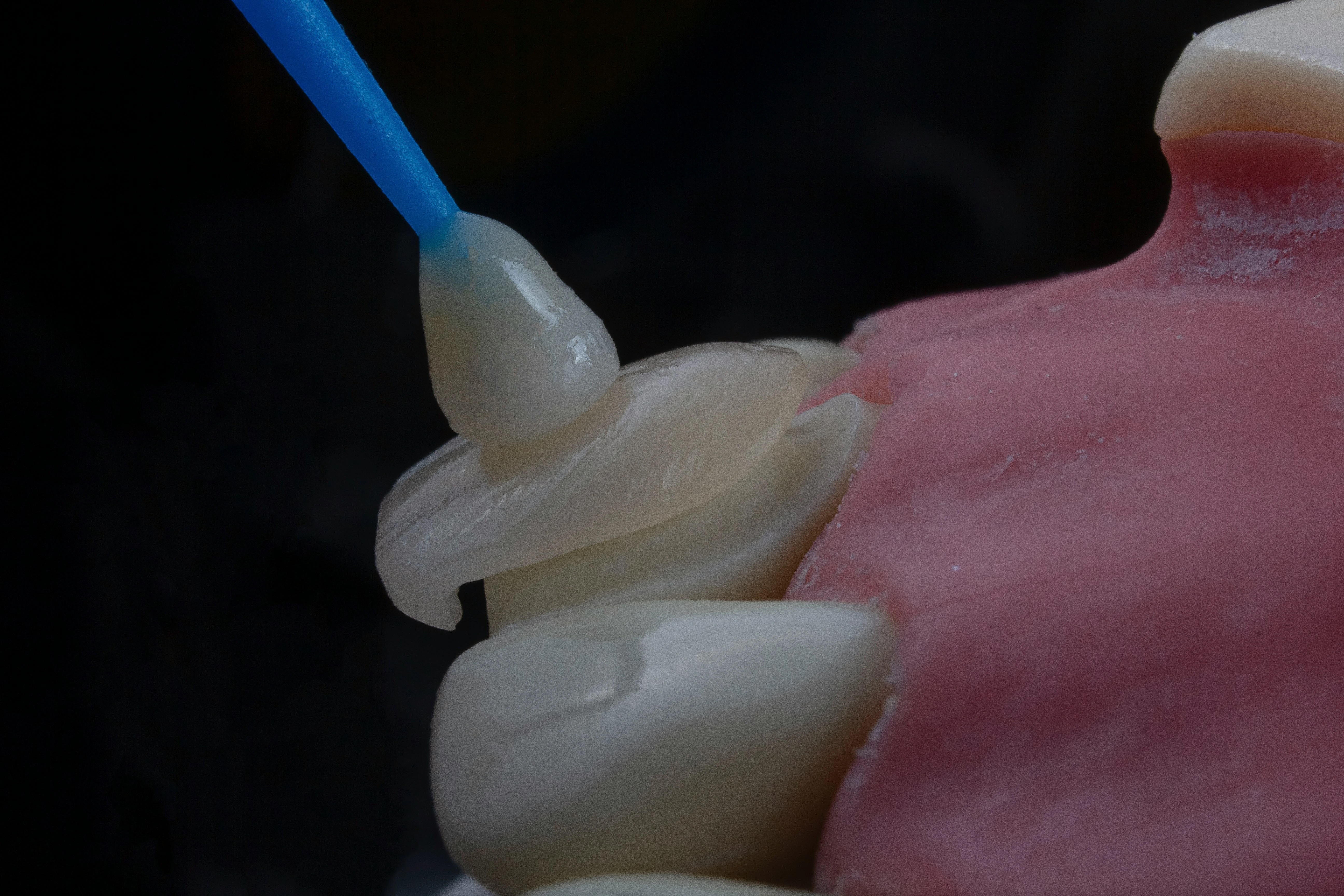
Several factors cause veneers to fail before their expected lifespan, and some are more preventable than patients realize.
Teeth Grinding
Bruxism is one of the leading causes of early veneer failure. Repeated pressure wears down the veneer surface and stresses the bonding material. Many people grind at night without realizing it, so a custom night guard is strongly recommended.
Daily Habits and Diet
Biting hard foods like ice or hard candy, using teeth as tools, and poor oral hygiene that allows decay to develop underneath the veneer all shorten the lifespan. An acidic diet high in citrus or carbonated drinks gradually erodes the bonding agent.
Quality of the Original Placement
A veneer placed with proper bonding technique and well-fitted margins will last significantly longer than one placed with suboptimal materials. Poor marginal fit allows bacteria to infiltrate early, and inadequate bonding leads to detachment.
Choosing a skilled cosmetic dentist from the start is one of the most important decisions a patient can make for the long-term durability of veneers.
How Often Do Veneers Need to Be Replaced and How to Tell
There's no fixed timeline for veneer replacement, only the signs your veneers send you. At Smile4Me, these are the ones we watch for.
Chipping or cracking: Visible fractures on the veneer surface, even minor ones that catch light or feel rough to the tongue
Discoloration: Staining that can't be removed with professional cleaning, particularly along the veneer margins
Looseness or detachment: Veneers that flex, lift slightly, or have fully separated from the tooth
Gum recession: Exposed veneer margins or underlying tooth structure creating a visible line or gap
Sensitivity or pain: Discomfort beneath the veneer, which may point to decay or bonding failure
Aesthetic mismatch: The veneer no longer matches the color or shape of the surrounding teeth
Not all of these carry the same urgency. Mild discoloration or an aesthetic mismatch can be addressed at a scheduled appointment. Looseness, detachment, and pain are different. A veneer that has separated from the tooth leaves the underlying structure exposed, and that qualifies as a dental emergency.
The Veneer Replacement Process
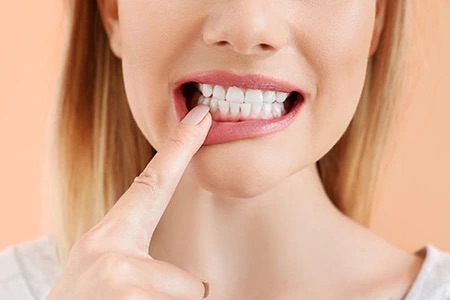
Replacing a veneer is a straightforward process when it's caught early, and the underlying tooth is in good health. It closely mirrors the original placement procedure, with a few additional steps to account for the existing restoration.
A thorough examination and X-rays assess the health of the tooth beneath the existing veneer
The old veneer is carefully removed without damaging the prepared tooth surface
A digital scan captures the tooth's current shape and bite
A temporary veneer is placed to protect the tooth during fabrication
The final veneer is bonded in place, with color-matching and bite adjustments made before you leave the chair
When the underlying tooth is healthy, the process is efficient and predictable. Composite veneers may even be repairable in a single visit rather than requiring full replacement, saving both time and cost.
The Risk of Delaying Veneer Replacement
Ignoring veneers past their lifespan creates dental health risks that go well beyond cosmetics.
When a veneer's seal begins to fail, bacteria can infiltrate the gap between the veneer and the tooth surface. This decay develops hidden from view and can become substantial before it's detected.
By the time a patient notices sensitivity or the veneer finally detaches, the damage may be extensive enough to require a crown or root canal rather than a simple veneer replacement.
A loose veneer can also separate suddenly during eating. A cracked veneer can have sharp edges that cut the tongue, cheeks, or gum tissue.
Once a veneer is lost entirely, the tooth underneath is particularly vulnerable. Because enamel was removed at the original placement, that tooth no longer has its natural protective surface. It becomes sensitive and more susceptible to further damage.
How to Make Your Veneers Last Longer
To extend the life of your veneers, you need to provide consistent daily care and regular professional maintenance. The American Dental Association notes that a veneer may chip, crack, wear down, or loosen over time. Regular evaluations are essential for catching those signs before they become larger problems.
Key habits that protect veneers:
Daily brushing: Use a soft-bristle toothbrush and non-abrasive toothpaste. Abrasive whitening pastes can scratch porcelain surfaces over time.
Daily flossing: Prevents decay from forming at the margins where the veneer meets the gum and tooth structure.
Diet choices: Limiting coffee, red wine, and acidic foods helps prevent staining and erosion of bonding agents.
Night guard use: Essential if you grind or clench your teeth.
Avoiding hard objects: Don't bite ice, hard candy, or use your teeth as tools.
At Smile4Me Dental Care, we recommend professional cleanings every six months for all veneer patients. These visits let us check bonding margins, catch early signs of wear, and address small issues before they require more involved treatment. Routine checkups with a trusted dentist in Astoria are the simplest way to protect a significant investment.
The Smile4Me Dental Care Difference for Your Veneers
At Smile4Me Dental Care in Astoria, Queens, veneer replacements are handled with the same precision and personalized attention as every other procedure in the practice. Dr. Iosif Khaimov combines advanced digital imaging technology with years of cosmetic dentistry experience to ensure each replacement veneer fits, functions, and looks exactly as it should. Whether you're replacing a single veneer or refreshing an entire smile, the goal is always the same a result that feels natural and lasts.
Personalized Treatment Planning: Every veneer replacement begins with a comprehensive assessment tailored to your specific tooth structure, bite, and aesthetic goals.
Advanced In-House Technology: Digital scanning and color-matching tools allow for precise fabrication without the guesswork of traditional impressions.
Flexible Financing Options: With up to two years of no-interest financing available, replacing your veneers doesn't have to be a financial burden.
No referrals, no back-and-forth between offices; everything is handled under one roof, so your care stays consistent from start to finish. If you have questions about your veneers or think it may be time for a replacement, Dr. Khaimov and the Smile4Me team are ready to help.
Keep Your Smile Strong for Years to Come
Most patients who stay consistent with their care go a decade or more before replacement is needed. That timeline becomes personal the moment you start noticing changes. Replacement is a normal part of the veneer lifecycle, not a sign that something went wrong. Acting on early warning signs protects your underlying teeth and keeps treatment straightforward.
Ready to check on the health of your veneers or explore your options? Our team at Smile4Me Dental Care in Astoria, Queens, is here to help. Book an appointment or call (718) 400-4400 today, and we'll assess your veneers, catch any early signs of wear, and help you plan for a smile that lasts.
FAQs About Veneer Replacement Frequency
Do veneers need to be replaced, even with perfect care?
Yes. Porcelain veneers typically need replacement after 10 to 20 years, and composite veneers after 5 to 7 years, regardless of how well they're maintained.
Can a veneer be repaired instead of fully replaced?
Composite veneers can often be repaired in the office for chips or minor wear. Porcelain veneers can't be repaired and must be replaced if damaged.
How much does it cost to replace veneers?
Porcelain veneer replacement typically runs $900 to $2,500 per tooth. Composite falls between $250 and $1,500. Flexible financing options, including up to two years with no interest, are available.
Will my teeth be damaged if my veneer falls off?
Yes. Because enamel was removed during the original placement, the exposed tooth is more sensitive and vulnerable. Contact our emergency dentist in Astoria promptly to protect it.