Full dental implants are one of the biggest investments you can make in your smile, and the price tag is exactly what stalls treatment, not the dentistry. Financing, insurance offsets, pre-tax dollars, and a phased plan each cover part of the total. Combining them is how to afford full dental implants without paying for everything at once.
The good news is that very few of our patients pay the full amount upfront. At Smile4Me Dental Care, we sit down with patients across Astoria and Queens on this question every week. Almost every plan we build fits full mouth implant costs into a real household budget.
What Full Dental Implants Cost and What Moves the Price
A single implant generally runs $3,000 to $6,000. Restoring a full arch with individual implants runs $20,000 to $40,000, while the All-on-4 implant cost usually lands between $12,000 and $25,000 per arch because it carries the whole row on four posts.
Those are starting ranges, not quotes. Every implant case is priced differently because every mouth is different, so it pays to see which variables move the price first.
Adults between 20 and 64 keep an average of 26 of their 32 teeth, according to the National Institute of Dental and Craniofacial Research. That average is why so many cases land somewhere between a single implant and a full arch.
Number of Teeth Being Replaced
A single missing tooth is a different case than a full arch, and the count moves the estimate more than any other variable. Full-arch options like All-on-4 and All-on-6 restore a whole row using fewer posts than one implant per tooth. That is why they come up so often when cost is the concern.
Bone Health and the Need for Grafting
Teeth missing for a while can thin the jawbone where a post needs to anchor. Grafting rebuilds that base, which adds a step to treatment and a separate line to your estimate. It is one of the biggest reasons two patients with the same procedure end up with different price points.
Materials and Restoration Type
The post is only the foundation, and the crown or bridge attached to it comes in several materials. Zirconia and porcelain wear differently over years of chewing, and the choice affects both durability and cost. Your dentist should walk you through the trade-offs instead of defaulting to the most expensive option.
Sedation and Number of Visits
Sedation matches the case, and deeper sedation adds chair time to a surgical visit. Same-day protocols, sometimes called teeth in a day, push the other direction by compressing treatment into fewer appointments. Both often appear in the same plan, so your estimate should show what each covers.
Where You Live and Where You're Treated
Cost of living shapes dental pricing the same way it shapes rent and groceries. A practice in Astoria quotes differently than one in another market, and a national average flattens that difference entirely. Each factor here is worth turning into a direct question at your consultation.
How to Afford Full Dental Implants? 8 Effective Ways

Once you have a real number, paying for it is the harder half. In its 2019 national survey, the Centers for Disease Control and Prevention found that roughly one in five adults aged 45 to 64 went without dental care they needed because of what it cost. That is exactly why the financing conversation matters as much as the clinical plan.
These eight options range from the first ones to try to the ones worth adding when no single route covers the whole treatment plan.
1. Ask About Financing With No-Interest Terms
Financing arranged through your dental office is usually the fastest path to treatment, since the practice handles the application. Smile4Me Dental Care offers financing with up to two years at zero interest. That means you can break a full arch of implants into predictable monthly payments without the cost of borrowing stacked on top. We partner with CareCredit, Cherry, HFD, and Proceed, and interest-free terms range from one to ten years, depending on the treatment cost. The right lender depends on the amount and term you want.
2. Apply for Third-Party Dental Financing
You can also go straight to a dental-specific lender. These companies offer revolving credit lines built for healthcare costs, including implants, and approval is typically fast, with promotional interest-free windows on some plans. Before signing, compare the promotional period length and what happens if you don't pay off the balance in time.
3. Check Your Dental Insurance for Partial Coverage
Most PPO plans don't cover the implant post itself, but many contribute toward the crown, the extraction, or the bone graft. It is worth having your benefits reviewed line by line rather than assuming implants are excluded entirely. We verify your coverage before treatment starts, so the number you plan around is the real one.
4. Use an HSA or FSA to Cover Part of the Cost
If you have a Health Savings Account or Flexible Spending Account through work, dental implants generally qualify as an eligible expense. Paying with pre-tax dollars lowers your real cost by your tax bracket, with no approval to wait on. HSA funds also roll over year to year, so contributions you start now are waiting when treatment begins.
5. Look Into Medical Credit Cards
A medical credit card covers healthcare costs beyond dental, which helps if other bills are coming too. It arrives as an actual card instead of a fixed loan, so the balance stays open after treatment ends. The standard rate after any promotional period tends to run high, which makes this a better backup than a primary plan.
6. Consider a Personal Loan From Your Bank or Credit Union
A personal loan isn't dental-specific, but it can carry a lower fixed rate than a credit card. Credit unions often price below commercial banks for the same credit profile, and the rate is fixed from day one. It takes more paperwork upfront, but it can save money over the life of the balance.
7. Ask About a Phased Treatment Plan
A full-arch case can be sequenced so payments span more than one budget year. Finishing one arch in December and starting the next in January can put two years of insurance maximums toward a single plan. Spreading the work this way also lets you clear one balance before the next phase begins.
8. Explore Employer Dental Benefits and Wellness Stipends
Beyond standard dental insurance, some employers offer wellness stipends, HSA contributions, or supplemental benefits that apply to major dental work. These sit outside the dental plan itself, which is exactly why they are easy to miss. A quick call to HR is worth it before you assume the PPO is your only benefit.
What If a Dental Emergency Led to Your Tooth Loss?
Not every implant case starts with planning. If a cracked tooth or untreated infection is why a tooth is gone today, we know how stressful that moment is. The first move is getting seen the same day, before the site settles on its own. An emergency extraction usually needs a healing period first, so your plan starts with a timeline rather than a surgery date.
Handling a dental emergency in Astoria fast also protects the bone around the socket, which is bone you won't have to rebuild with a graft. Ask about the implant plan at that first visit, since an extraction done with the future implant in mind is what keeps grafting off your estimate.
Full Dental Implants vs. Other Tooth Replacement Options
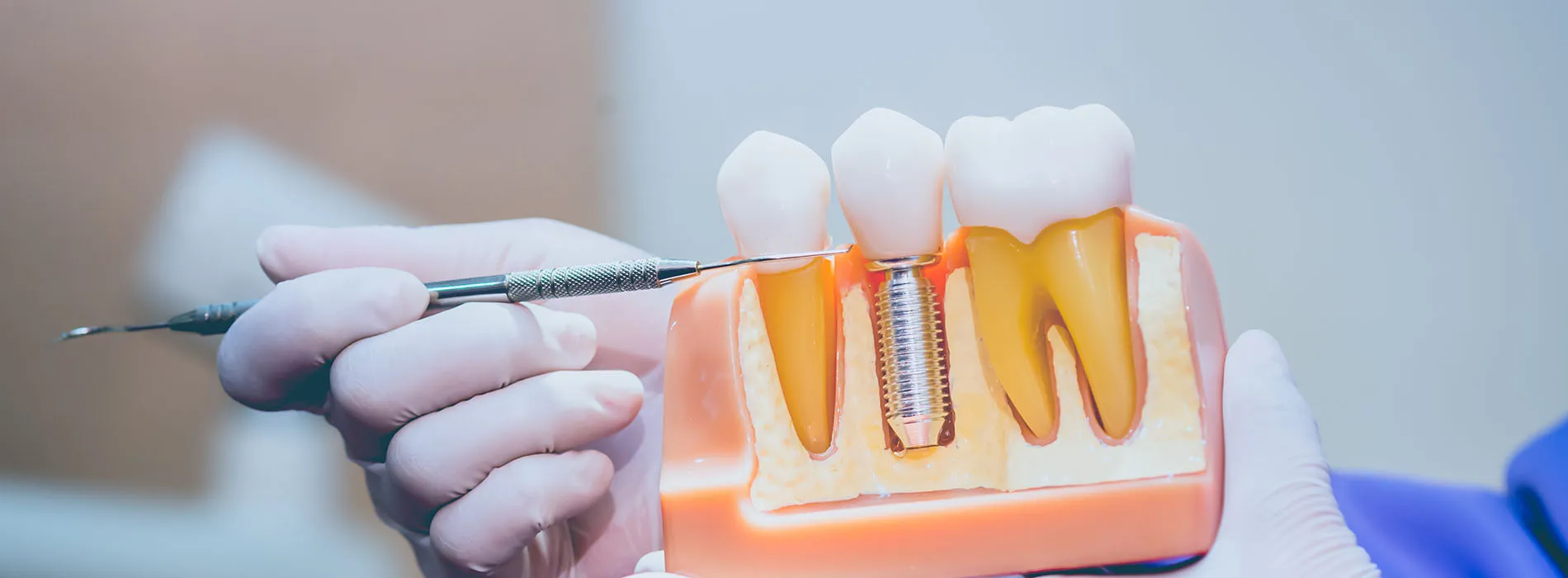
Implants aren't the only way to replace missing teeth, and seeing how they compare with alternatives puts the investment in context.
Factor | Full dental implants | Dentures | Dental bridge |
|---|---|---|---|
What it replaces | One tooth up to a full arch | A full arch, removable | One to a few teeth in a row |
Upfront cost | Highest at the start | Lower at the start | Lower at the start than an implant |
How long it lasts | Decades with proper care | Relined or replaced every several years | 10 to 15 years |
Effect on the jawbone | Stays fused and preserves bone | Does not stop bone loss | Does not stop bone loss |
Effect on neighboring teeth | None | Not a factor across a full arch | Healthy neighbors are reshaped to hold it |
Ongoing upkeep | Routine brushing and flossing | Relining and periodic replacement | Replacement over time |
Full dental implants cost more at the start, but they are built to work like natural teeth for decades rather than years. The higher starting cost evens out once you factor in how often dentures and bridges have to be replaced.
Questions to Ask Before You Commit to a Financing Plan
Several of the options above end with a signature, and what you are signing for matters as much as the monthly payment. Before signing anything, it is worth asking a few direct questions:
What the quote actually covers: Confirm whether the number includes every phase of treatment or only the surgical portion.
Zero interest or deferred interest: Deferred plans can charge interest back to day one if the balance isn't cleared before the promotional window closes.
Missed payments and early payoff: Ask what a late payment triggers and whether paying the balance off early carries any penalty.
None of these should feel uncomfortable asking a practice that is genuinely trying to make your treatment affordable.
Why Astoria Patients Choose Smile4Me for Affordable Implants

Building a plan you can pay for is easier with a dentist who reviews your bone, your case, and your budget in person. Dr. Iosif Khaimov, a graduate of NYU College of Dentistry with more than seven years of hands-on patient care, builds each estimate around your case, not a national average.
He works in implant dentistry, full mouth reconstruction, and same-day protocols, and regularly attends conferences and seminars on implant techniques. That is why the options you are quoted reflect current practice, not outdated advice.
We've Placed Implants Across Astoria and Queens
Grafting needs, phased plans, and the tradeoffs between them come from the dental implants in Astoria Smile4Me Dental Care places every week, not from industry averages. That experience is what lets us tell you honestly whether All-on-4, a single implant, or a staged plan fits your mouth. It also means we won't steer you toward whichever option is easiest to sell, which is where estimates go wrong.
We Handle Treatment In-House
We place the implants, restore them, and handle follow-up under one roof, so patients rarely need outside referrals. That keeps treatment coordinated and avoids the cost of managing several offices. It also means fewer separate consultation and surgical fees stacked onto your total.
We Offer Real Financing, Not Just a Brochure
Financing here is not a brochure handed to you at checkout. We run the application in the office, and the interest-free option exists, so a full-arch case doesn't wait on savings. That is the difference between a practice that quotes you a price and one that helps you reach it.
We're Built for Convenience
Our Astoria office is a five-minute walk from the Steinway Street subway station on the R and M lines, with several bus routes nearby. Implant treatment spans multiple visits, so access keeps a long plan manageable. A plan you can actually get to is a plan you can actually finish.
Ready to Talk About Your Options?
There's no single right way to pay for implants, only the combination that fits your case, your coverage, and your timeline. Every treatment plan we build starts with an honest conversation about your goals and your budget. If you're ready to see what full dental implants would look like for you, call us at (718) 400-4400 or book an appointment online, and we'll walk you through financing during your visit.
Smile4Me Dental Care is a dentist in Astoria offering implant dentistry, full mouth reconstruction, and flexible financing to patients across Queens.
FAQs About Implant Costs and Financing
How much should I expect to pay for full mouth implants?
It depends on how many teeth you're replacing and what your jaw looks like underneath. A CBCT scan, a 3D image of your jaw, shows exactly how much bone you have, and we build your itemized estimate from it.
How hard is it to get financing for dental implants?
Our partners work with a wide range of credit, and most pre-qualify you with a soft check that won't affect your score. You can see where you stand before committing to anything.
What is the most affordable way to replace a full arch?
Usually All-on-4 or All-on-6, since carrying an arch on four or six posts costs less than one implant per tooth. We'll confirm at your consultation whether you have the bone for it.
Can I get dental implants with no money down?
Often, yes. Many of our patients start with little or nothing down and pay the balance on a schedule that fits their budget.
How do I find out what my insurance will pay?
Ask your insurer for a written pre-treatment estimate, sometimes called a predetermination. It spells out what your plan puts toward the crown, extraction, or graft, and we'll walk you through it.