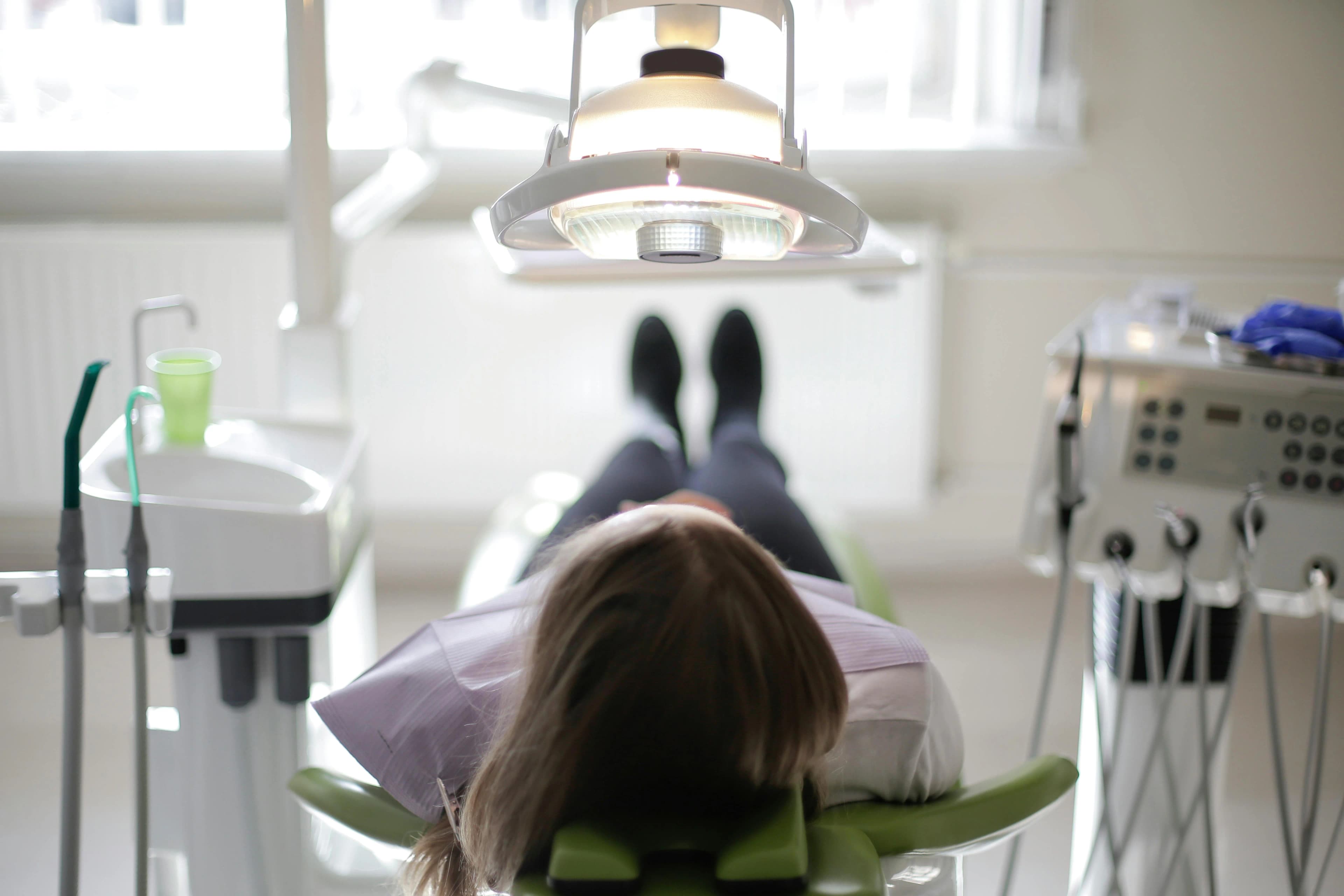
When a dental emergency strikes, the fear can feel just as overwhelming as the pain itself, and navigating both at once is something no one should have to figure out alone. At Smile4Me Dental Care, this guide reflects our patient-centered approach to helping you feel prepared, not panicked.
Understanding how to handle dental emergency anxiety means you'll arrive calmer, communicate more clearly, and walk away without the experience deepening your fear. The steps ahead cover everything from recognizing what you're feeling in the moment to recovering emotionally after the emergency is over, presented here as reassurance rather than a checklist.
What Is Dental Anxiety?
Dental anxiety is a very real and incredibly common experience. It's more than just feeling a little nervous before an appointment. For many people, dental anxiety is an intense, persistent fear of dental visits that can cause physical symptoms like a racing heart, sweating, difficulty breathing, or even nausea.
When that anxiety is tied to a dental emergency, a sudden, unexpected situation involving pain, injury, or trauma, it can feel even more overwhelming. There's no time to mentally prepare. You're already in pain or distress, and now you have to face a dental office on top of it.
Dental anxiety can stem from a number of sources, including:
Past traumatic dental experiences, especially from childhood
Fear of pain or anticipation of discomfort
Loss of control; lying back in a chair while someone works in your mouth
Fear of needles or dental instruments
Embarrassment about the condition of your teeth
General anxiety disorders that extend into medical settings
Understanding why you feel anxious is the first step toward managing it, especially in high-pressure emergency situations.
How to Handle Dental Emergency Anxiety During Stressful Situations
Anxiety can spiral fast when you encounter a dental emergency. Here's a quick overview of what actually helps, and what to keep in mind before, during, and after your visit.
Before you go: Call ahead, communicate your anxiety, and use grounding techniques to calm your nervous system.
At the office: Ask questions, establish a stop signal with your dentist, and bring a support person if possible.
During treatment: Focus on breathing, use distraction techniques, and remind yourself that the discomfort is temporary.
Ask about sedation: Many emergency dental offices offer options like nitrous oxide to help anxious patients relax.
Choose the right provider: A dentist in Astoria who is experienced with anxious patients makes a significant difference.
Dealing with dental anxiety during an emergency isn't about eliminating fear; it's about having the right tools to manage it so you can get the care you need.
How to Prepare Before an Emergency Dental Visit

One of the most powerful things you can do to manage dental emergency anxiety is to prepare, even when you only have a short window of time. Preparation gives your brain something to do instead of catastrophizing.
Call Ahead and Be Honest About Your Anxiety
Don't wait until you're in the chair to mention that you're nervous. When you call to book your emergency appointment, tell the receptionist or the dental team up front. Say something like: "I have significant dental anxiety, and I'd appreciate any support you can offer."
A good dental office will:
Flag your anxiety in your file so the dentist is prepared
Walk you through what to expect over the phone
Discuss sedation or comfort options before you arrive
Allocate extra time so you don't feel rushed
Know What to Bring
Item
Why It Helps
A trusted friend or family member
Emotional support and grounding presence
Headphones and a playlist
Drowns out drill sounds and creates a mental escape
A stress ball or fidget tool
Gives your hands something to do
A list of your medications
Speeds up intake and avoids added stress
Questions written down
Reduces the anxiety of forgetting what to ask
Use Grounding Techniques Before You Leave the House
Your nervous system doesn't know the difference between a real threat and a perceived one. Give it a signal that you're safe before you even walk through the door.
Box breathing: Inhale for 4 counts, hold for 4, exhale for 4, hold for 4. Repeat 4–5 times.
The 5-4-3-2-1 method: Name 5 things you can see, 4 you can touch, 3 you can hear, 2 you can smell, 1 you can taste.
Progressive muscle relaxation: Tense and release each muscle group from your feet upward to discharge physical tension.
These aren't gimmicks; they're clinically recognized techniques for interrupting the body's fight-or-flight response.
Use These Coping Strategies the Moment Anxiety Hits

Even with preparation, anxiety can surge the moment you sit in the chair. Here's how to manage dental anxiety in an emergency situation in real time.
Establish a Stop Signal
Before the dentist begins, agree on a signal, like raising your hand, that means, "Stop, I need a moment." Knowing you have that control can dramatically reduce anxiety. Most dentists are happy to honor this, and many routinely offer it.
Breathe Through It
When anxiety spikes, breathing becomes shallow and fast, which feeds the panic loop. Consciously slow your breathing down:
Inhale through your nose for 4 seconds
Exhale slowly through your mouth for 6–8 seconds
The extended exhale activates your parasympathetic nervous system; your body's natural "calm down" mode
Use Distraction Actively
Distraction isn't avoidance; it's a proven pain and anxiety management technique. Try:
Audio Stimulation: Listen to music or podcasts through headphones.
Visualization: Mentally walk through a calming place (a beach, a forest, a familiar room)
Counting: Count ceiling tiles, your breaths, or backward from 100
Remind Yourself of These Facts
When anxiety tells you worst-case stories, counter them with what's actually true:
Modern dental anesthesia is highly effective; you should not feel sharp pain
Emergency dental procedures are designed to relieve pain, not cause it
You can stop at any time; you are not trapped
The discomfort is temporary; the relief is lasting
Ask About Sedation Options
If your anxiety is severe, don't suffer in silence. Many dental offices that handle dental emergencies for anxious patients offer:
Nitrous oxide (laughing gas): Fast-acting, mild sedation that wears off quickly
Oral sedation: A pill taken before the appointment to reduce anxiety
IV sedation: For extreme cases, administered by a specialist
There's no shame in asking. Sedation dentistry exists precisely for situations like this.
What to Expect During Emergency Dental Treatment
One of the biggest drivers of dental emergency anxiety is the fear of the unknown. Knowing what's coming reduces that fear significantly.
Intake and Assessment
You'll be asked about your symptoms, pain level, and medical history. This is also the moment to mention your anxiety if you haven't already.
Examination and X-rays
The dentist will examine the affected area and likely take one or more X-rays to understand what's happening beneath the surface. X-rays are quick and painless.
Pain Management
In most cases, the dentist's first priority is to relieve your pain. You'll typically receive a local anesthetic injection; the most anxiety-inducing moment for many patients. Here's what to know:
The dentist will usually apply a topical numbing gel first
The injection itself is brief — most people describe it as a mild pinch
Within minutes, the area will be fully numb
The Procedure
Whether it's a tooth extraction, an emergency root canal, abscess drainage, or a temporary repair, the procedure itself happens once you're numb. You may feel pressure or movement, but not sharp pain. If you do, raise your hand immediately.
Aftercare Instructions
Before you leave, the team will walk you through what to expect during recovery and how to manage any discomfort at home.
Procedure
What It Involves
Duration
Tooth extraction
Numbing, loosening, and removing the tooth
20–45 min
Emergency root canal
Removing infected pulp, sealing the canal
60–90 min
Abscess treatment
Draining infection, prescribing antibiotics
30–60 min
Broken tooth repair
Bonding, crown placement, or smoothing
30–60 min
Lost filling/crown
Temporary or permanent replacement
30–45 min
How Smile4Me Dental Care Helps Patients With Dental Anxiety
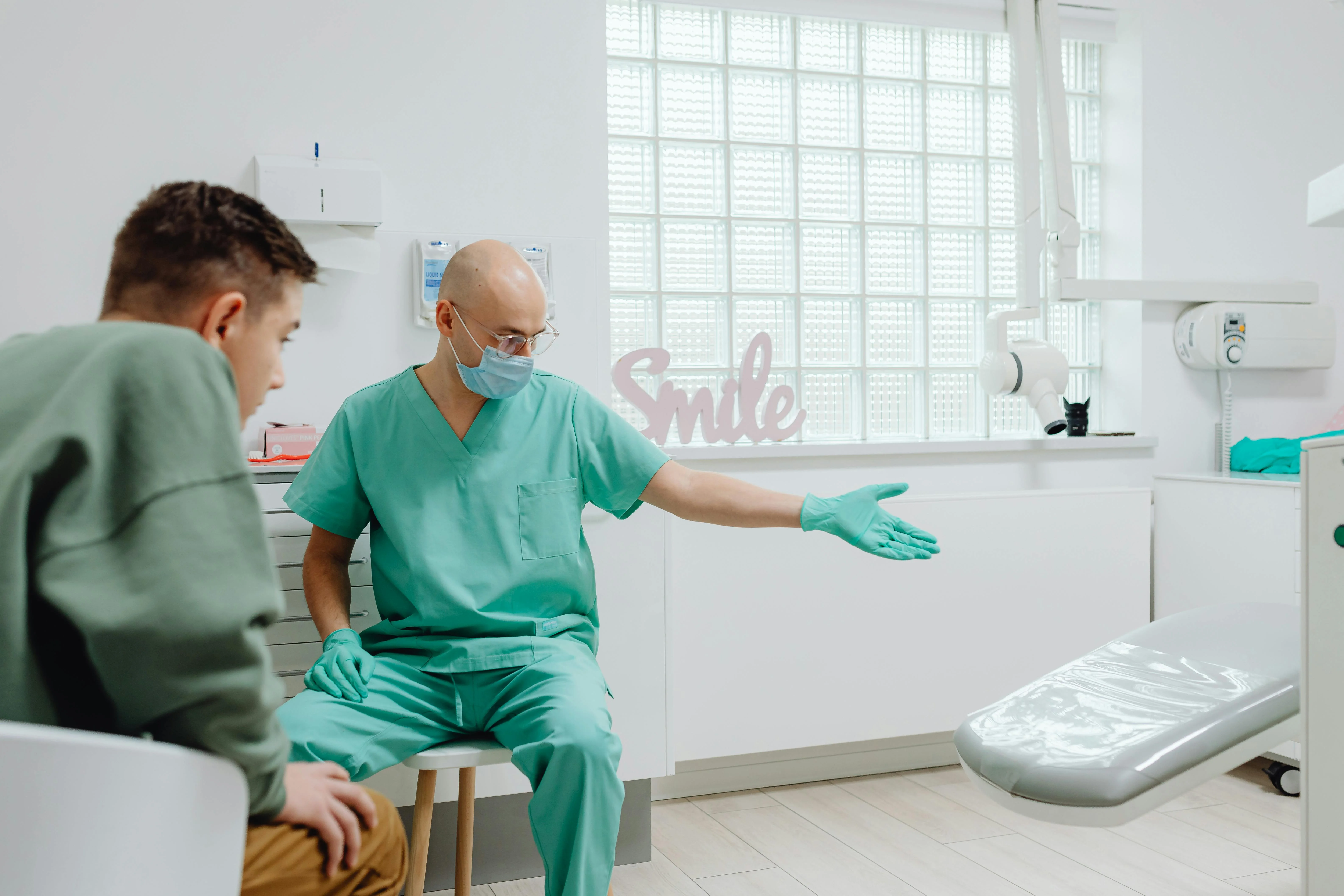
At Smile4Me Dental Care, we understand that dental emergencies are stressful enough without the added weight of fear and anxiety. Our emergency dentist in Astoria takes a patient-centered approach designed to help you feel informed, supported, and in control throughout every stage of your visit. From the moment you contact our office, we focus on creating a calmer experience through clear communication, compassionate care, and treatment options tailored to anxious patients.
We know that learning how to handle dental emergency anxiety often comes down to feeling safe with the right dental team. We offer:
Compassionate Communication: Our team takes the time to explain procedures clearly and answer questions without rushing you. Knowing what to expect helps reduce fear of the unknown and gives patients a greater sense of control.
Comfort-Focused Emergency Care: We offer a supportive environment where anxious patients can establish stop signals, discuss sedation options, and move through treatment at a manageable pace. Every emergency visit is approached with patience and understanding.
Experienced Emergency Treatment: From severe toothaches to broken teeth and abscesses, our team handles urgent dental situations quickly and efficiently. Fast, effective treatment helps relieve pain sooner while minimizing additional stress and anxiety.
No one should feel embarrassed or unsupported because of dental fear. At Smile4Me Dental Care, our goal is to help patients feel calmer, more confident, and fully cared for, even during the most stressful dental emergencies.
Final Words on Handling Dental Emergency Anxiety
Handling dental emergency anxiety starts with understanding your fear, preparing ahead of time, and using practical coping techniques during treatment. Whether it's breathing exercises, grounding techniques, open communication, or sedation options, small steps can make a major difference in helping you stay calm and get the care you need during a dental emergency.
At Smile4Me Dental Care, we're committed to making emergency dental visits feel less overwhelming and more manageable for every patient. If you're dealing with a dental emergency or need anxiety-friendly emergency dental care, contact our team today to book an appointment and get the support you deserve.