
You’re chewing lunch when suddenly something feels off, maybe a sharp edge against your tongue or a strange hollow in your tooth. Situations like this can be unsettling, especially if you’ve just realized a filling has come loose. It raises an important question that many people don’t think about until it actually happens: Is losing a filling a dental emergency?
The answer depends on several factors, including the level of pain, sensitivity, and whether the tooth itself has been damaged. Some lost fillings can wait a short time for repair, while others need urgent attention to prevent infection or further damage.
This article explains what happens when a filling falls out, why it occurs, and what steps you should take to protect your tooth and get it repaired quickly.
Is Losing a Filling a Dental Emergency?
So, is a filling falling out an emergency? In many cases, losing a filling is considered an urgent dental issue, but it does not always qualify as a full emergency. If the tooth is not painful and the structure is intact, you may be able to wait a short time to see your dentist. However, the exposed portion of the tooth is vulnerable, and delaying treatment for too long increases the risk of decay, fractures, or infection.
But, how do you know if a cavity filling fell out? Well, the answer usually lies in these noticeable changes in sensation and structure. Sometimes the filling may even fall out while eating, leaving a visible opening in the tooth.
It becomes a true dental emergency when symptoms such as intense pain, swelling, bleeding, or sharp edges appear. These signs can indicate that the inner layers of the tooth are exposed or that the tooth has cracked along with the filling. When these symptoms occur, prompt dental care is important to stabilize the tooth and prevent the problem from escalating.
What Causes a Filling to Fall Out?
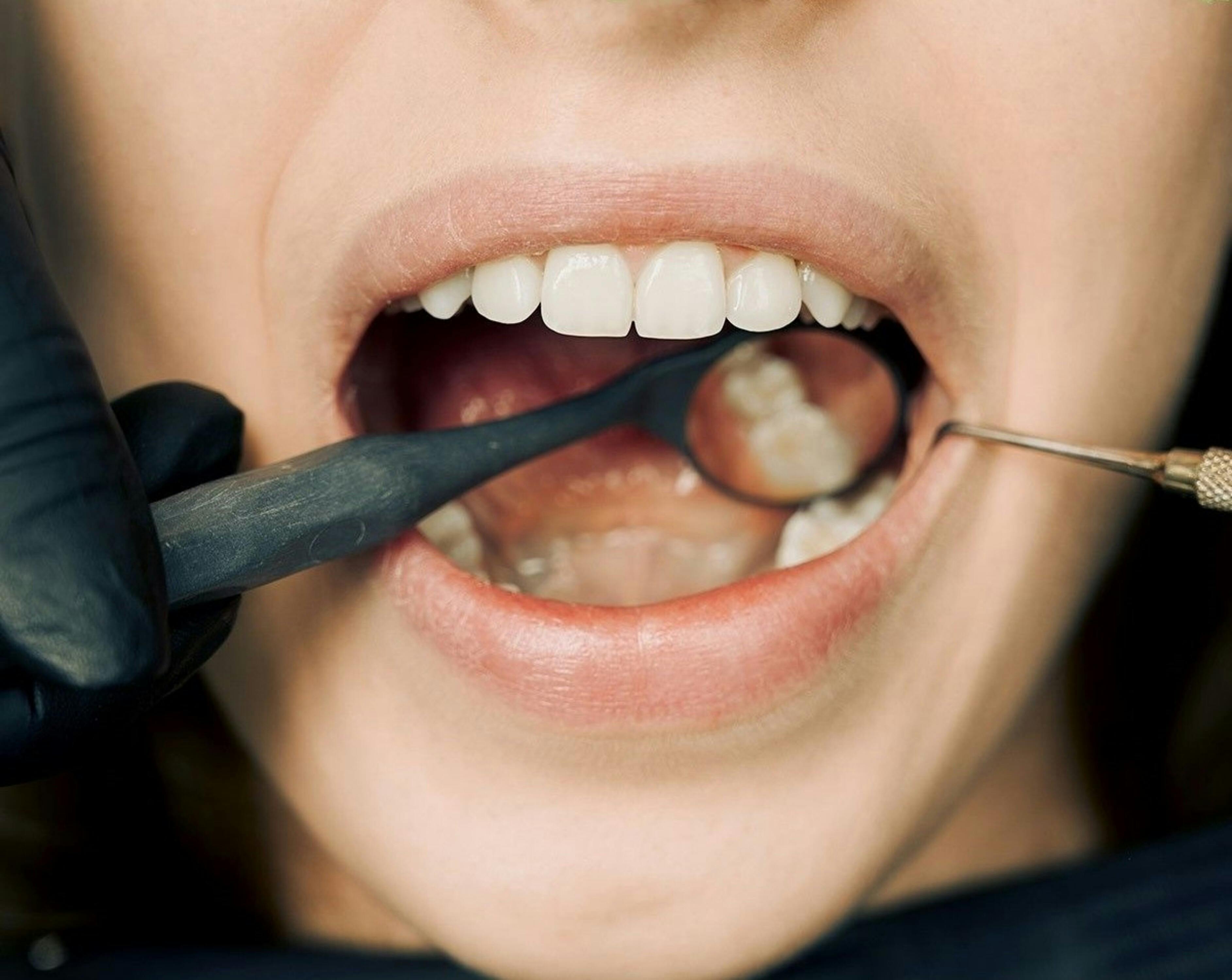
Can tooth fillings come out on their own? Yes, and it's more common than most people think. Fillings don't last forever, and several factors can speed up their breakdown.
Age of the Filling
Amalgam fillings typically last 10-15 years, and tooth-colored composite fillings generally last 5-7 years. According to the National Institute of Dental and Craniofacial Research, tooth decay is one of the most common chronic conditions. Re-decay around old fillings is a leading cause of their failure.
Teeth Grinding (Bruxism)
Grinding or clenching puts enormous pressure on fillings. This can crack or dislodge them more quickly than normal wear would.
Biting Hard Foods
Chewing on hard candies, ice, or crusty bread stresses a filling. One bad bite can pop it loose instantly.
New Decay Around the Filling
Decay can form around the edges of an existing filling. As the surrounding tooth weakens, the filling loses its grip and eventually falls out.
What Happens If Your Filling Comes Out?
When a filling falls out, the protective seal over the damaged portion of the tooth disappears. This exposes the dentin underneath the enamel, which is much more sensitive to temperature, pressure, and bacteria. Many people immediately notice discomfort when drinking hot or cold beverages, while others feel a rough or hollow spot where the filling used to be.
Without a filling, the tooth also becomes structurally weaker. Food particles and bacteria can collect inside the open cavity, accelerating decay and increasing the risk of infection. In some cases, the tooth may even crack because the filling was helping support its structure.
What to Do If Your Filling Comes Out: Action Steps

Is losing a filling considered a dental emergency? It depends on your symptoms, and acting quickly makes a real difference. Follow these steps right away.
Stay calm. A lost filling is stressful, but it's manageable.
Rinse gently with warm water to clean the area.
Save the filling if you find it and bring it to your appointment.
Avoid chewing on that side of your mouth.
Apply dental cement from a pharmacy as a short-term cover. This is a temporary fix, not a replacement.
Avoid hot, cold, or sweet foods until you see a dentist.
Call your dentist right away and describe your symptoms.
If you're experiencing significant pain or swelling, contact an emergency dentist in Astoria as soon as possible.
Dr. Iosif Khaimov and the team at Smile4Me regularly treat lost fillings. The earlier you come in, the simpler the repair tends to be, and the less likely a straightforward fix is to turn into a more involved procedure.
How to Prevent Losing Fillings in the Future
Fillings are durable, but they still require care to last as long as possible. Small daily habits and regular dental visits can make a big difference in protecting both your fillings and the surrounding tooth structure.
Several preventive habits help reduce the chances of a filling failing unexpectedly:
Maintain Consistent Oral Hygiene: Brushing and flossing daily reduces the risk of decay forming around the edges of a filling.
Avoid Excessive Pressure on Teeth: Limiting habits like chewing ice or hard candy helps prevent fillings from cracking or loosening.
Attend Regular Dental Checkups: Routine exams allow dentists to spot worn or weakened fillings before they fail.
When fillings are monitored regularly and protected from unnecessary stress, they can often last many years before needing replacement.
Visit Smile4Me Dental Care for Emergency Dental Filling Treatments
A lost filling should never be ignored. At Smile4Me Dental Care in Astoria, patients receive prompt evaluation and treatment designed to protect the tooth and relieve discomfort as quickly as possible. Led by Dr. Iosif Khaimov, our team focuses on patient-centered care, combining modern dental technology with a careful clinical assessment to determine exactly what the tooth needs. During your visit, the tooth is examined for cracks, hidden decay, and nerve involvement so the correct treatment can be provided right away.
Treatment may involve several restorative options depending on the condition of the tooth:
New Composite Filling: Restoring the tooth with a strong, tooth-colored material that blends naturally with your smile.
Dental Crown Placement: Reinforcing a weakened tooth when more structural support is required.
At our dentist in Astoria, treatment plans are personalized to protect both the function and appearance of your teeth. The practice is known for combining advanced dental techniques with a compassionate approach that prioritizes patient comfort and long-term oral health. Flexible financing options and accessible scheduling help ensure patients can receive the care they need without unnecessary delays.
If you believe you’ve lost a filling or are experiencing pain, sensitivity, or swelling, scheduling an evaluation quickly can prevent more complicated treatment later. Contact Smile4Me Dental Care today to book an appointment and get your tooth repaired by an experienced dental team.