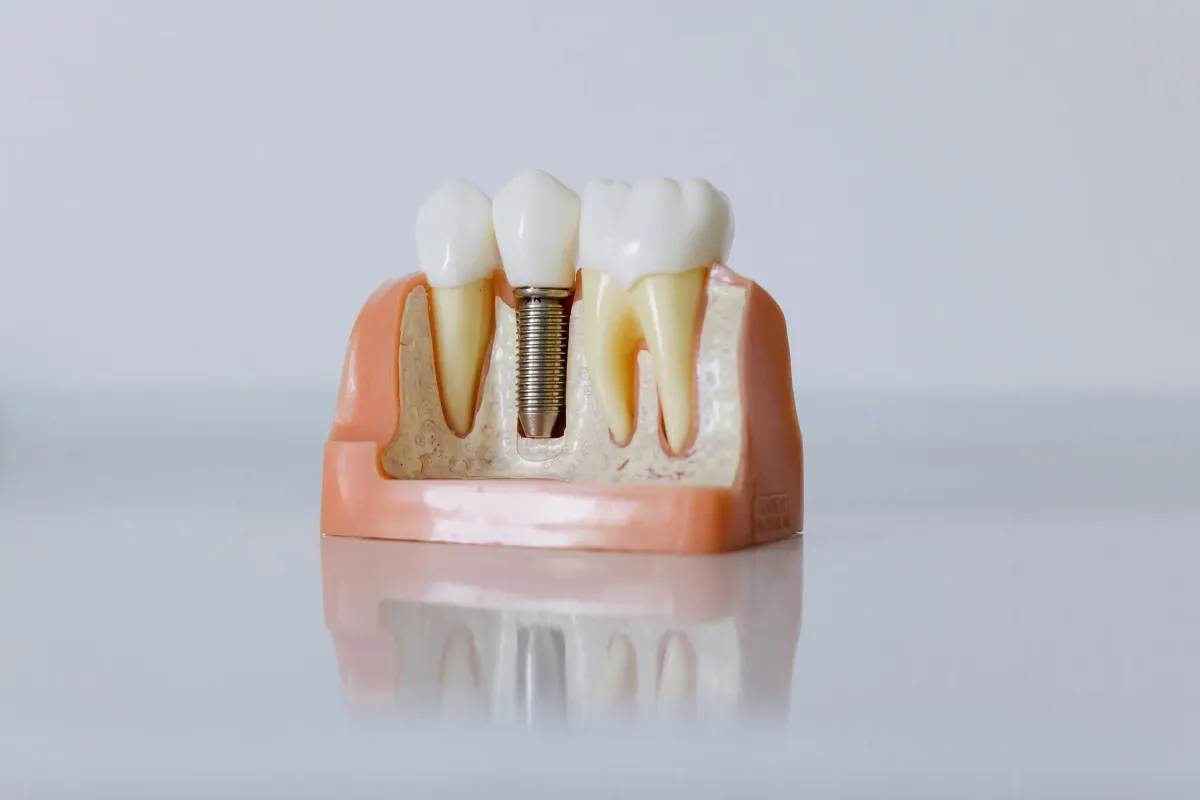
Dental implant maintenance is the most important factor in how long your implants last. Brush twice daily, floss, rinse with antimicrobial mouthwash, and see your dentist every 3-6 months. These four habits form the foundation of lasting implant health.
With the right daily routine and professional care, implants can serve you well for decades. This guide covers practical tips for caring for dental implants, as well as common mistakes to avoid.
Why Dental Implant Maintenance Matters
Implants are designed to last 20+ years, or potentially a lifetime. Unlike natural teeth, they can't develop cavities. But the gum tissue and bone surrounding them are still vulnerable to bacterial buildup and gum disease.
When oral hygiene lapses, two serious conditions can develop:
Peri-implant Mucositis: Reversible inflammation of the gum tissue around the implant
Peri-implantitis: Progressive bone loss that can lead to implant failure
Staying consistent with your care routine is the most effective way to prevent both.
Expert Tips for Caring for Dental Implants
Good implant care doesn't have to be complicated; it just takes consistency. Whether you have single implants, All-on-X, or full-mouth solutions, these tips will help protect your investment.
Brush Twice Daily
Use a soft toothbrush and non-abrasive toothpaste morning and night. This prevents plaque and bacteria from accumulating around your implants.
Use an Antimicrobial Mouthwash
A daily antimicrobial rinse reduces bacteria and helps keep the surrounding tissue healthy.
Avoid Hard and Sticky Foods
Hard foods and sticky candies put stress on the implant. Over time, this can damage the restoration or cause it to loosen. Softer foods are best.
Stop Smoking
Smoking restricts blood flow to the gums and impairs osseointegration. It also significantly increases the risk of implant failure.
Wear a Night Guard
If you grind or clench at night, a custom night guard protects your implants from excessive pressure and wear.
Floss Daily
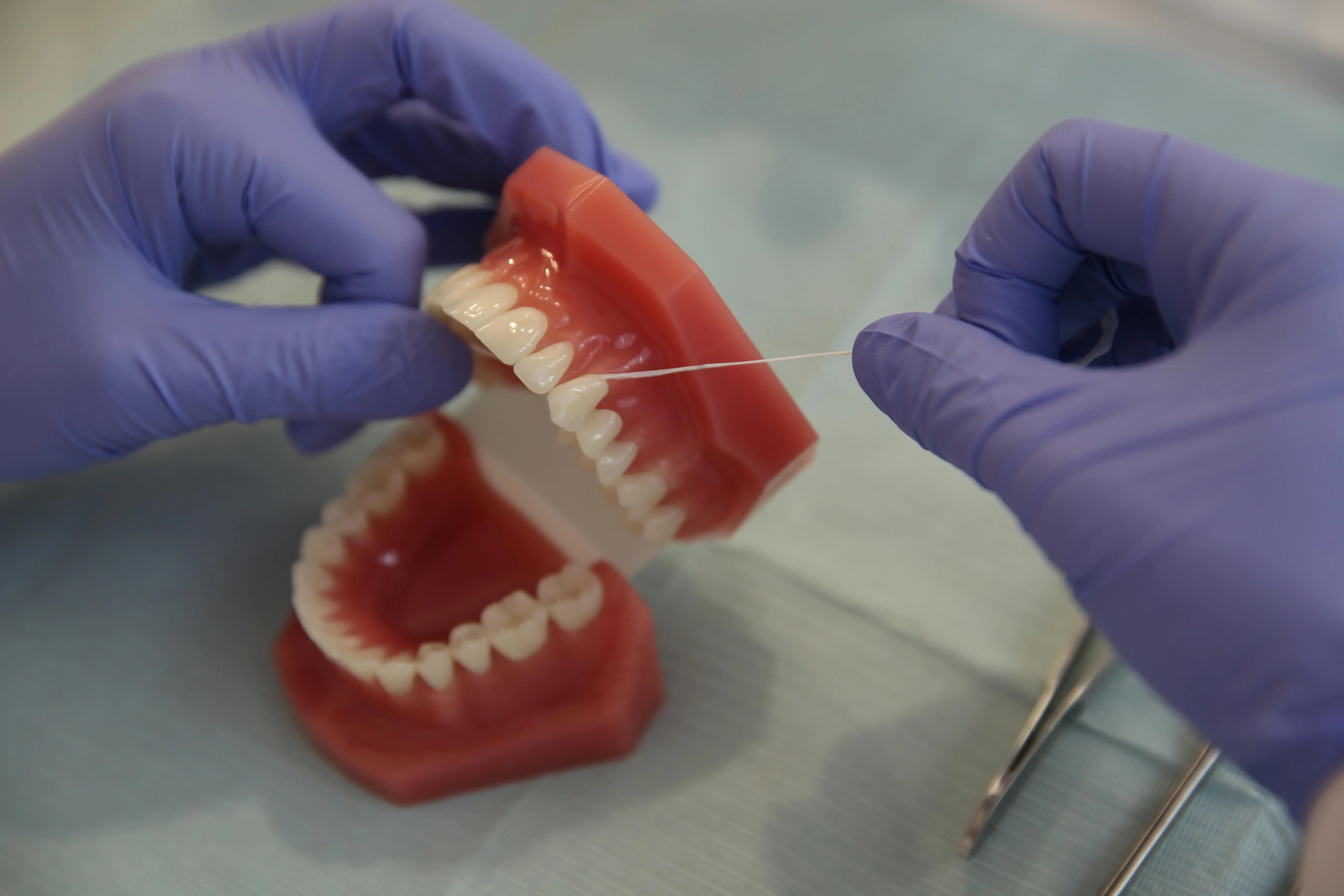
Use implant-specific floss, unwaxed dental tape, or a water flosser to clean between implants and natural teeth. Brushing alone can't reach these areas.
Monitor Stability
If your implant feels loose or unstable, don't wait. A loose implant needs prompt attention; contact your dentist right away.
Follow Post-Op Instructions
After surgery, follow all guidance from your dentist. This supports healing and helps the implant integrate successfully.
Visit Your Dentist Regularly
Schedule professional checkups every 3-6 months. Your dental team can monitor bone health, gum condition, and implant stability at each visit.
Common Mistakes That Harm Dental Implants
Even with the best intentions, small habits can quietly undermine your implants. Here are the most common mistakes to watch for.
Brushing Too Aggressively: Scrubbing too hard damages gum tissue and exposes implants to bacterial buildup.
Neglecting the Gumline: Plaque accumulates at the gumline just as it does around natural teeth. Skipping this area invites infection.
Using Abrasive Toothpaste: Many standard toothpastes contain whitening agents or baking soda. These scratch implant crowns over time, creating rough surfaces where bacteria cling.
Skipping Professional Cleanings: At-home care removes surface plaque. But bacterial biofilm still builds up in areas only a professional can reach. Poor oral hygiene is a significant risk factor for peri-implantitis, making professional dental cleanings a non-negotiable part of implant care.
The Best Tools for Caring for Dental Implants
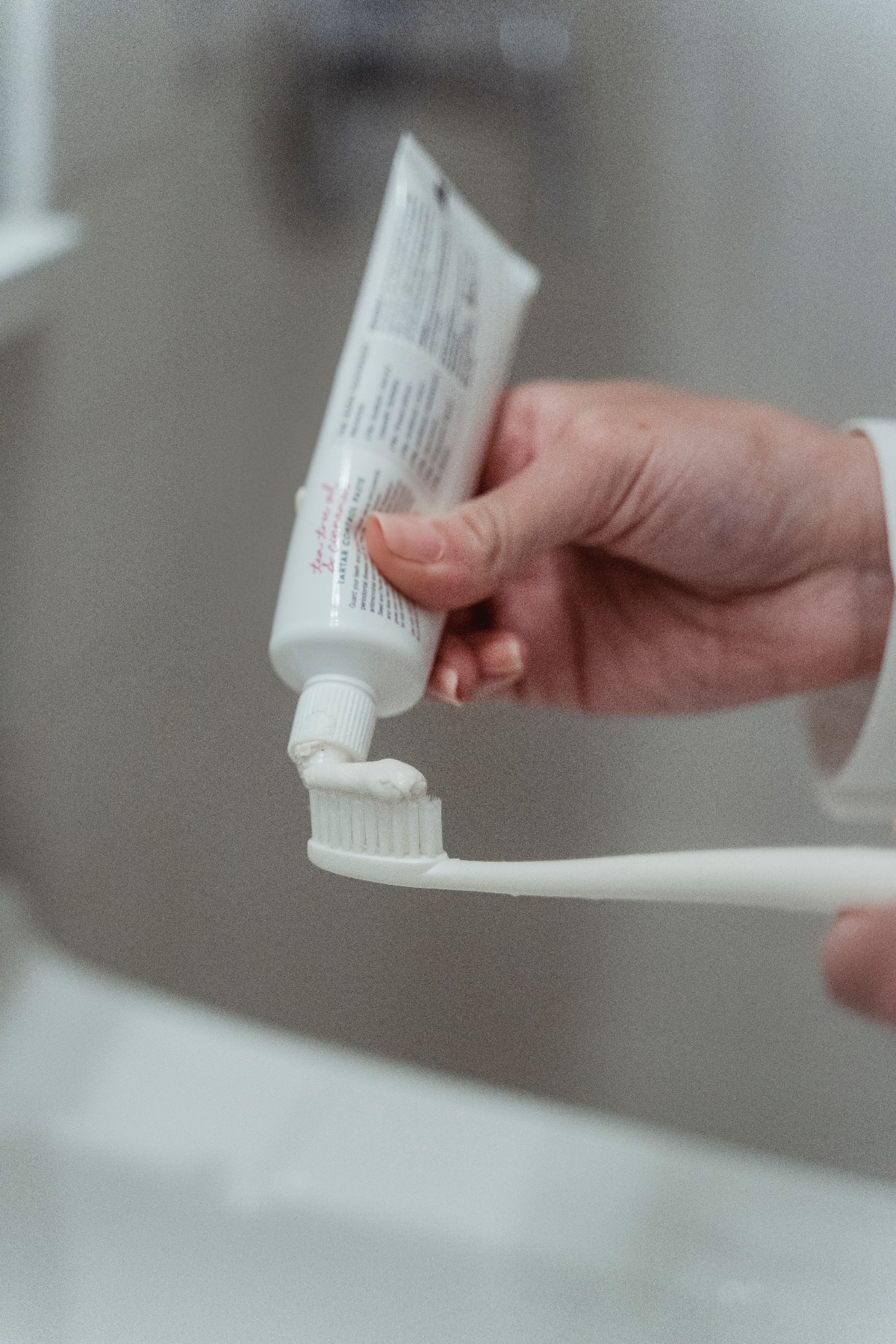
Having the right tools at home makes a real difference in your implant care routine. Here's what to keep on hand:
Soft-bristled or electric toothbrush: Removes plaque without damaging implant surfaces or irritating gum tissue
Water flosser: Flushes bacteria and food particles from around implants and under bridges
Non-abrasive toothpaste: Cleans gently without scratching implant restorations
Interdental brushes: Ideal for cleaning around the implant base, especially with bridges or implant-supported prosthetics
FAQs About Dental Implant Care
How long do dental implants last with proper maintenance?
With consistent care, implants can last 20+ years, and in many cases, a lifetime. The crown may need replacement every 10 to 20 years, depending on the material and wear. The titanium post itself is designed to be permanent. Dental implant maintenance is the single most important variable in long-term success.
Can dental implants get infected?
The implant post can't decay, but the surrounding gum tissue can become infected. Early-stage infection is reversible. Advanced infection, or peri-implantitis, involves bone loss and is much harder to treat. Signs of infection include redness, swelling, bleeding, or pain around the implant.
Is flossing necessary for dental implants?
Yes, flossing is essential. Plaque builds up at the gumline around implants just as it does around natural teeth. Implant-specific floss, unwaxed dental tape, or a water flosser all work well. Skipping flossing is one of the most common implant care mistakes, and one of the easiest to fix.
How Smile4Me Dental Care Supports Your Implant Health
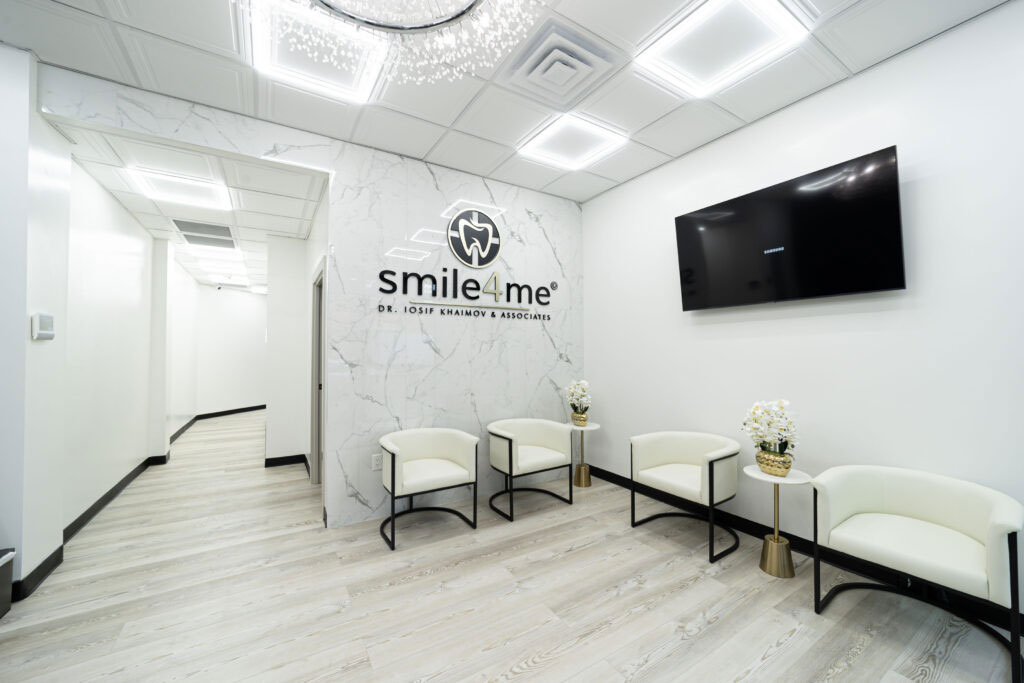
As a leading dentist in Astoria, Smile4Me Dental Care is committed to protecting your implants, not just during placement, but for years to come.
Dr. Khaimov founded Smile4Me to bring technology-driven, personalized dentistry to the Astoria community. Our practice offers 2-year no-interest financing to make comprehensive implant care accessible to more patients in Queens.
Our Astoria implant services include:
Single Dental Implants: A permanent, natural-looking replacement for one missing tooth
All-on-4 Implants: A full arch restoration supported by just four strategically placed implants
All-on-6 Implants: Enhanced full arch support using six implants for added stability and strength
Same-day Implants: Teeth in a day, walk in with missing teeth, leave with a restored smile
Full Mouth Reconstruction: Comprehensive implant-based rebuilding for patients with multiple missing or failing teeth
What sets Smile4Me apart is continuity. Dr. Khaimov and his team remain involved at every stage, from initial placement through years of follow-up care. You're not just getting implant surgery, you're gaining a long-term partner in your implant health.
Smile4Me Dental Care is conveniently located at 31-57 Steinway St in Astoria, Queens. If you ever experience sudden pain, swelling, or any concern with your implant, our team is also available as an emergency dentist in Astoria, so you're never left waiting when something feels wrong.
Final Words on the Maintenance of Dental Implants
Consistently maintaining your dental implants is key to keeping them stable, your gums healthy, and your smile beautiful. From choosing the right tools to following proper techniques and avoiding common mistakes, taking proactive steps today will help you avoid costly issues tomorrow.
Ready to give your implants the best possible care? Book an appointment with Smile4Me Dental Care online, or walk in. We're happy to see you the same day.
Key Takeaways
Daily habits are the foundation: Brush twice daily with a soft toothbrush, floss, and rinse with antimicrobial mouthwash
Professional checkups are non-negotiable: Seeing your dentist every 3–6 months catches complications before they become irreversible
Common mistakes are avoidable: Abrasive toothpaste, skipping cleanings, ignoring bleeding, and tobacco use are leading causes of preventable implant failure
Early action prevents serious damage: Peri-implant mucositis is reversible, peri-implantitis is not. When something feels off, contact your dentist promptly