
You finally did it; you whitened your teeth, and your smile looks noticeably brighter. Then you take your first sip of cold water and immediately regret it.
Sensitive teeth after teeth whitening is one of the most common concerns patients bring up, and it often catches people off guard. The good news is that it is almost always temporary, and there are concrete things you can do to manage it. Dr. Iosif Khaimov, a NYU College of Dentistry graduate and lead dentist at Smile4Me Dental Care in Astoria, Queens, shares what actually helps and what to avoid during those sensitive days.
Why Do Teeth Become Sensitive After Whitening?
Whitening products, whether in-office treatments or store-bought strips, use peroxide-based bleaching agents to break down surface stains. The process works by penetrating through the outer enamel layer. As the peroxide moves inward, it can temporarily expose the dentin, the softer layer beneath your enamel that sits much closer to the nerve. That exposure is what causes the sharp, zingy sensation when your teeth are touched by hot or cold.
A few factors influence how much sensitivity you experience:
The Peroxide Concentration: Higher concentrations in over-the-counter strips and gels tend to cause more sensitivity than professional-grade treatments, which are applied in controlled settings.
Contact Time: The longer bleaching agents stay on your teeth, the deeper they penetrate and the more the nerve endings react.
Individual Tooth Structure: Thinner enamel, pre-existing sensitivity, or worn areas mean less of a barrier between the bleaching agent and your nerve.
The sensitivity is a signal that your teeth are recovering, not that something is permanently wrong. For most people, it resolves within 24 to 72 hours.
8 Tips to Help With Sensitive Teeth After Teeth Whitening
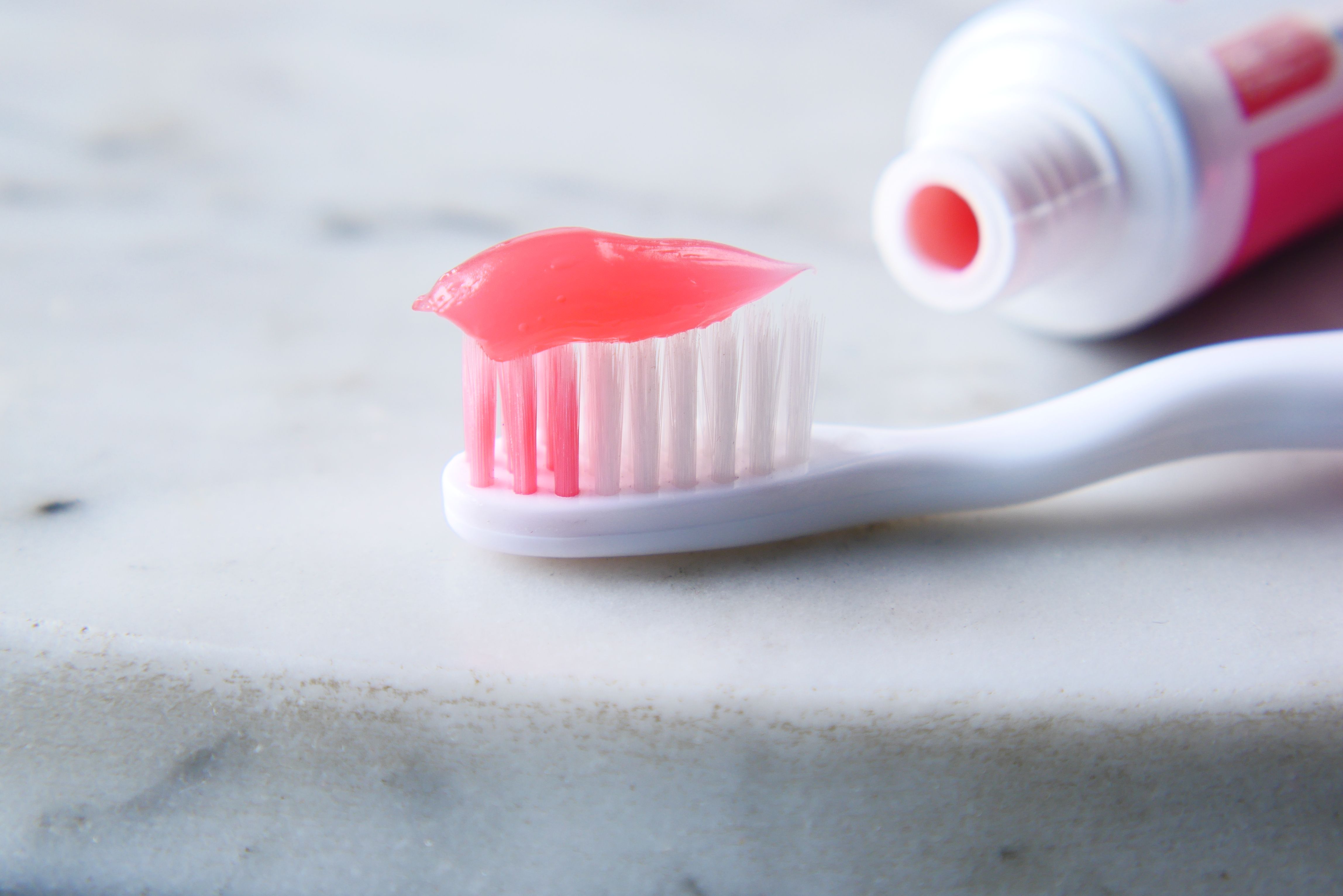
Managing sensitivity after teeth whitening comes down to a combination of preparation, post-treatment care, and choosing the right whitening method in the first place.
Switch to a Desensitizing Toothpaste
Products containing potassium nitrate or stannous fluoride calm the nerve pathways inside the tooth. Start using one about a week before whitening and continue for several days after treatment.
Avoid Hot and Cold Foods and Drinks for 48 Hours
Your teeth are at peak sensitivity in the first one to two days after whitening. Anything that creates an extreme temperature, like iced coffee, hot soup, or cold smoothies, will hit those exposed nerve pathways hard. Stick to room-temperature foods and drinks during this window and let your enamel settle back down.
Skip Acidic Foods Temporarily
Citrus fruits, vinegar-based dressings, and carbonated drinks can amplify sensitivity by further softening enamel that's already in recovery mode. Give your teeth a couple of days before reintroducing them.
Use a Soft-Bristled Toothbrush and Gentle Pressure
Aggressive brushing irritates dentin when enamel permeability is elevated. Light circular strokes with a soft-bristled brush are all you need until sensitivity subsides.
Apply Fluoride Gel or Rinse
Fluoride supports remineralization, helping enamel rebuild its protective mineral structure after treatment. Ask your dentist about a prescription-strength fluoride if over-the-counter options aren't providing enough relief.
Take an OTC Anti-Inflammatory if Needed
Ibuprofen taken at the recommended dose can help manage mild sensitivity discomfort in the hours following whitening. Some dentists recommend taking it shortly before treatment as a preventative measure as well.
Drink Through a Straw
For cold or room-temperature beverages, using a straw during the first 24–48 hours minimizes direct contact with your teeth, reducing the risk of triggering that sharp sensitivity response.
Apply a Desensitizing Gel Directly
Many dentists can provide a topical desensitizing gel to apply directly to the teeth after whitening. These products work quickly to block the nerve pathways and are more targeted than toothpaste alone.
When Sensitivity After Whitening Might Be Something More
For most patients, post-whitening sensitivity is predictable and short-lived. If you are still experiencing significant discomfort beyond three to five days, it may indicate an underlying issue, such as a cracked tooth, eroded enamel, exposed root surfaces, or an untreated cavity that the whitening process has aggravated rather than caused. Sensitivity that is sharp, lingers after the trigger is gone, or pulses on its own is worth getting checked out by an emergency dentist in Astoria sooner rather than later.
Get Professional Whitening at Smile4Me Dental Care
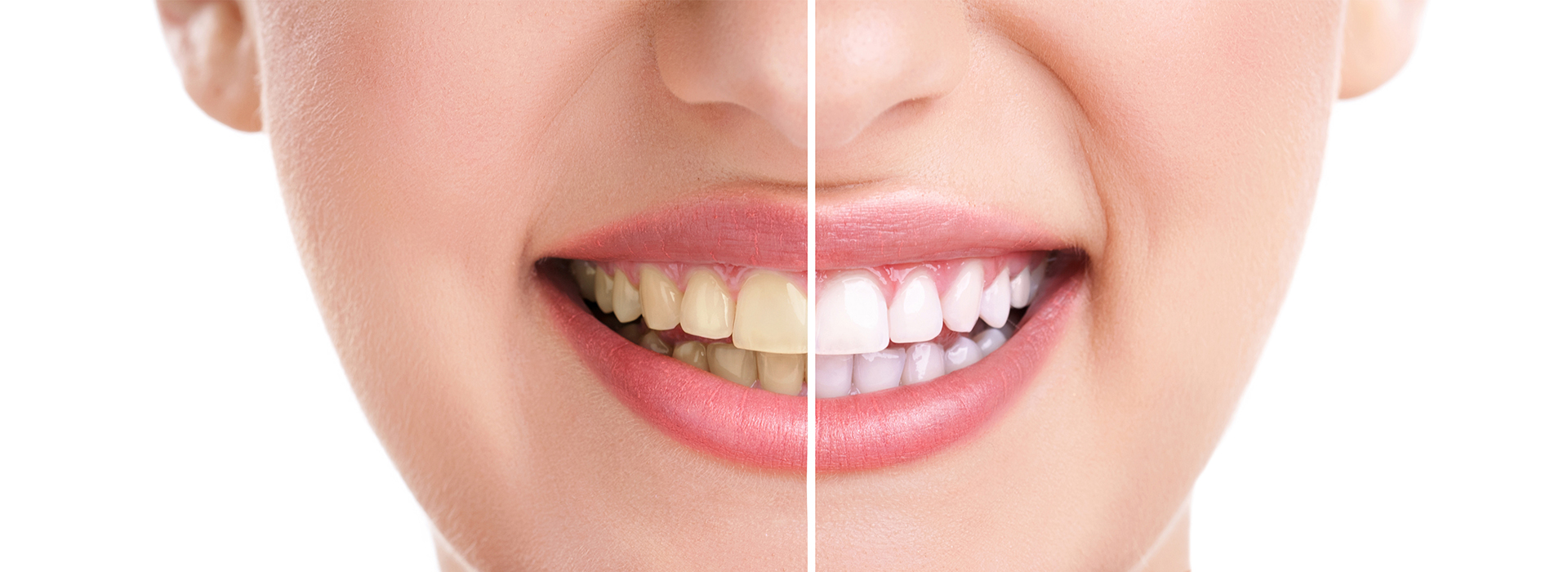
At Smile4Me Dental Care, Dr. Khaimov tailors every dental whitening treatment in Astoria to the patient's enamel condition, sensitivity history, and cosmetic goals. Patients who have struggled with sensitivity from OTC products often find that a professional approach, using custom trays and a carefully selected concentration, delivers better results with far less discomfort.
Before any whitening treatment, our trusted dentist in Astoria performs a full assessment to ensure there are no underlying issues that could amplify sensitivity. If you have pre-existing thinning enamel, receding gums, or a history of significant sensitivity, he will discuss the right approach for your specific situation rather than applying a standard protocol.
At Smile4Me Dental Care, we also offer flexible financing with up to 2 years of no interest, so professional-grade whitening and cosmetic care are genuinely accessible, not just an upgrade reserved for certain budgets.
Ready to whiten without the pain? Book an appointment with Dr. Khaimov at Smile4Me Dental Care, or call us at (718) 400-4400.
FAQs About Sensitive Teeth After Whitening
How long does tooth sensitivity last after whitening?
For most patients, sensitivity after teeth whitening resolves within 24 to 72 hours. If you used professional whitening, expect the shorter end of that range. OTC strips can leave sensitivity lingering for up to a week in some cases.
Is it normal for gums to hurt after whitening?
Mild gum irritation is common, particularly with OTC products, where the bleaching gel contacts soft tissue. It usually clears up within a few days. If your gums appear white, are swollen, or remain sore beyond that window, contact your dentist.
Can I whiten my teeth if I already have sensitive teeth?
Yes, but the approach matters. Patients with pre-existing sensitivity benefit most from professional whitening under a dentist's supervision, where concentration and timing can be adjusted. Desensitizing toothpaste used before and after treatment also helps substantially.
Does whitening damage tooth enamel permanently?
When done correctly and at appropriate intervals, whitening does not cause permanent enamel damage. The increase in permeability is temporary, and enamel remineralizes in the days following treatment. Over-whitening by using strips too frequently or at too high a concentration carries more risk.
What foods should I avoid right after teeth whitening?
For the first 48 hours, avoid anything hot, cold, or highly acidic: iced drinks, hot coffee or tea, citrus fruits, soda, and wine. Stick to room-temperature, non-acidic foods until the sensitivity subsides.