
The difference between a simple tooth extraction vs surgical extraction comes down to how visible and accessible the tooth is. A simple extraction removes a tooth that's fully erupted above the gumline, while a surgical extraction is needed for teeth that are broken, impacted, or trapped below the gum tissue or jawbone. Both procedures remove a damaged or problematic tooth, but the technique, anesthesia, and recovery process differ in ways that matter to how you prepare.
At Smile4Me Dental Care in Astoria, both are handled in-house, and urgent cases may even qualify for same-day tooth extraction. Below, we break down exactly what each procedure involves and how to know which one applies to you.
What Is a Simple Tooth Extraction?
A simple extraction is used when a tooth is fully visible above the gumline and has a healthy root structure. We numb the area with a local anesthetic, use an instrument called an elevator to loosen the tooth, and remove it with dental forceps. Most simple extractions take just a few minutes per tooth and don't require any incisions or stitches.
Common reasons for a simple extraction include:
Severe tooth decay: A tooth too damaged by cavities to be saved with a filling or crown.
Advanced gum disease: Periodontal disease that has loosened the tooth beyond repair.
Orthodontic crowding: Removing a tooth to create space for Invisalign or other alignment treatment.
Tooth decay remains extremely common; nearly 90% of adults between 20 and 64 have experienced decay in a permanent tooth, according to the National Institute of Dental and Craniofacial Research. That's why simple extractions are one of the more routine procedures we perform for patients across Queens.
What Is a Surgical Tooth Extraction?
A surgical extraction is required when a tooth can't be removed with a simple elevator-and-forceps approach. This typically means the tooth has broken off at the gumline, hasn't fully erupted, or is angled beneath the bone; wisdom teeth are the most common example. Surgical extractions involve a small incision in the gum tissue, and sometimes the tooth is sectioned into smaller pieces for removal. Stitches are usually placed afterward.
Situations that call for a surgical extraction include:
Impacted wisdom teeth: Teeth still trapped in the jawbone or gum tissue.
Fractured teeth: A tooth broken at or below the gumline with no visible crown to grip.
Curved or fused roots: Root shapes that won't release with standard extraction technique.
Because surgical extractions involve deeper tissue, we often recommend a combination of local anesthesia and sedation, depending on the case's complexity and your comfort level.
Simple Tooth Extraction vs Surgical Extraction: The Main Difference
While both procedures remove a problem tooth, the anesthesia, technique, and recovery timeline vary enough that it helps to see the differences side by side.
Factor | Simple Extraction | Surgical Extraction |
Tooth position | Fully visible above the gum | Broken, impacted, or below the gum |
Anesthesia | Local anesthetic | Local anesthetic, often with sedation |
Incision required | No | Yes, typically |
Stitches | Rarely | Usually |
Procedure time | A few minutes per tooth | 20–60 minutes, depending on complexity |
Recovery time | 2–3 days | 3–7 days |
Swelling and discomfort | Mild | Moderate, more likely to include swelling |
What the Procedure Looks Like for a Simple vs Surgical Dental Extraction
Since a simple extraction and a surgical extraction call for different techniques, the steps involved in each visit look noticeably different from start to finish.
What Happens During a Simple Extraction
A simple extraction removes a tooth that sits fully above the gumline, and it is usually over in a few minutes.
Numbing: The dentist numbs the area with a local anesthetic, so you feel pressure but not pain.
Loosening: A tool called an elevator gently rocks the tooth to widen the socket.
Removal: Forceps lift the tooth out in one piece.
Healing: You bite on gauze to form a clot, and the socket closes on its own.
What Happens During a Surgical Extraction
A surgical extraction is needed when the tooth cannot be reached directly, so the visit involves a few more steps.
Anesthesia: You get local anesthesia, with sedation available to keep you relaxed.
Incision: The dentist opens the gum tissue to expose the tooth and the surrounding bone.
Removal: A small piece of bone may come out, or the tooth may be split into sections and removed piece by piece.
Closing: The site is stitched closed, often with sutures that dissolve on their own.
When Does a Tooth Qualify as a Surgical Extraction?
A few clear signs tell us that a tooth needs a surgical approach rather than a simple one. If the tooth has broken off and there's little to no crown left to grip, if it hasn't fully come through the gum, or if an X-ray shows the root curves in a way that would cause it to fracture during a standard pull, we plan for a surgical extraction from the start. We always confirm this with a visual exam and imaging before your procedure, so there are no surprises on the day of treatment.
Which Extraction Is Right for You?
You won't need to self-diagnose which category your tooth falls into; that's what your exam is for. During your visit, we'll take X-rays, evaluate the tooth's position and root structure, and walk you through exactly what to expect. In general, a visible, intact tooth with a healthy root suggests a simple extraction, while a broken, impacted, or deeply rooted tooth suggests a surgical extraction. What matters most is choosing a dental team equipped to handle either scenario without sending you elsewhere.
Tooth Extraction Aftercare Tips
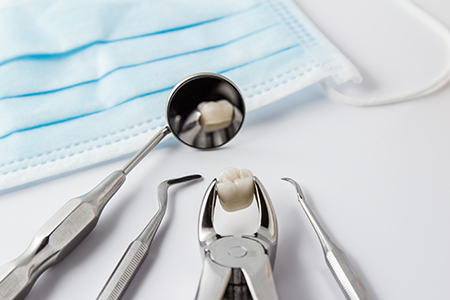
Bite on Gauze for the First Hour: This helps a stable blood clot form at the extraction site.
Stick to Soft Foods for 2-3 Days: Yogurt, soup, and mashed potatoes reduce strain on the area.
Avoid Straws and Smoking: Suction can dislodge the clot and lead to a painful dry socket.
Rinse Gently With Warm Salt Water After 24 Hours: This keeps the area clean without disturbing healing tissue.
Take Medication as Directed: Prescribed or recommended pain relievers help manage discomfort in the first few days.
If pain, swelling, or bleeding gets worse rather than better over the following days, don't wait it out. See an emergency dentist in Astoria right away, as that can signal an infection or a dry socket that needs prompt attention.
Preventing bone loss after an extraction is also worth discussing at your follow-up appointment, particularly if you're considering future options like a dental implant to replace the tooth.
How Smile4Me Handles Extractions in Astoria

At Smile4Me Dental Care, we understand that hearing you need an extraction can feel unsettling. That is why we keep your extraction care gentle and unhurried, from the first X-ray to the last stitch. Dr. Iosif Khaimov, trained at NYU, leads a team that handles everything from simple removals to complex surgical cases.
We also believe cost should never delay the care you need. For patients without matching insurance, interest-free financing is available for up to 2 years, so treatment never waits on a budget.
Schedule Your Extraction Consultation in Astoria
Whether your tooth needs a simple lift or a full surgical removal, the answer comes from an exam, not a guess. Both are routine procedures, and which one you need depends on the tooth itself.
If a tooth is bothering you, the sooner you have it looked at, the simpler the fix tends to be. A visit with our dentist in Astoria is all it takes to see which kind of extraction you need. Book an appointment with Smile4Me Dental Care or call (718) 400-4400, and let's take care of that tooth the right way.
FAQs About Simple and Surgical Extractions
Which is better, a simple or surgical extraction?
Neither is better on its own. The right one depends entirely on the tooth, and your dentist decides after an exam and an X-ray.
Is a surgical extraction more painful than a simple one?
Both are fully numbed, so you feel little during either procedure. A surgical case tends to bring more soreness and swelling afterward, though it stays manageable with proper aftercare.
How long before I can eat normally again?
You can ease back to a normal diet once chewing feels comfortable, often within a few days. In the first 24 hours, skip straws, smoking, and hot drinks so the clot can set.
Do I need to replace the tooth after it is removed?
Replacing a missing tooth helps protect your bite and jawbone over time. A bone graft placed at the extraction site can keep the option of an implant open later.