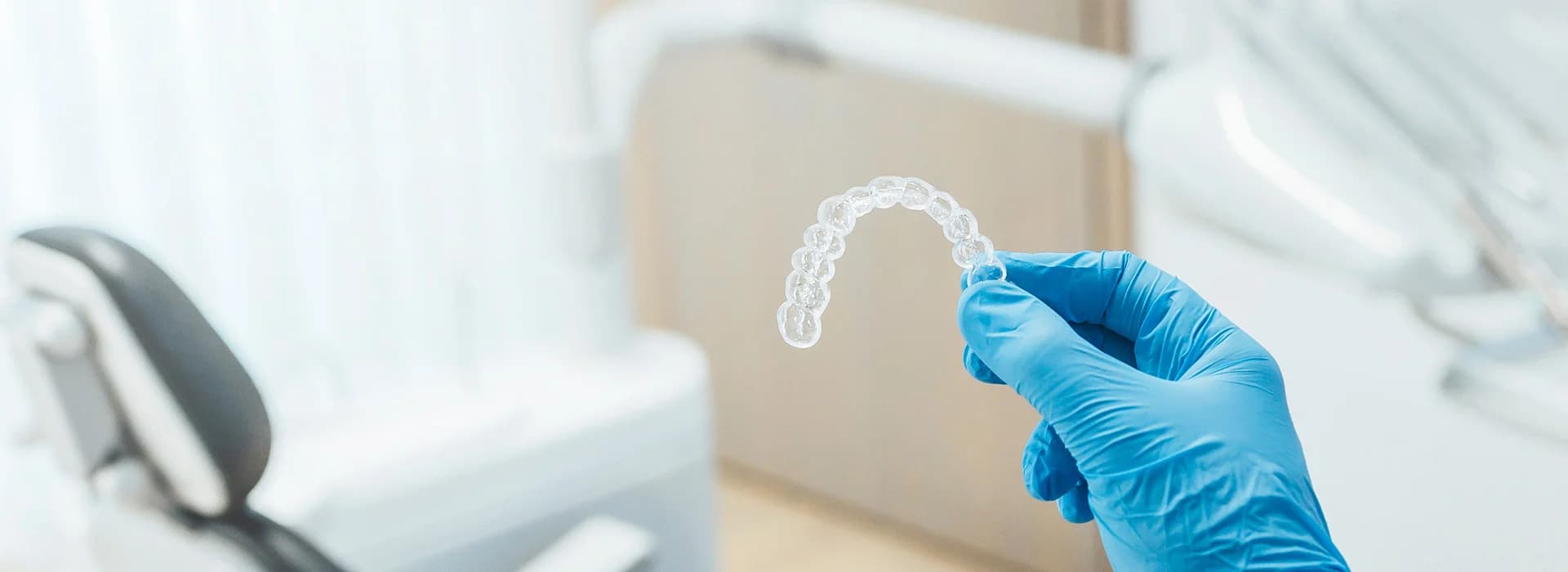
Yes, Invisalign is worth it for most patients who want straighter teeth without metal brackets and wires; but "worth it" depends on your case, your budget, and how disciplined you are about wearing your trays. Here's how we break it down for patients in Astoria and across Queens.
Is Invisalign Worth It? At a Glance
| Factor | What to Expect |
|---|---|
| Typical cost range | Roughly $3,000–$8,000 nationally, depending on case complexity |
| Treatment length | 3–6 months for minor cases, 12–18 months for moderate cases, up to 24 months for comprehensive cases |
| Comfort vs. braces | Generally less irritation; no brackets or wires to cut cheeks |
| Financing | We offer 2 years, 0% interest, which brings monthly cost down significantly |
| Best candidates | Mild-to-moderate crowding, spacing, and bite issues |
| Not ideal for | Severe skeletal bite problems or heavily impacted teeth |
How Invisalign Compares to Traditional Braces
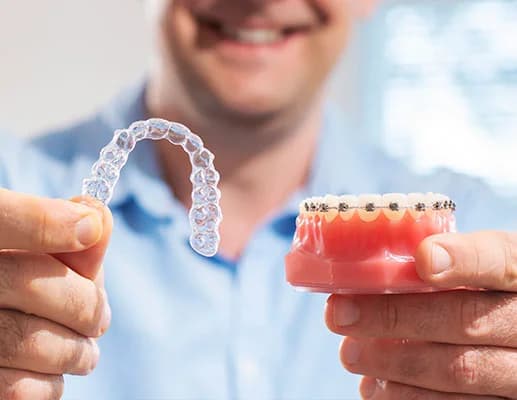
Invisalign uses a series of clear, custom-made, removable aligner trays instead of metal brackets and wires. You switch to a new tray roughly every one to two weeks as your teeth gradually shift into place. Because the trays come out, you can eat what you want and brush and floss normally, which patients say is the biggest quality-of-life difference.
Traditional braces still have an edge for severe crowding, significant vertical bite corrections, or heavily impacted teeth. For mild-to-moderate misalignment, Invisalign is often an equal or better option for comfort, appearance, and daily convenience.
What Invisalign Actually Costs
Nationally, Invisalign runs roughly $3,000 to $8,000, with the final number depending on how many trays your treatment plan requires and how complex your case is. That range is consistent across most published sources, so treat it as a starting point rather than a quote.
What changes the math for a lot of our patients is financing. We offer 2 years, 0% interest, which turns a high upfront cost into a manageable monthly payment; often the deciding factor for patients who assumed Invisalign was out of reach.
Is Invisalign Worth It for Adults?
Invisalign is especially popular with adult patients because it fits into professional and social life without drawing attention. You can remove your trays for a client meeting, a wedding, or a photo, and they're compatible with most existing dental work, including crowns and veneers. Adult patients also tend to have strong compliance, since they're self-motivated and understand what's at stake, which usually leads to smoother, more predictable outcomes than younger patients who forget to wear their trays.
What Real Patients Say
Patient experiences vary, and it's worth reading beyond marketing copy before deciding. In one r/Invisalign thread discussing whether treatment is worth it, a patient, Eikobot, described years of closed-mouth smiling in every photo out of embarrassment over their teeth, and said that despite real discomfort during the tooth-moving process, they'd go through treatment again just to feel confident smiling openly. It's a common theme in patient reports: the value shows up more in day-to-day confidence than in a single before-and-after photo.
We hear similar feedback from our own patients in Astoria: the biggest complaints are usually about the adjustment period after a new tray, not about the outcome.
Why Smile4Me is a Trusted Invisalign Provider in Astoria
Patients choosing a dentist in Astoria for Invisalign want more than a straight smile; they want a team that can handle whatever comes up along the way, without pushing them elsewhere:
✓ Comprehensive care under one roof: We built Smile4Me so patients don't have to bounce between specialists. The same team that plans your Invisalign treatment also handles crowns, fillings, and same-day emergency dental care in Astoria, so if something comes up mid-treatment, you won't have to start over with a referral elsewhere.
✓ A real clinical opinion, not a mail-order kit: Every Invisalign case starts with an in-person consultation and digital scan. You get an actual assessment of whether Invisalign fits your case before you commit to anything.
✓ Financing that removes the biggest barrier: We offer 2 years at 0% interest, which is often the deciding factor for patients who assumed Invisalign wasn't in reach.
✓ Same-day availability for patients already in treatment: Dental issues don't wait for a schedule, so we keep room open for patients who run into a problem partway through Invisalign.
✓ Convenient to reach: Our office sits on Steinway Street in Astoria, a five-minute walk from the Steinway St subway station, and we see patients from across Queens and the wider NYC area. Most new patients book online in a few minutes instead of waiting for a callback.
About Our Dentist in Astoria
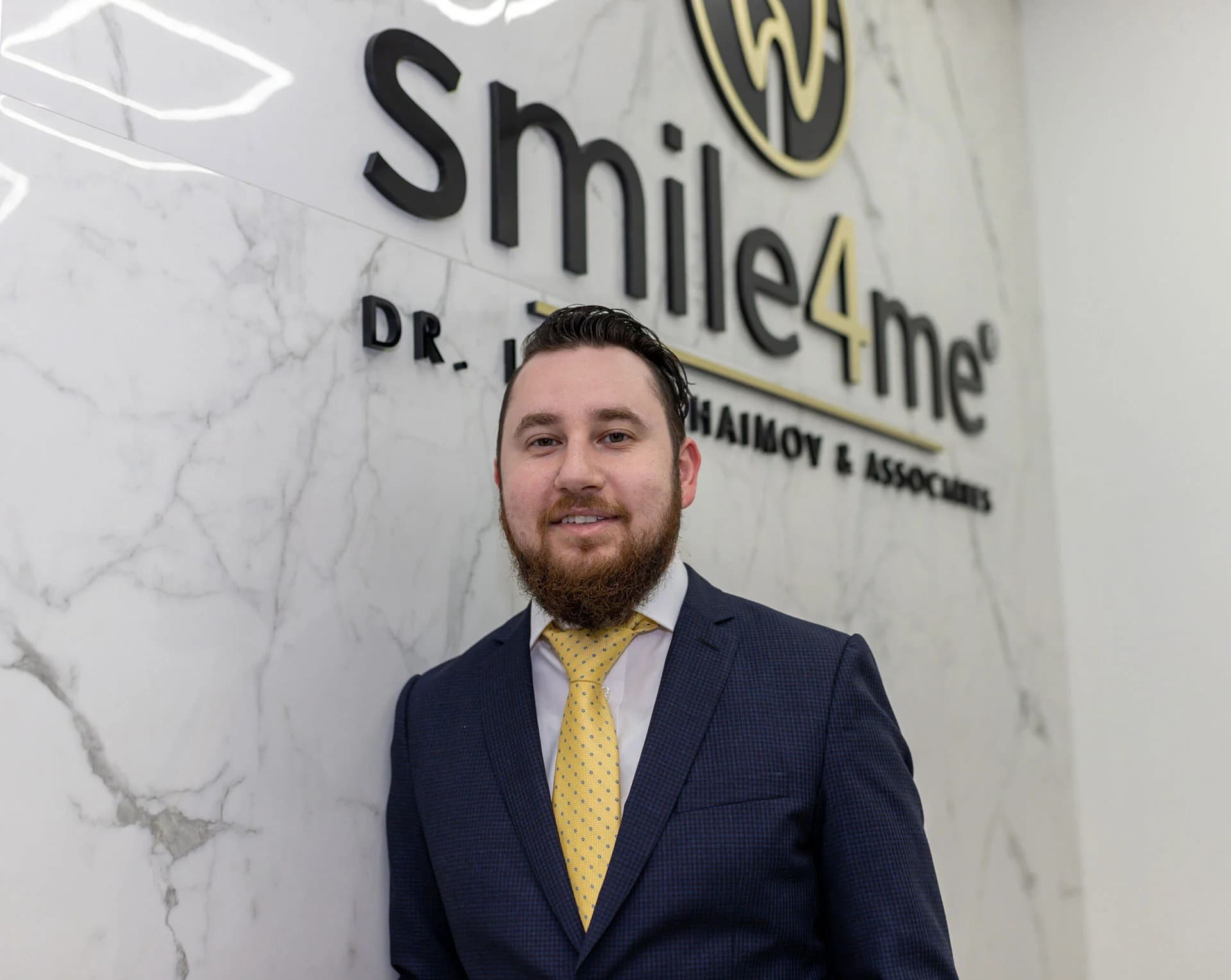
Dr. Iosif Khaimov is a graduate of NYU's College of Dentistry with over seven years of hands-on patient care experience across NYC dental practices. He founded Smile4Me to bring personalized, technology-driven dentistry to the Astoria community, with a focus on emergency and cosmetic dentistry, dental implants, Invisalign, and general care. Dr. Khaimov regularly attends continuing education courses and dental conferences to stay current on the latest techniques, so every oral exam reflects the most up-to-date standards of care.
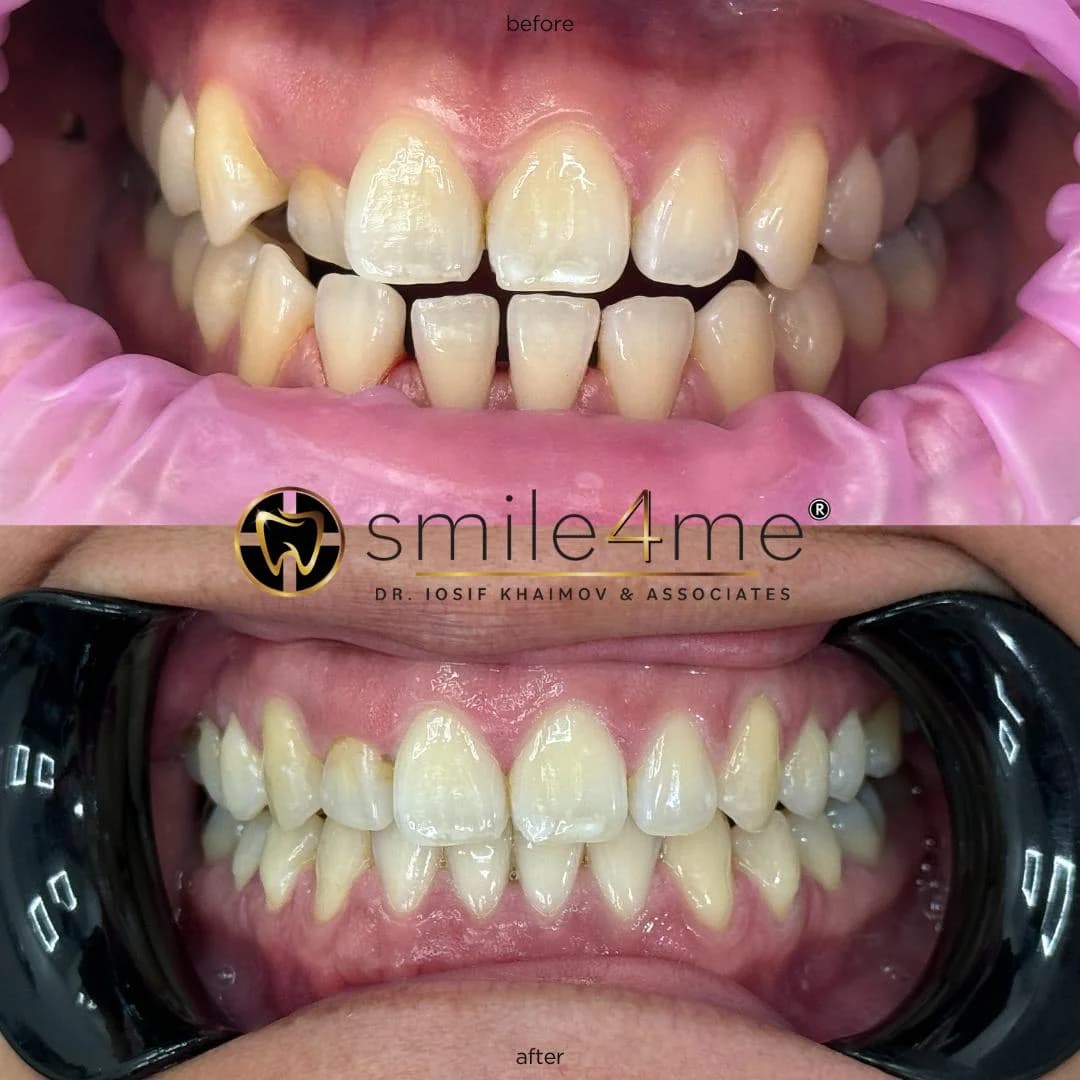
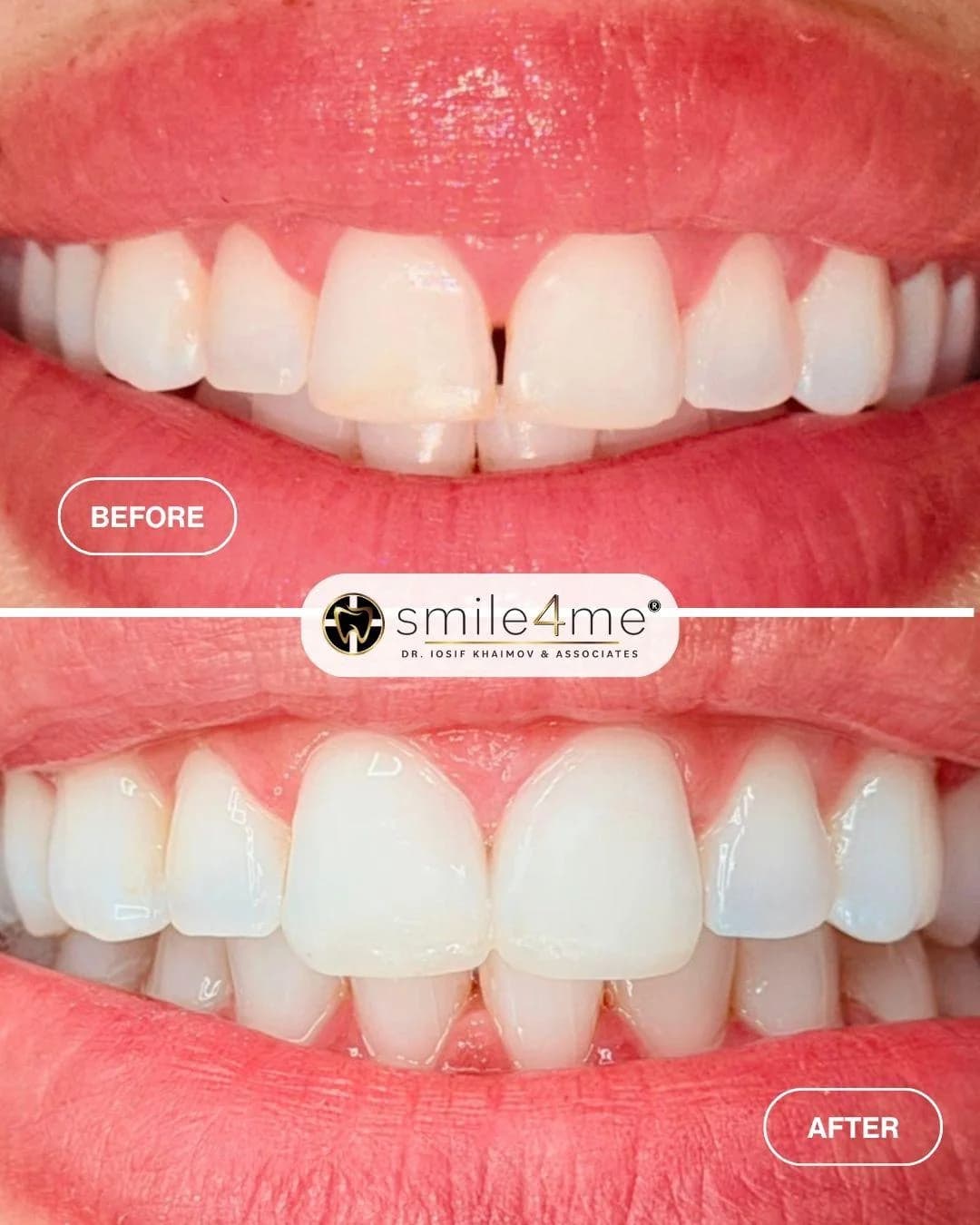
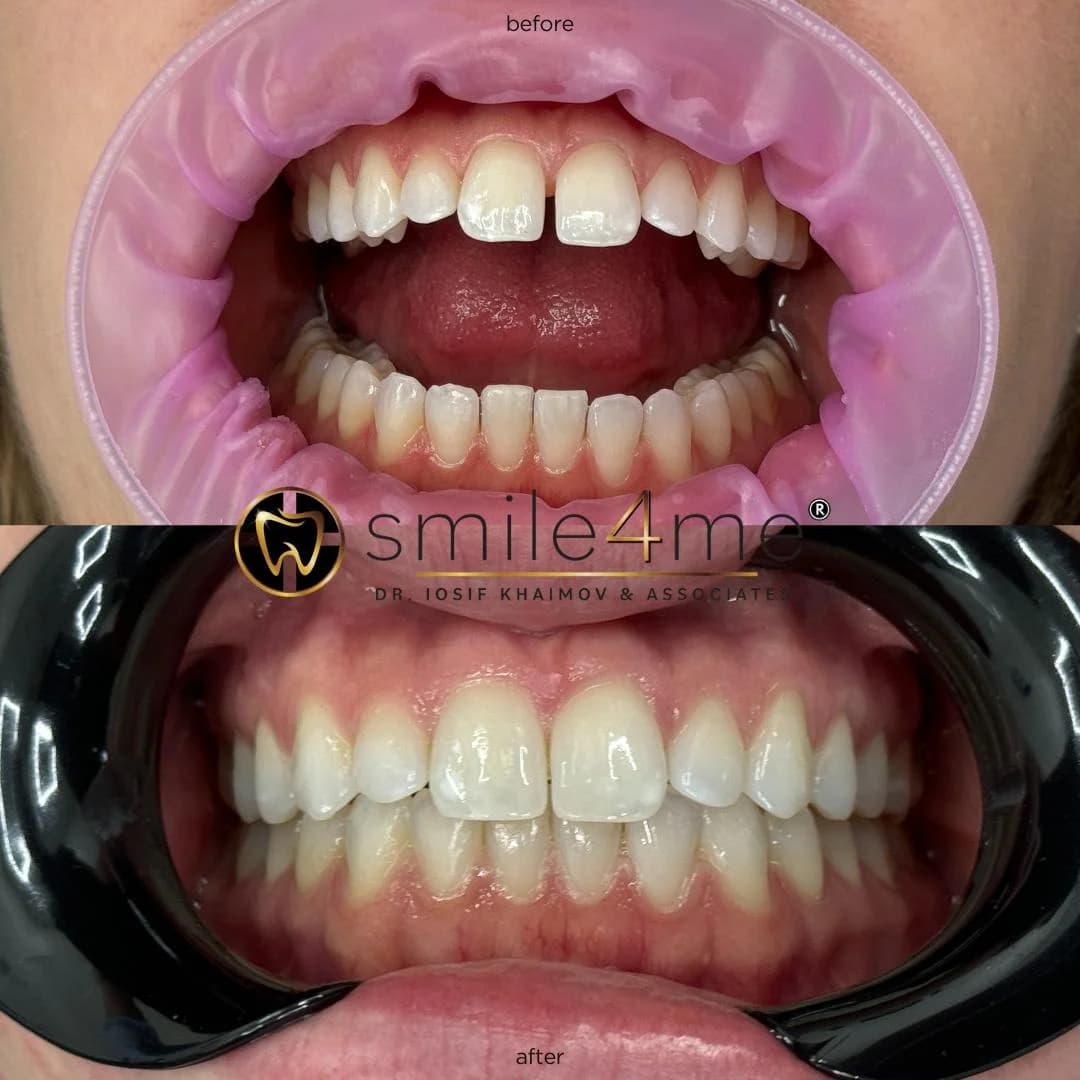
Before and After Photos: See Why Invisalign Is Worth It
Real results speak louder than any promise we could make, so take a look at how Invisalign has transformed smiles for patients right here in Astoria.
Ready to Find Out if Invisalign Is Worth It for You?
Invisalign in Astoria works well for most patients with mild-to-moderate crowding, spacing, or bite issues; it's less painful than braces, fits into daily life without drawing attention, and with 2 years, 0% interest financing, it's more affordable than most patients expect. The only way to know for sure is with an in-person scan, since severe cases may still call for traditional braces or a combined approach.
If you're ready to see where your smile stands, book an appointment online, or call us at (718) 400-4400 to talk it through first.