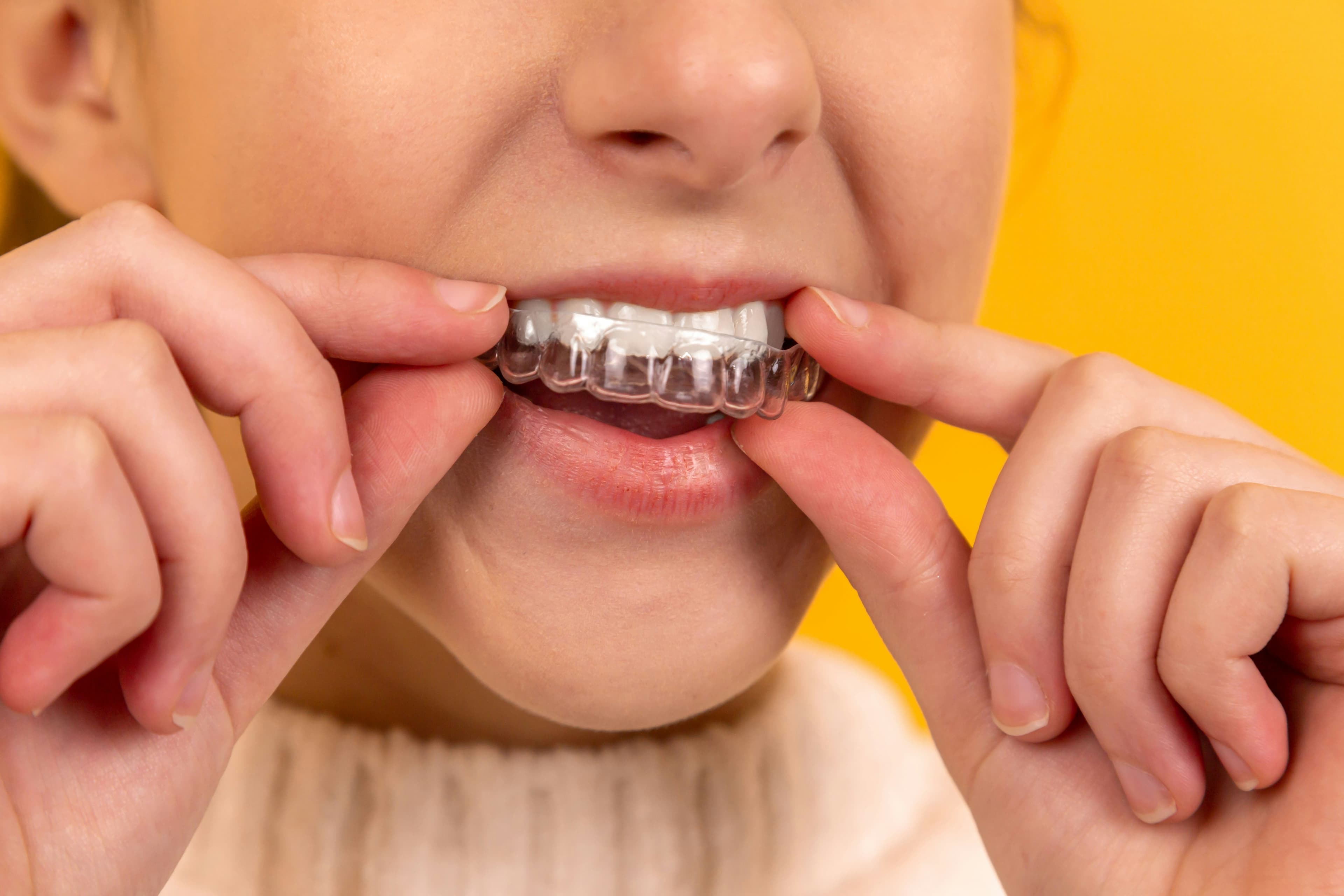
A straighter smile doesn’t come from just one path, and for many people, Invisalign isn’t always the perfect fit. Whether it’s cost, lifestyle, or the complexity of your case, it’s completely normal to start exploring cheaper alternatives to Invisalign that can still deliver strong, lasting results. In fact, some options may be better suited for certain alignment issues or personal preferences.
The good news is that modern dentistry offers several effective solutions, from discreet fixed options to more budget-friendly treatments, all designed to move teeth safely and predictably. Understanding how each one works can make your decision much easier.
This guide breaks down five of the most reliable alternatives and how to choose the right one for your smile.
Key Takeaways
Fixed Braces Offer Stronger Control: Traditional and self-ligating braces apply continuous pressure, making them more reliable for severe crowding and bite correction.
Discreet Options Still Require Trade-Offs: Ceramic and lingual braces improve appearance but may involve higher cost, maintenance, or an adjustment period.
Lower-Cost Options Have Limitations: At-home aligners can address minor spacing issues, but the lack of supervision may reduce precision in complex cases.
Treatment Success Depends on Consistency: Removable options rely heavily on daily wear habits, while fixed treatments remove that variable entirely.
Smile4Me Dental Care Aligns Treatment to You: Detailed evaluations, flexible options, and guided care ensure your treatment matches your case, goals, and budget.
What Are the Best Alternatives to Invisalign?
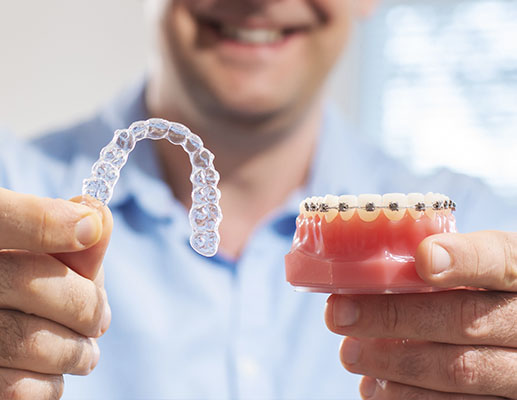
There are several orthodontic treatments designed to straighten teeth, each offering a different balance of visibility, control, and convenience depending on your needs. The right choice often comes down to how complex your case is, how involved you want your treatment to be, and what kind of experience you’re looking for day-to-day.
Traditional Braces
Traditional braces use metal brackets and wires to gradually move teeth into proper alignment with consistent pressure. Because they are fixed in place, they work around the clock without relying on patient compliance. This makes them especially effective for more complex issues like severe crowding or bite misalignment. While they are more noticeable, they are often the most predictable option for achieving long-term results.
RELATED: Invisalign vs Braces: A Deep Dive into the Pros & Cons
Ceramic Braces
Ceramic braces function similarly to metal braces but use tooth-colored or clear brackets for a less noticeable appearance. They are a popular choice for patients who want effective treatment without the full visibility of traditional braces. These braces can handle many of the same alignment concerns, including moderate crowding and spacing issues. However, they do require careful maintenance, as the brackets can stain if oral hygiene is not consistent.
Lingual Braces
Lingual braces are placed on the inside surface of the teeth, making them hidden from view when you smile. They provide the same continuous force as traditional braces but offer a more discreet treatment option. Because of their placement, they can take some time to get used to and may temporarily affect speech. Despite this adjustment period, they remain a strong option for those who want effective treatment without visible hardware.
At-Home Clear Aligners
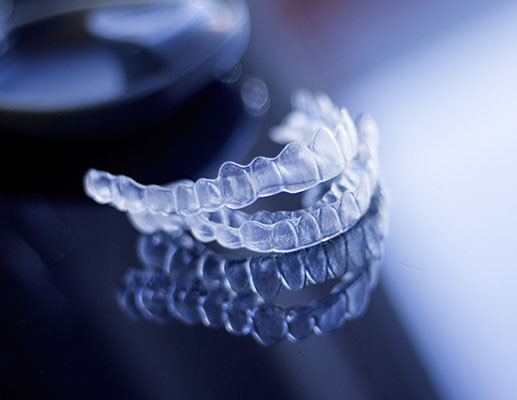
At-home clear aligners use removable trays to shift teeth gradually, similar in concept to in-office aligners. They are often chosen for their convenience and lower upfront cost, as they typically require fewer in-person visits. These systems can work well for mild cases, such as minor spacing or slight crowding. However, they may not provide the same level of precision or supervision needed for more complex dental concerns.
Self-Ligating Braces
Self-ligating braces are a modern variation of traditional braces that use a built-in clip instead of elastic bands to hold the wire in place. This design reduces friction and can make adjustments feel smoother over time. They still offer the strength and control needed to treat a wide range of alignment issues. While they are still visible, many patients find them a more comfortable and efficient option than conventional braces.
Is There a Cheaper Alternative to Invisalign?
Cost is one of the main reasons people look into other treatment options. While clear aligners are convenient, they aren’t always the most budget-friendly choice, especially for longer or more complex cases. The good news is that several options offer an affordable alternative to Invisalign without sacrificing results. These are the best ones:
Traditional Braces: Often the most cost-effective option, especially for more involved cases
Ceramic Braces: A slightly more discreet option that can still be competitively priced
At-Home Aligners: Lower upfront cost, but typically limited to minor corrections
It’s important to think beyond just the price tag. Some treatments may seem cheaper at first, but could require additional corrections later if they don’t fully address your needs. In many cases, choosing the right treatment from the start can save both time and money in the long run.
How to Choose the Right Alternative for You
Finding the best alternative to Invisalign starts with understanding how different treatments align with your specific needs, not just what looks appealing at first glance. The decision becomes much clearer when you consider how your case, timeline, preferences, and budget come together.
Case Complexity
Not all alignment issues are the same, and the severity of your case plays a major role in what will actually work. Mild spacing or slight crowding can often be corrected with simpler methods, while more advanced cases require stronger, more controlled movement. Bite issues like overbites or crossbites typically need fixed solutions that apply consistent pressure over time. Choosing a treatment that matches your case complexity helps avoid delays, setbacks, or incomplete results.
Treatment Duration
Every orthodontic option comes with a different timeline, and that timeline often depends on how your teeth respond to movement. Some treatments are designed for gradual, steady progress, while others may work more efficiently for complex corrections. Consistency also matters; fixed options work continuously, while removable ones depend on daily wear habits. Understanding how long you’re willing to commit can help narrow down what makes the most sense for you.
Aesthetic Preference
For many patients, how the treatment looks during the process is just as important as the final result. Some prefer nearly invisible options, especially in professional or social settings, while others prioritize effectiveness over appearance. Some options blend in more naturally with your teeth, while others are completely hidden solutions placed behind them. Finding the right balance between discretion and performance can make the experience much more comfortable.
Budget Considerations
Cost is often a deciding factor, but it’s important to consider more than just the upfront price. Some treatments may seem more affordable initially, but may not provide the level of correction needed for lasting results. Others may require a higher investment but deliver more comprehensive outcomes. Looking at long-term value and available financing options can help you make a decision that fits both your needs and your budget.
Switching From Invisalign Mid-Treatment: What You Should Know
Switching treatments partway through your orthodontic journey is more common than you might think, especially when results aren’t progressing as expected or your needs change. It’s not a failure; it’s simply an adjustment to make sure your outcome is done right. The key is understanding that your teeth have already started moving, so any transition needs to be carefully planned to avoid setbacks.
There are a few common reasons patients decide to make the switch:
Slower progress than expected
Difficulty keeping up with consistent wear time
New or more complex bite issues are becoming noticeable
Before making any changes, your dentist will reassess your current position. This usually involves updated scans and a closer look at how your teeth have shifted so far. From there, a new plan can be created to continue moving your teeth efficiently using a different method.
It’s also important to understand how switching can impact your overall treatment:
Timeline adjustments depending on your current progress
Possible need for new appliances or attachments
Changes in cost based on the updated plan
While it may feel like a step back, switching can actually move you closer to better results. The goal is always the same: proper alignment, a healthy bite, and long-term stability, no matter which treatment gets you there.
Explore Advanced Orthodontic Options at Smile4Me Dental Care
At Smile4Me Dental Care, we focus on helping you find the right path to a straighter, healthier smile with solutions that actually fit your life. Whether you’re considering clear aligners or braces, every treatment is tailored to your specific alignment, bite, and long-term goals. As a trusted dentist in Astoria, we take the time to guide you through your options so you feel confident in your decision from day one.
Our approach combines experience, technology, and a clear understanding of what works best for each patient:
Customized Smile Planning: We start with detailed digital scans and a full evaluation of your teeth and bite. This allows us to build a treatment plan that is precise, realistic, and designed for long-term success.
Invisalign and Braces Expertise: We specialize in both clear aligners and braces, providing you with the right solution for your case, not just a one-size-fits-all option. This flexibility ensures better outcomes and a smoother treatment experience.
Flexible Payment Options: We offer financing solutions to make treatment more manageable without compromising on quality. This helps you move forward with care that fits your budget and your goals.
From your first consultation to your final results, our team is here to support you every step of the way. The goal isn’t just straighter teeth; it’s a result that feels natural, functional, and built to last.
Final Words on Alternative Options to Invisalign
There’s no single “right” way to straighten your teeth; only the option that works best for your specific needs, lifestyle, and long-term goals. From traditional braces that handle complex cases to more discreet solutions that fit into your daily routine, each approach offers its own advantages when chosen thoughtfully. The key is not just achieving straighter teeth, but improving your bite, comfort, and overall oral health in a way that lasts.
If you’re unsure which direction to take, that’s completely normal, and it’s exactly where expert guidance makes all the difference. Book an appointment with Smile4Me Dental Care today to get a personalized plan and take the next step toward a confident, healthy smile.