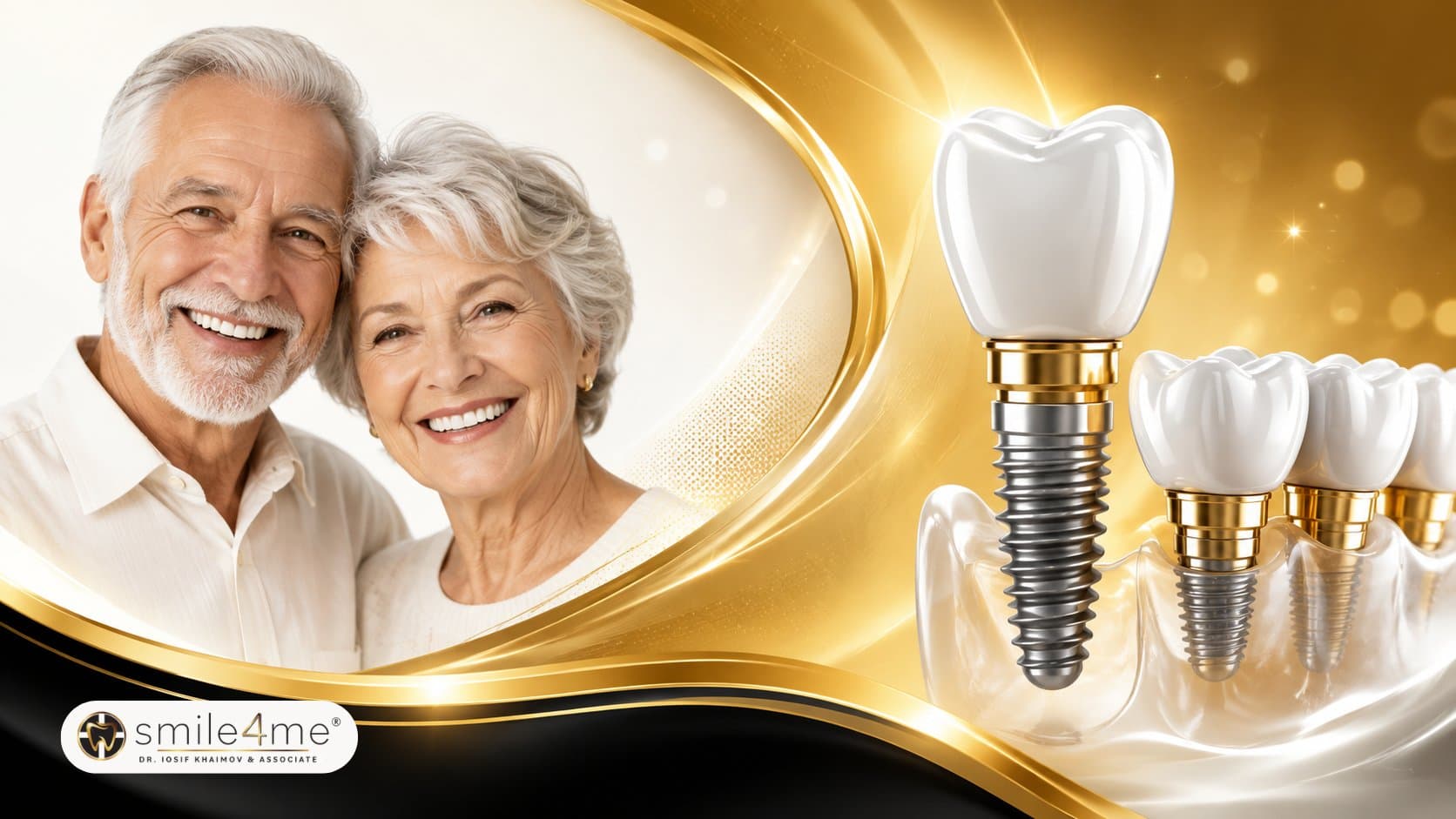
Yes, dental implants are safe and effective for most seniors, including those in their 70s and 80s, as long as they have healthy gums and enough bone density to support the implant; age alone is never a disqualifying factor. At Smile4Me Dental Care in Astoria, we've placed dental implants for seniors well into their later years, and the results speak for themselves: better chewing, a fuller smile, and the kind of confidence that comes from teeth that actually feel like your own.
If you've been putting off this decision because you assumed you were "too old," this guide will walk you through exactly what to consider.
Are Dental Implants Right for Seniors?
Tooth loss becomes more common with age. In fact, about 15% of seniors aged 65 and older have no remaining natural teeth, according to NIDCR tooth loss data, yet implants are placed far less often in that age group than younger patients, a gap that usually comes down to misinformation, not medical reality.
A few factors matter more than age when it comes to candidacy:
Gum health: Healthy, infection-free gums give the implant a stable foundation to bond with the jawbone.
Bone density: Enough jawbone volume is needed to anchor the implant, though bone grafting can often solve this if density has decreased.
Chronic conditions: Well-managed diabetes, osteoporosis, or heart conditions typically don't rule out implants; they just mean your treatment plan should be coordinated with your physician.
Smoking history: Smoking slows healing, so quitting (or cutting back) before surgery improves your odds of success.
The best way to know for sure is a consultation. Dr. Iosif Khaimov, a graduate of NYU College of Dentistry with more than seven years of experience treating patients across Queens, evaluates each senior patient individually rather than applying a blanket age cutoff.
Dental Implants vs. Dentures: Which Makes More Sense for You?
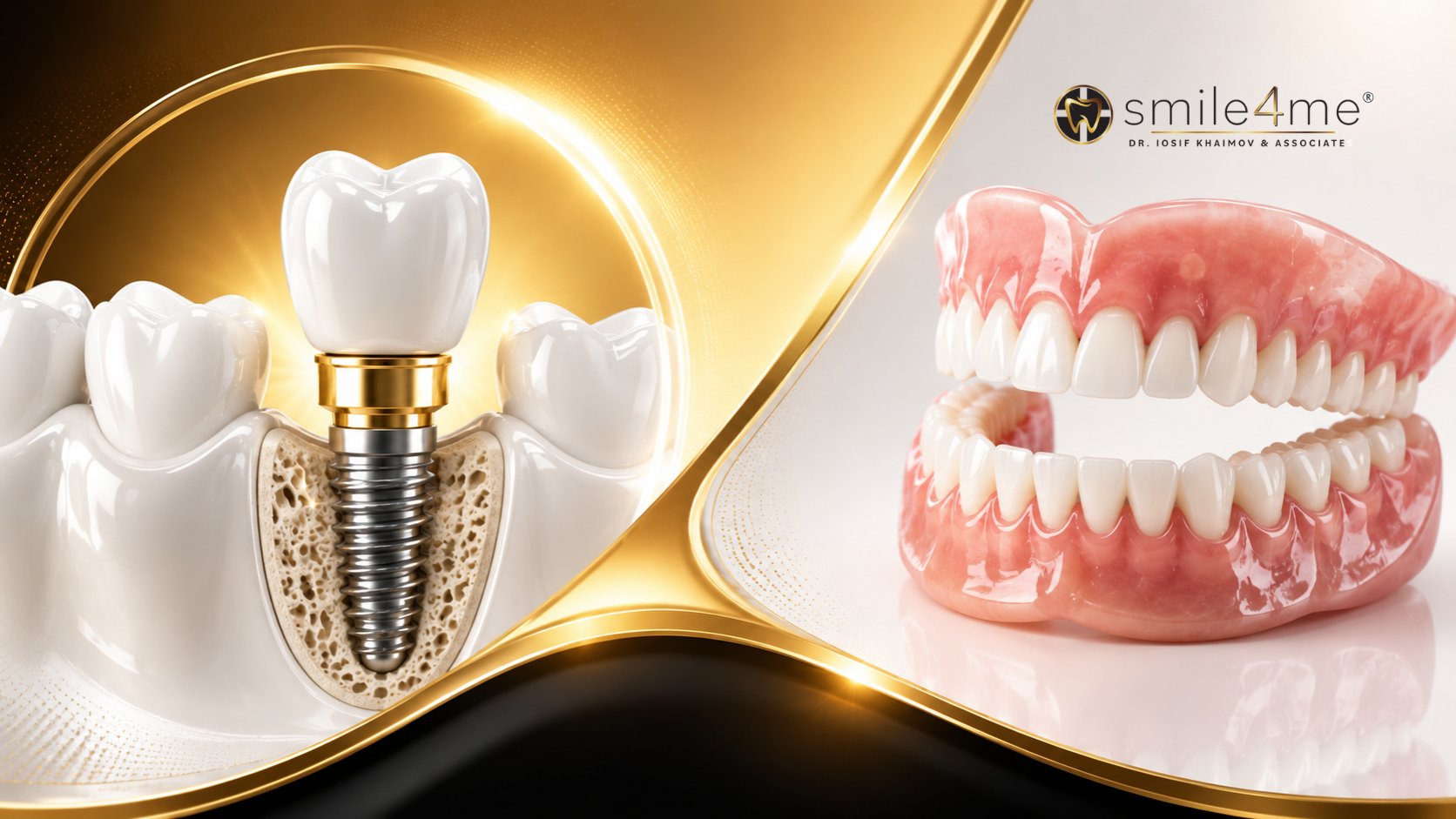
Both options replace missing teeth, but they solve the problem in very different ways. Implants replace the tooth root itself, which is why they tend to hold up better over time than dentures, which sit on top of the gums. The right fit usually comes down to your bone health, budget, and how much daily upkeep you're comfortable with.
Factor | Dental implants | Dentures |
Upfront cost | Higher | Lower |
Surgery required | Yes | No |
Stability while eating/speaking | Fixed in place | Can shift |
Bone preservation | Yes | No |
Typical lifespan | Decades with proper care | Often relined or replaced every 5-7 years |
Daily maintenance | Brush and floss like natural teeth | Remove, clean, and soak nightly |
A Middle Ground: All-on-4 and All-on-6
Regarding dental implants for seniors who've lost most or all of their teeth, full-arch implant treatment offers many of the same benefits as individual implants without needing one implant per missing tooth. All-on-4 and All-on-6 anchor a full arch of replacement teeth with just four to six implants, often completed in fewer visits than replacing teeth one at a time.
For seniors who want long-term stability and are in reasonably good oral health, implants tend to outperform dentures on comfort and function. For seniors with significant bone loss or who prefer a non-surgical route, dentures remain a legitimate option. This is a conversation worth having directly with your dentist rather than deciding from a search result.
Real Benefits Seniors Notice After Getting Implants
Beyond appearance, seniors consistently report improvements that affect daily life.
Eating Without Restrictions: A full range of foods is back on the table since implants restore nearly natural chewing strength.
Clearer Speech: Missing teeth and shifting dentures can affect pronunciation, while implants stay fixed in place like natural teeth.
Slower Bone Loss: Implants help preserve jawbone density over time, unlike leaving gaps unaddressed, which accelerates deterioration.
Natural Facial Shape: Preserving bone structure helps prevent the sunken look that often accompanies long-term tooth loss.
How Much Do Dental Implants for Seniors Cost?
Cost is usually the biggest hesitation we hear from senior patients, and it's a fair concern. Implants are a larger upfront investment than dentures, but they don't need to be replaced or relined every few years, as dentures often do.
At Smile4Me, we offer financing with up to 2 years at 0% interest, so the cost of implants, All-on-6 treatment, or a full-mouth reconstruction can be spread out to fit your monthly budget rather than requiring a lump sum. This is one of the main reasons Astoria patients choose us over larger implant chains: you get personalized, in-house care without the pressure of paying everything at once.
What to Expect: Procedure and Recovery for Seniors
Initial consultation: We evaluate bone density, gum health, and your full medical history to confirm candidacy and build a treatment plan.
Implant placement: A titanium post is placed into the jawbone under local anesthesia; most patients describe the discomfort as similar to a tooth extraction.
Healing period: Osseointegration, where the implant fuses with the bone, typically takes three to six months. This can take slightly longer for seniors with lower bone density, which is factored into your timeline.
Final restoration: Once the area has healed, a custom crown is placed to complete the process.
Same-day and All-on-6 options can shorten this timeline significantly for seniors who want fewer procedures and less time in the chair.
Why Seniors Choose Smile4Me for Dental Implants
Implant treatment isn't a one-size-fits-all procedure, and that matters most for senior patients, who often have more health factors to account for.
Personalized Evaluation from an Experienced Dentist
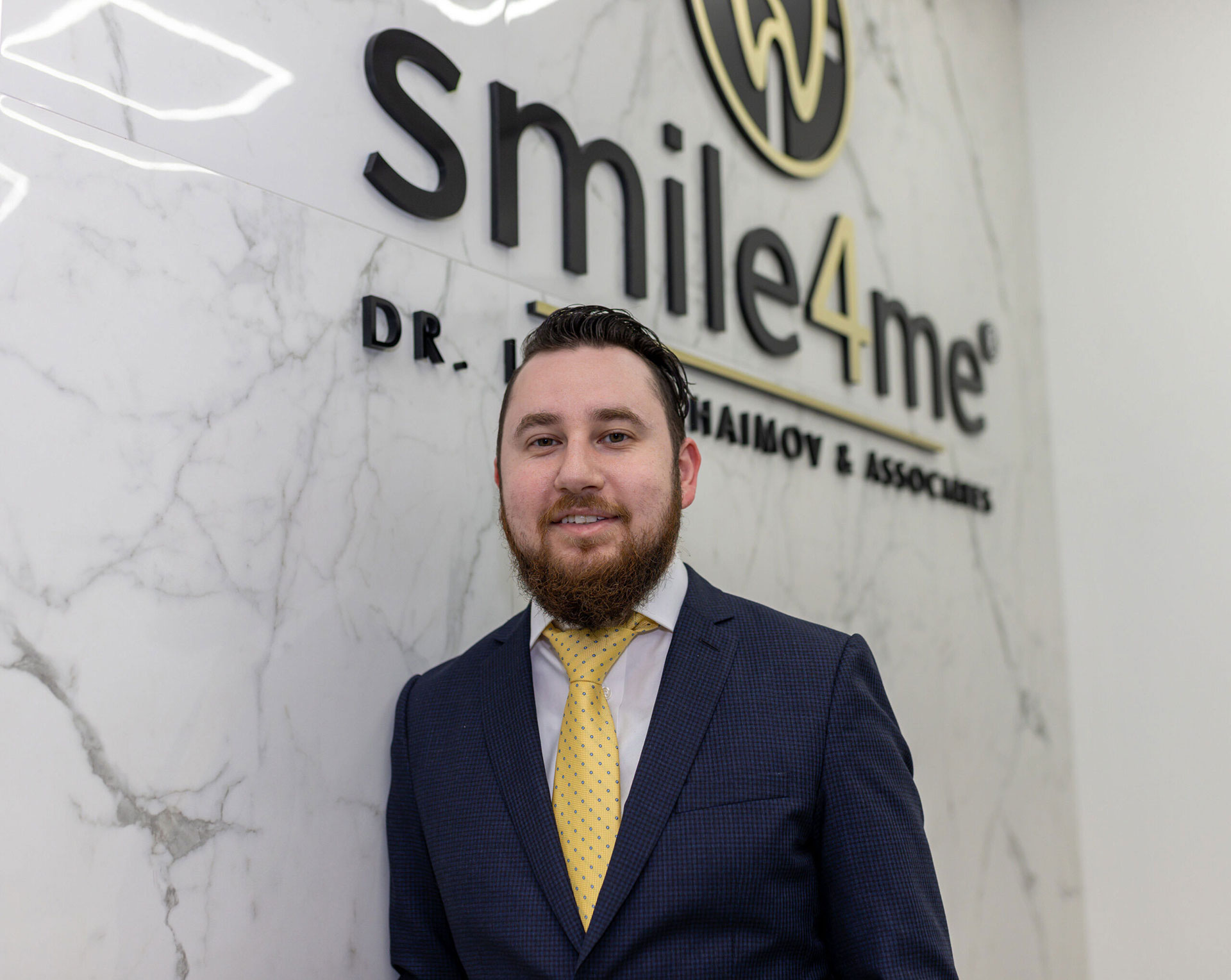
Dr. Iosif Khaimov, a graduate of NYU College of Dentistry with more than seven years of hands-on experience, personally evaluates every implant candidate rather than relying on a generic age-based checklist.
A Range of Implant Options to Fit Your Needs
Whether you need to replace a single tooth or restore a full arch, we offer options for dental implants in Astoria tailored to your needs, including single-tooth implants, same-day implants, and full-arch solutions such as All-on-4 and All-on-6. This means your treatment plan is built around what your mouth actually needs, not a one-size-fits-all approach.
Comprehensive In-House Care
Your implant consultation, placement, and follow-up all stay with one team rather than being passed among outside specialists. For Astoria patients, that also means fewer trips across Queens and a dental team that already knows your full health history at every visit.
Financing Built for Fixed and Retirement Budgets
With financing available for up to 2 years at 0% interest, we've made it possible for seniors on a fixed or retirement budget to move forward with treatment without draining their savings all at once.
Schedule An Appointment Today!
The only way to know for certain whether implants are right for you is to consult with Dr. Khaimov, where we'll assess your bone health, discuss financing options, and build a plan around your goals. And if you're dealing with a broken tooth, infection, or other urgent issue in the meantime, our team also provides same-day care as an emergency dentist in Astoria; you don't have to wait for a scheduled visit if something comes up.
Book an appointment or call us at (718) 400-4400 to start the conversation.
FAQs About Dental Implants for Seniors
Are dental implants safe for seniors?
Yes. Implant surgery is a well-established, minimally invasive procedure, and age itself doesn't increase surgical risk. What matters most is your overall health going into treatment, which is why we evaluate every senior patient individually.
How long do dental implants last for seniors?
With proper care, implants can last decades, often a lifetime, since the titanium post fuses directly with the jawbone. This is one of the biggest differences from dentures, which typically need relining or replacement every five to seven years.
Can seniors with osteoporosis or diabetes get dental implants?
In many cases, yes. Well-managed osteoporosis or diabetes doesn't automatically rule out implants; it just means your treatment plan should be coordinated with your physician to confirm your bone health and healing capacity beforehand.
Does Medicare cover dental implants for seniors?
Original Medicare generally does not cover dental implants, since it excludes most routine dental care. Some Medicare Advantage plans include partial dental benefits, and many PPO dental insurance plans cover a portion of implant treatment, particularly the restorative crown. Our dentist in Astoria accepts most PPO plans and will walk you through what your specific plan covers before any treatment begins.