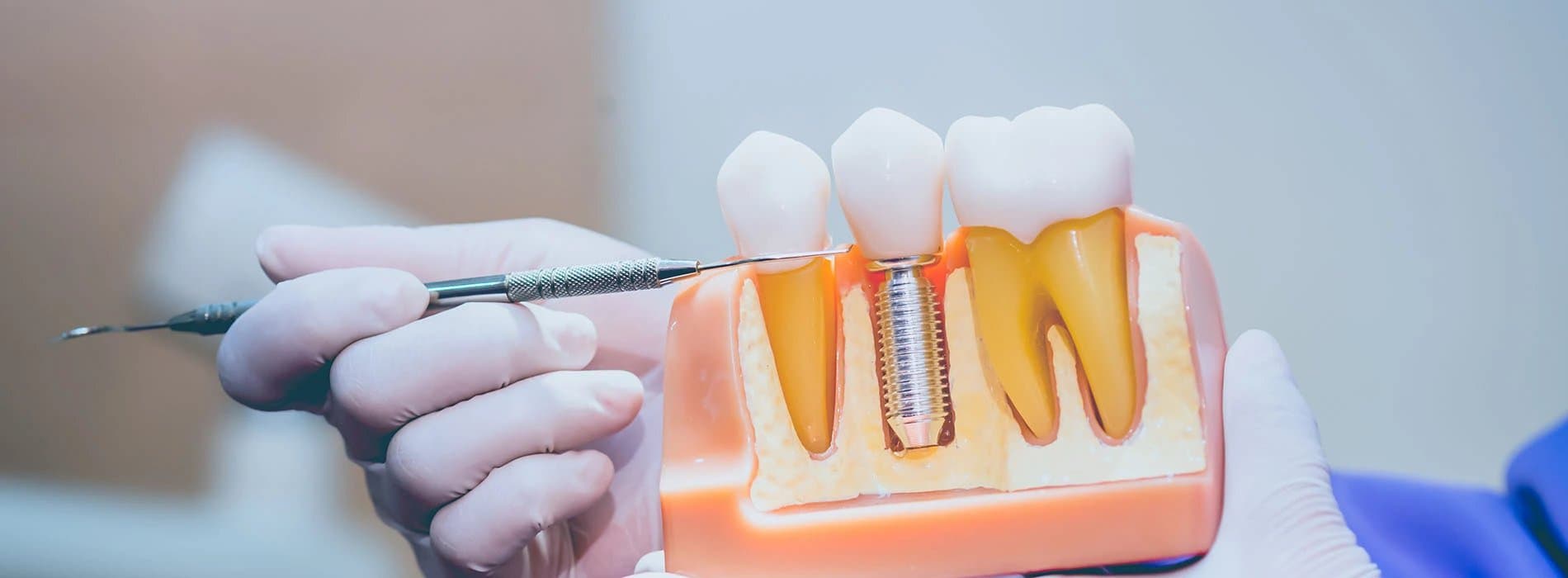
Are dental implants safe? Yes, dental implants are safe for the vast majority of healthy adults, with consistent high success rates and decades of clinical evidence behind them. For most patients, the risks are low and well understood, with different types of dental implants available to suit a wide range of clinical needs and situations.
Implants are among the most thoroughly studied and reliable tooth-replacement options available. This guide covers what the evidence actually shows, what can go wrong, and how to determine if implants are the right choice for you.
Are Dental Implants Safe For Everyone?
Dental implants are safe and well-established, but candidacy depends on the patient's overall health and bone structure. Certain conditions require attention before moving forward:
Insufficient Bone Density: Patients with significant bone loss may require a bone graft before placement can be performed.
Uncontrolled Diabetes: Poor blood sugar management impairs healing and raises the risk of implant failure.
Active Gum Disease: Untreated periodontal disease needs to be resolved before an implant can be placed successfully.
Smoking: Long-term smoking compromises the gum tissue and bone that hold the implant in place.
None of these are automatically disqualifying; most can be addressed with the right treatment plan before moving forward.
Clinical Evidence Behind the Safety of Dental Implants
The research on implant safety is extensive. A long-term study published in PMC tracked 10,871 dental implants for up to 22.2 years, documenting their performance and making implants one of the most studied tooth-replacement options.
Research published in PMC also projects that dental implant prevalence could reach 23% of the U.S. population by 2026, reflecting growing confidence in the procedure. Together, these studies confirm that for well-selected candidates, implants deliver consistently strong outcomes that patients and clinicians can rely on.
What Are the Potential Risks You Should Know?
No surgical procedure is completely risk-free, and implants are no exception. So understanding what can go wrong helps you reduce those odds significantly.
Peri-Implantitis
Peri-implantitis is an infection of the gum and bone tissue surrounding the implant, similar to gum disease around natural teeth. Consistent oral hygiene and regular dental visits are the most effective prevention.
Implant Failure
Some implants fail to bond properly with the jawbone, particularly in patients with low bone density, smokers, or those who return to hard foods too early in recovery. Emergency warning signs include persistent pain, implant movement, or swelling weeks after placement.
How Technology Makes Implant Placement Safer Than Ever
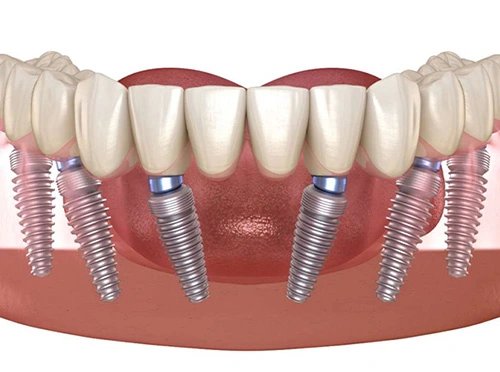
Modern technology has made implants safe and effective in ways not possible a generation ago. Before any incision is made, 3D cone beam CT imaging allows the dentist to map bone density, nerve positions, and sinus anatomy in precise detail, reducing the chance of nerve damage or sinus perforation.
Computer-guided surgical templates, fabricated from digital scans, direct the implant to the exact planned angle and depth. Digital planning software also allows patients to preview expected outcomes before the procedure begins. These tools are now standard practice among qualified implant providers.
Are Dental Implants Long-Lasting for Most Patients?
Dental implants are designed to last a lifetime. The titanium post rarely needs replacement; the crown on top typically lasts 15 to 20 years before needing attention. Compare that to bridges, which average 10 to 15 years, or to dentures, which often require refitting every 5 to 7 years.
Longevity is itself a safety measure: fewer repeat procedures mean fewer opportunities for complications. Implants also preserve the jawbone by stimulating it as natural tooth roots do, preventing the bone loss that accelerates facial aging after tooth loss.
How to Care for Implants to Keep Them Safe Long-Term
Caring for dental implants is straightforward, but consistency is what separates a 10-year implant from a lifetime one. With proper implant maintenance, you will protect the gum and bone tissue surrounding the implant, which, unlike the crown itself, remains fully vulnerable to infection:
Daily Flossing Around the Implant: Implant-specific floss or a water flosser reaches the contours of the implant base far better than standard floss.
Twice-Daily Brushing With a Soft-Bristled Brush: Abrasive brushing can scratch the crown's surface over time, creating spots where bacteria can settle.
Biannual Professional Cleanings: A hygienist removes buildup that home care can't reach and catches early signs of infection before they escalate.
Avoiding Smoking Long-Term: Smoking reduces blood flow to the gums, leaving implant tissue more vulnerable to infection long after healing.
Patients who stay consistent with these habits genuinely do see implants last 20 years or more, some for a lifetime.
How Safety Is Built Into Every Smile4Me Implant
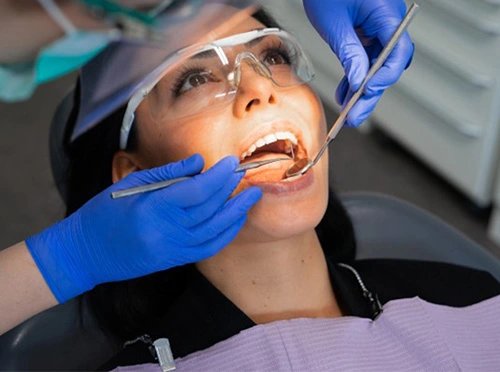
At Smile4Me Dental Care, safety is built into every implant through careful planning, advanced imaging, and a detailed medical review before treatment begins. As a trusted dentist in Astoria, we focus on ensuring every patient is fully assessed so that implant placement is predictable, stable, and low-risk from the start.
Our team maps your jaw with precision to guide accurate implant positioning and support proper healing. This reduces complications and helps ensure long-term success, while our clinical protocols maintain strict standards throughout the entire procedure.
Final Thoughts on the Safety of Dental Implants
Dental implants are a safe, well-established solution for replacing missing teeth when properly planned and maintained. Most risks are minimal and well understood, especially when patients are carefully evaluated, and the procedure is carried out to the appropriate clinical standards.
If you're considering implants or unsure whether they're right for you, book an appointment for clear, personalized guidance. If you're experiencing sudden pain or swelling after treatment, reach out for an emergency dentist in Astoria as early as possible.
Are Dental Implants Safe? FAQs
What happens if an implant fails?
In many cases, the implant can be removed, the area allowed to heal, and a new implant placed successfully.
Can implants get infected?
The implant itself cannot decay, but the surrounding tissue can develop infection, making consistent oral hygiene essential.
Is there an age requirement for dental implants?
Implants are recommended for fully developed adults, with no upper age limit for patients in reasonable health with adequate bone density.