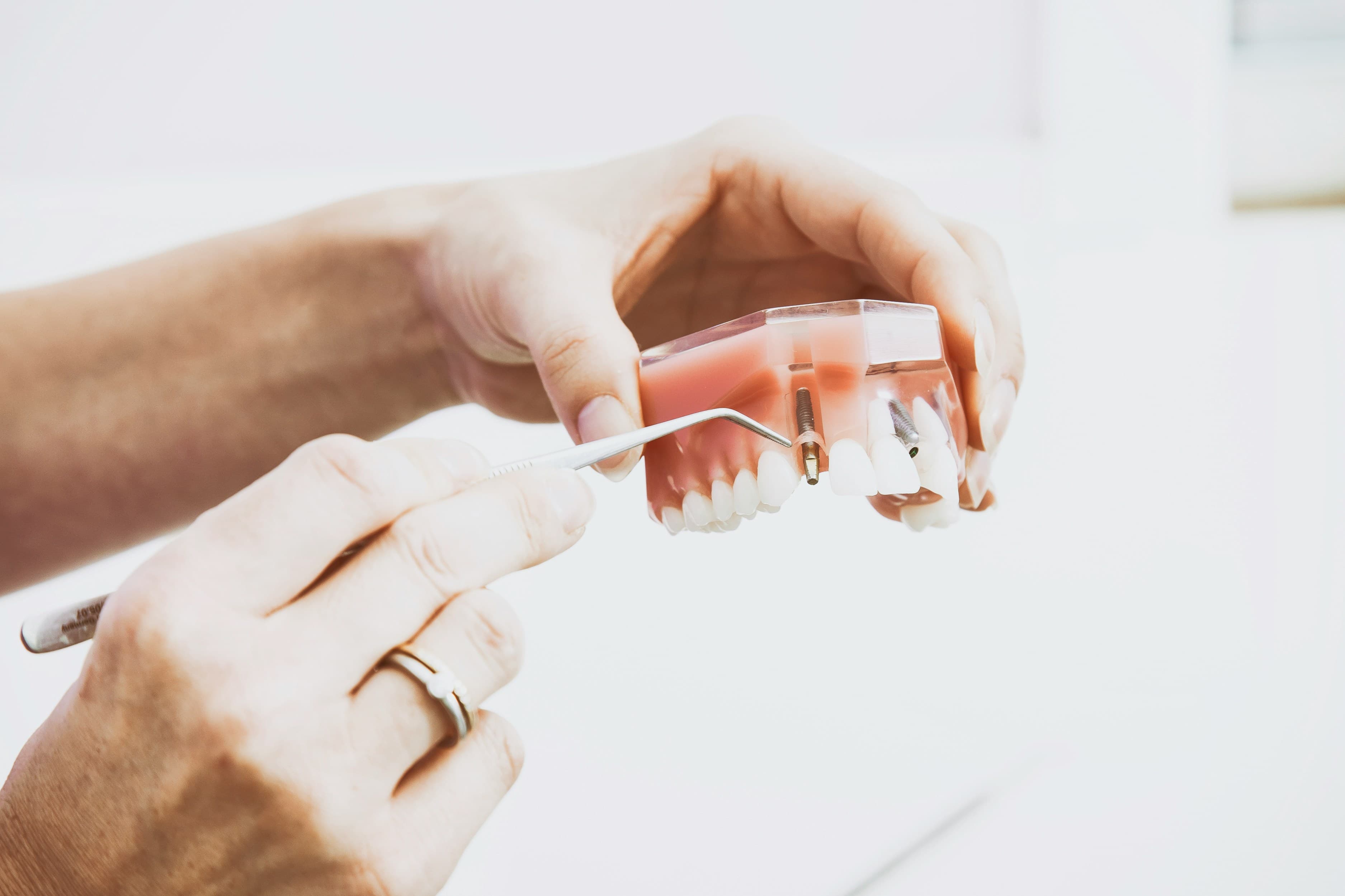
Missing teeth don’t just affect how your smile looks; they impact how you eat, speak, and feel day to day. That’s why understanding your options matters, especially when it comes to the various dental implants available today, and they can improve your oral health.
Many patients are surprised to learn how many variations exist and how much the right choice depends on their specific situation. Knowing how to identify the different types of dental implants can help you ask better questions, avoid unnecessary procedures, and feel confident in your treatment plan.
This guide breaks everything down in a simple, practical way so you know exactly what to expect.
What Are the Different Types of Dental Implants Available?
Each implant type serves a specific purpose based on bone structure, health factors, and restoration goals.
Endosteal Implants
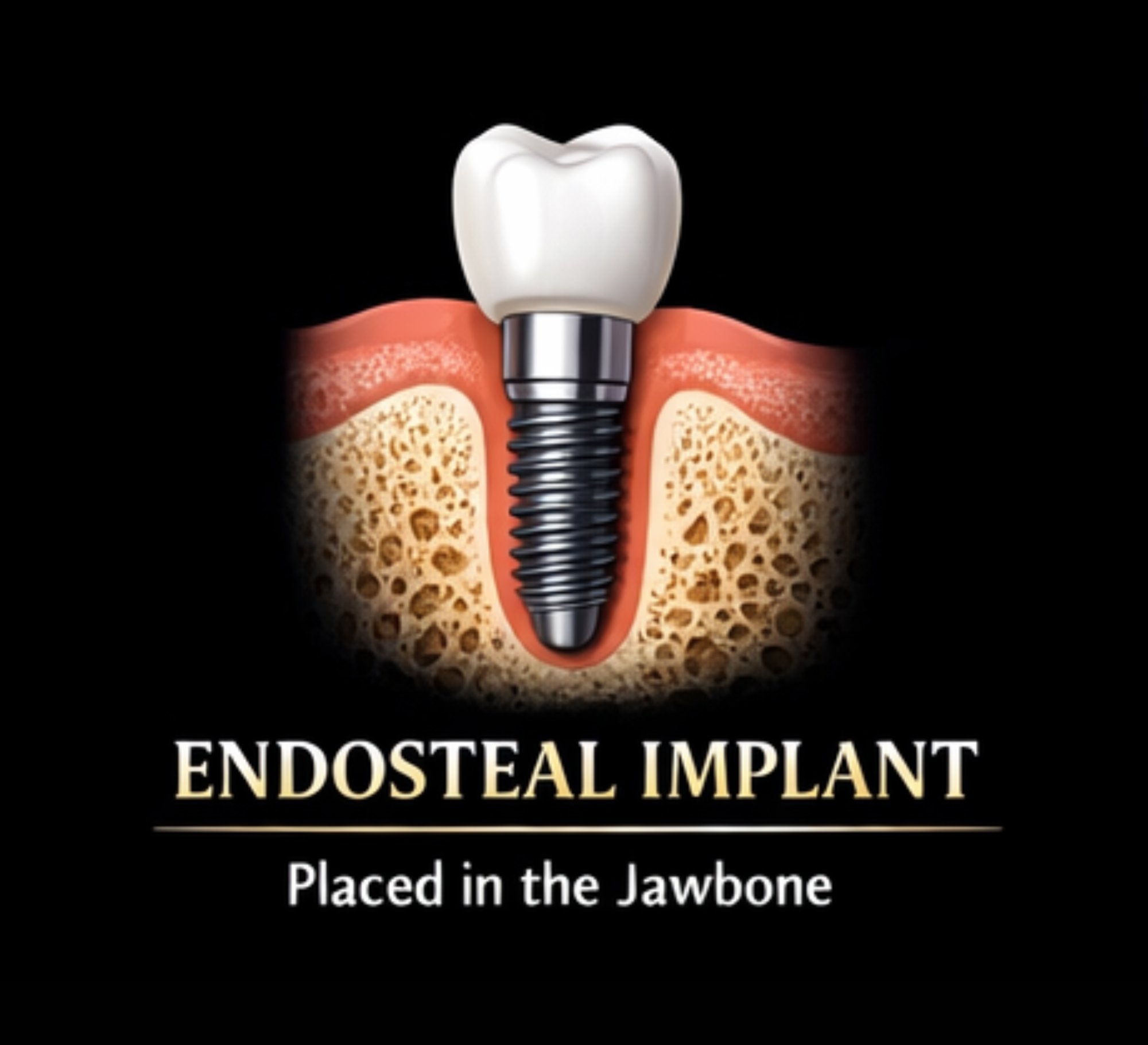
Endosteal implants are the standard choice, representing the vast majority of placements today. These screw-shaped titanium posts are inserted directly into the jawbone and come in screw, cylinder, and blade subtypes; the screw form being most common.
Ideal candidates are healthy adults with adequate jawbone height and density and no active gum disease. After placement, the implant requires three to six months of osseointegration before a permanent crown is attached.
Subperiosteal Implants
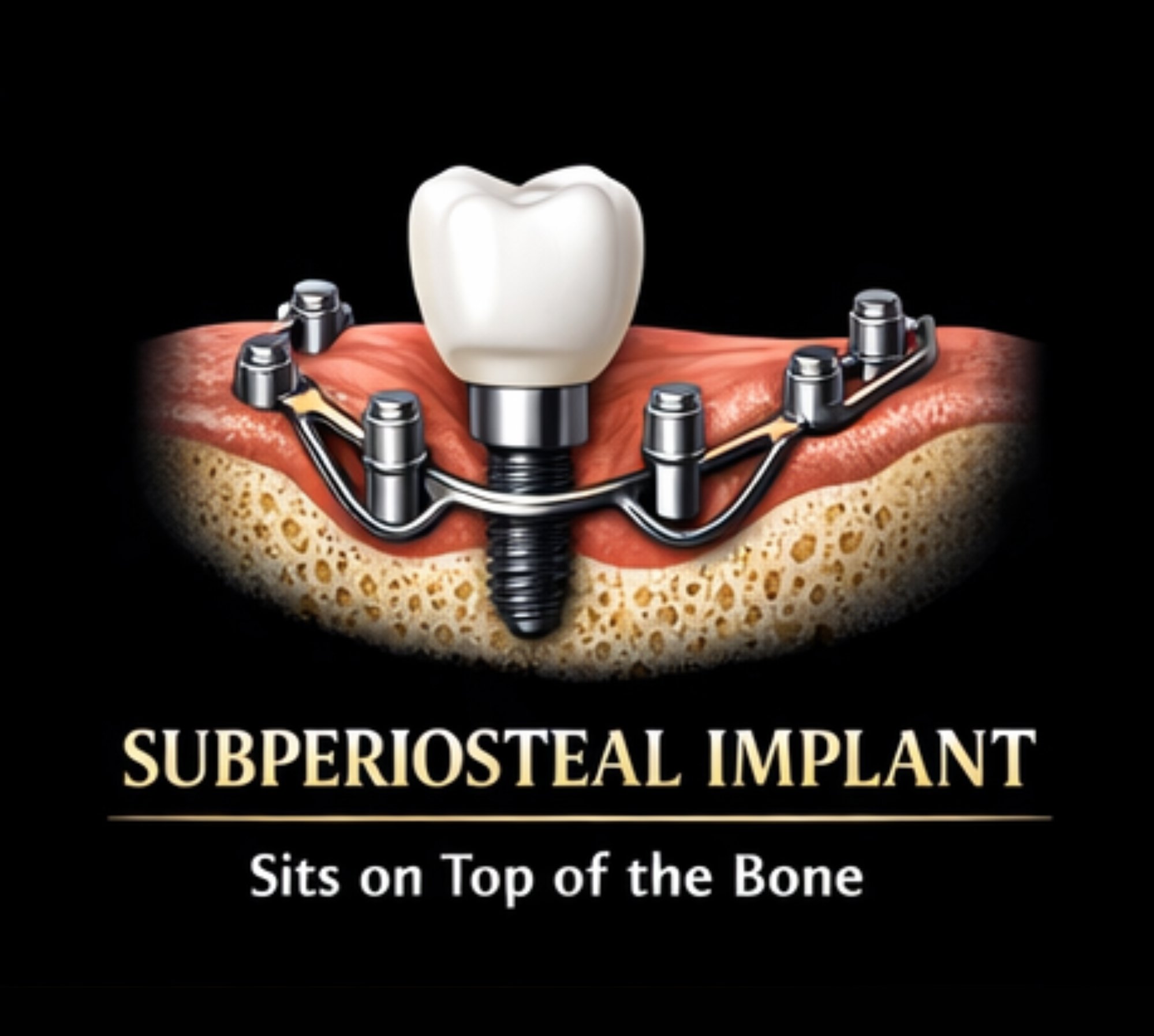
Subperiosteal implants sit on top of the jawbone rather than inside it, resting beneath the gum tissue and held by a custom metal framework. They were once a common alternative for patients lacking sufficient bone depth.
Today, they are rarely used. Advances in bone grafting and the availability of zygomatic implants have made them largely obsolete. They may still be considered for patients who cannot tolerate grafting due to medical conditions or severely resorbed bone.
Zygomatic Implants
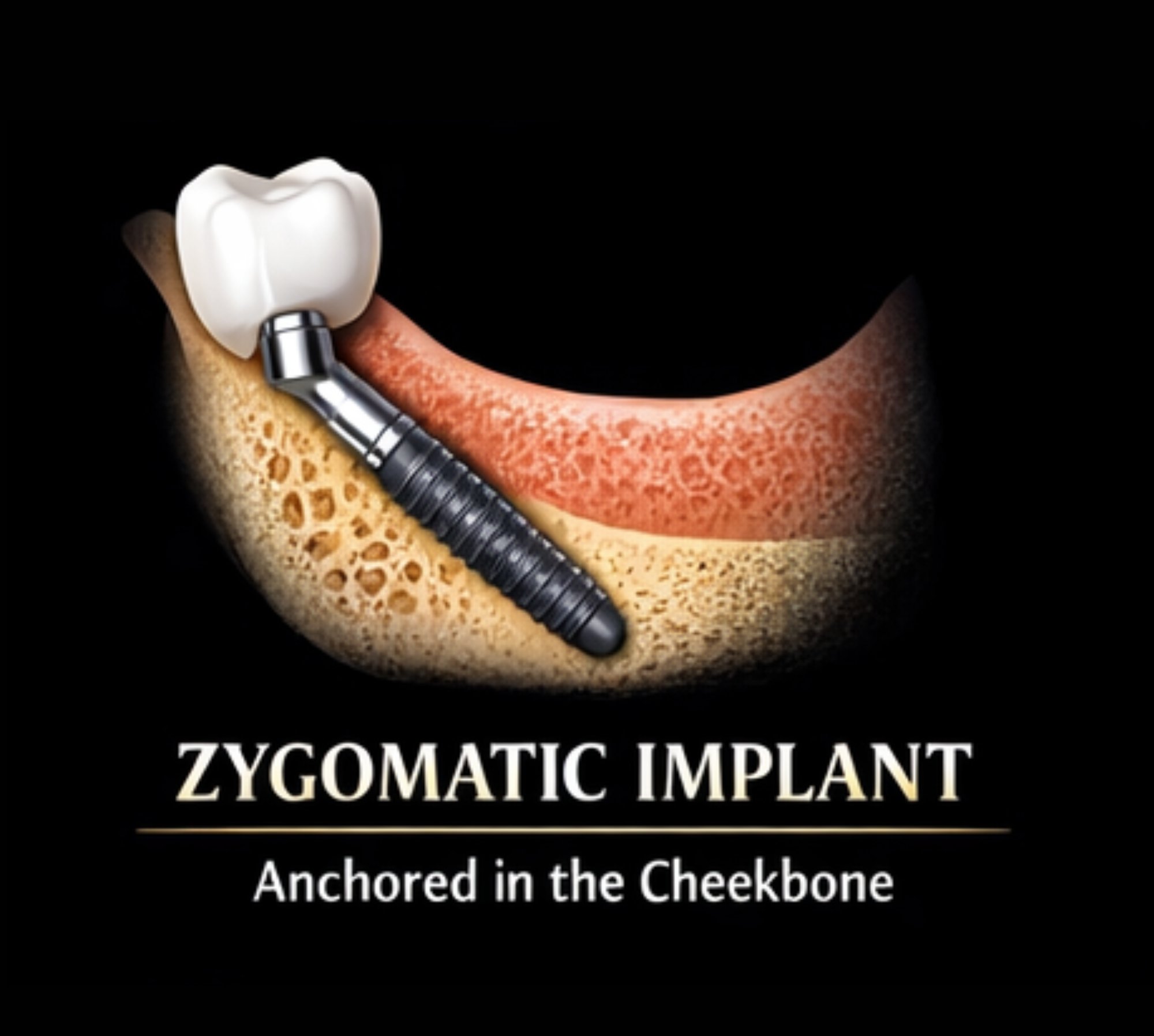
Zygomatic implants are longer than standard implants and anchor into the cheekbone (the zygoma) rather than the upper jaw. They are chosen when the upper jaw has experienced severe bone loss that makes standard placement impossible, even with grafting.
Because of their complexity, zygomatic implants require an oral or maxillofacial surgeon and carry higher costs and longer timelines. However, they represent an important solution for patients previously told they were not implant candidates at all.
Mini Dental Implants
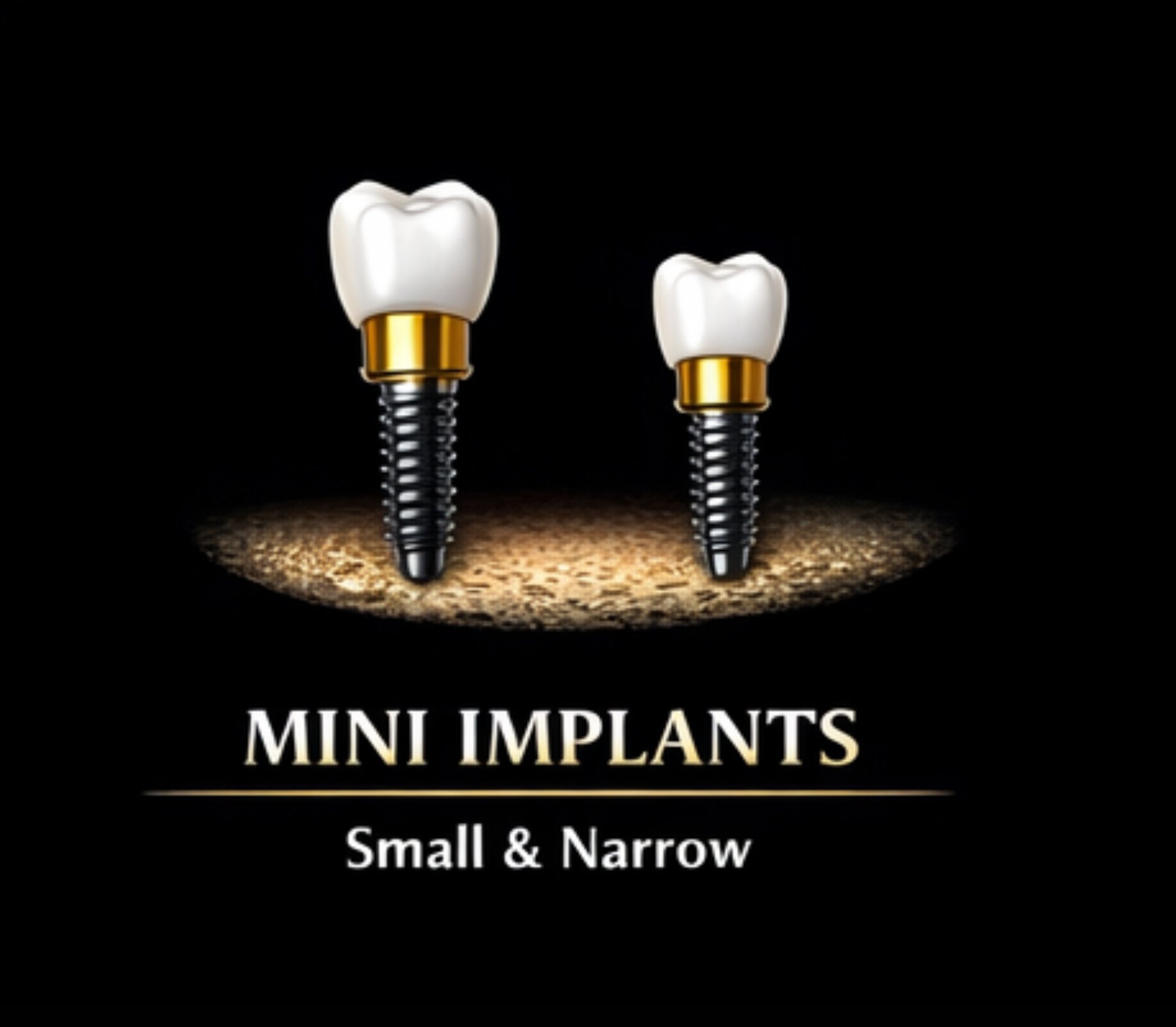
Mini dental implants are a narrower alternative to standard posts, typically under 3mm in diameter. Their smaller size suits specific scenarios: stabilizing lower dentures, treating patients with narrow ridges, or serving those who cannot tolerate more invasive surgery.
A key advantage is same-day placement and immediate loading. The trade-off is that mini implants may have lower long-term success rates for single-crown restorations, making them better suited for denture stabilization than individual tooth replacement.
RELATED: 10 Advantages & Disadvantages of Mini Dental Implants
All-on-4/All-on-6 Implants
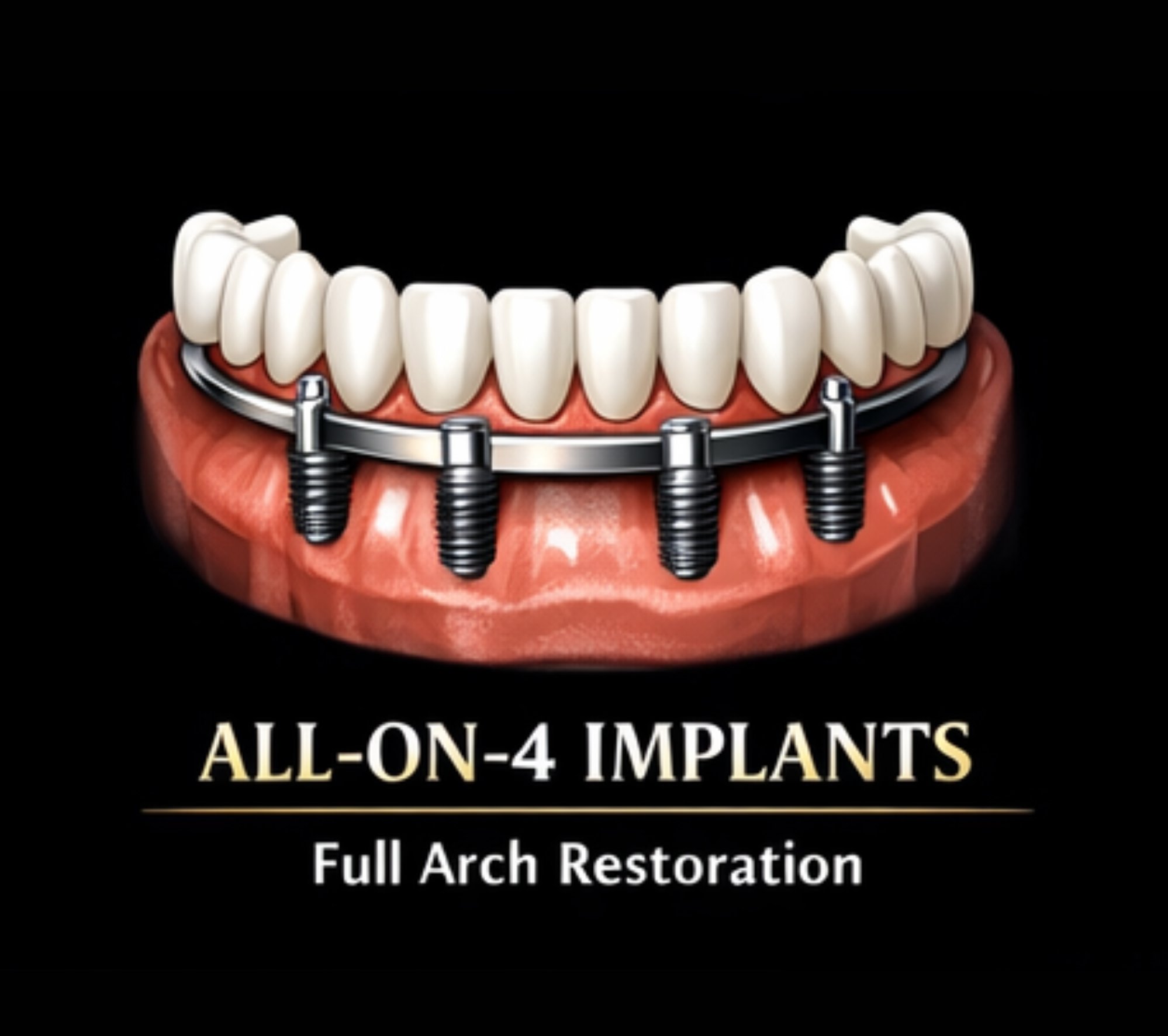
All-on-4 and All-on-6 implants are full-arch solutions designed for patients missing most or all of their teeth. Instead of placing an implant for every missing tooth, a small number of strategically positioned implants support an entire fixed set of teeth.
These implants are often angled to maximize the use of existing bone, which can reduce or eliminate the need for bone grafting in many cases. In some situations, patients may receive a temporary set of teeth on the same day, making this a faster, more efficient option for full-mouth restoration.
Different Types of Dental Implant Materials
So, what are different types of dental implants made of? The material used plays a major role in how implants integrate with your body, perform over time, and look once restored.
Titanium Implants (The Industry Standard)
Titanium implants have been used for decades and remain the most widely trusted option due to their strength and reliability. They bond exceptionally well with bone through osseointegration, creating a stable foundation for long-term function.
These implants are also highly versatile, supporting single crowns, bridges, and full-arch restorations with predictable results. Their durability makes them especially suitable for areas that handle heavy biting forces, such as molars.
For most patients, titanium offers the best balance of longevity, success rate, and cost-effectiveness.
Zirconia Implants (Metal-Free Alternative)
Zirconia implants are a ceramic, metal-free option designed for patients seeking a more natural or holistic approach. They are tooth-colored, which can be beneficial in areas where aesthetics are a priority, especially for patients with thin gum tissue.
Zirconia is also biocompatible and corrosion-resistant, making it a good option for those with metal sensitivities. However, it is less flexible than titanium, which can affect its ability to handle long-term stress in certain cases.
While not as widely used, zirconia implants continue to grow in popularity for patients prioritizing aesthetics and material preferences.
The Implant Process: A Quick Overview
Dental implant treatment follows a structured, step-by-step process designed to ensure long-term success and stability. Each phase builds on the last, from planning to final restoration:
Consultation and Imaging: Digital scans and X-rays are used to evaluate bone structure and plan placement.
Tooth Extraction (If Needed): Damaged teeth are removed to prepare the implant site.
Bone Grafting (If Required): Bone is added to support the implant if the density is insufficient.
Implant Placement: The implant post is surgically inserted into the jawbone.
Healing and Osseointegration: The bone fuses with the implant over several months.
Final Restoration: A crown, bridge, or denture is securely attached.
The exact timeline varies depending on healing and whether additional procedures are needed. Some patients qualify for immediate placement, while others follow a staged approach for better long-term outcomes.
What Determines Which Type of Dental Implant You Need
A dentist or oral surgeon evaluates several clinical factors before recommending an implant type. Understanding these in advance helps you arrive at your consultation with realistic expectations.
Bone Volume and Density: The most critical structural factor. If bone is insufficient, a graft or sinus lift may be required before implant placement, and in some cases, a tooth extraction must be completed first to prepare the site.
Number and Location of Missing Teeth: This drives implant count and prosthetic design.
Oral Health Status: Active gum disease must be resolved before placement. Gum disease is the leading cause of adult tooth loss and directly compromises implant success if untreated.
Medical History and Medications: Smoking approximately doubles the implant failure risk. Uncontrolled diabetes impairs osseointegration. Bisphosphonate medications affect bone healing and require discussion with your physician before surgery.
Budget and Timeline: Costs and timing vary based on implant type, need for grafting, and healing periods. Immediate options may shorten treatment time, while staged approaches can extend it but support long-term stability.
Pre-Consultation Self-Assessment:
Have you experienced significant bone loss from tooth loss or gum disease?
Are you a current smoker or tobacco user?
Do you have uncontrolled diabetes or take bisphosphonates?
How many teeth are you replacing, and are they consecutive?
What is your realistic budget and treatment timeline?
Cost Ranges and Financing for Every Implant Type
The cost of dental implants varies depending on the type of restoration, number of implants, and whether additional procedures are required. Understanding these ranges helps you plan and compare treatment options more confidently.
Implant Type | Estimated Cost Range |
Single-tooth implant (post + abutment + crown) | $3,000–$6,000 |
Implant-supported bridge (3-unit) | $5,000–$16,000 |
All-on-4 (per arch) | $15,000–$30,000+ |
Mini implants (per implant) | $500–$1,500 |
Zygomatic implants | $15,000–$30,000+ |
Bone graft (if needed) | $500–$3,000+ |
Sinus lift (if needed) | $1,500–$5,000 |
What to Ask During Your Consultation
Walking into your consultation prepared can make a big difference in how confident you feel about your treatment plan. Asking the right questions helps you understand your options, risks, and expected outcomes:
How many implants will I need?
Will I need bone grafting or extra procedures?
What is the full treatment timeline?
What risks or complications should I expect?
What maintenance or aftercare is required?
Do you offer financing or payment plans?
Clear answers to these questions help you avoid surprises and make informed decisions. A strong consultation should leave you feeling informed, not overwhelmed.
Get Expert Guidance from Smile4Me Dental Care
Choosing between implant options isn’t something you should figure out on your own. At Smile4Me Dental Care, every treatment starts with a personalized consultation that looks at your bone structure, health history, and long-term goals to recommend the right solution. If you’re searching for a trusted dentist in Astoria, having a team that prioritizes both function and aesthetics makes all the difference.
From advanced digital planning to precise implant placement, the focus is always on long-term success and natural-looking results. Patients also benefit from flexible financing options, including up to 2 years of interest-free financing, making treatment more accessible without compromising quality. Ongoing support ensures your implants continue to perform and look great for years to come.
Final Thoughts on the Type of Dental Implants
There’s no single “best” implant; only the one that fits your needs, bone structure, and long-term goals. From standard titanium posts to advanced solutions for complex cases, understanding your options puts you in control of your treatment.
If you’re considering dental implants, the next step is getting a personalized evaluation. Book your appointment with Smile4Me Dental Care today and take the first step toward a stronger, more confident smile.