
You’ve probably heard how discreet and effective Invisalign is, but what about comfort? Many first-time patients ask, “Does Invisalign hurt?” It’s one of the first questions people ask before starting treatment because the idea of shifting your teeth can sound uncomfortable. The truth is, Invisalign pain is usually mild and short-lived.
In this blog, we’ll explain why Invisalign may cause temporary soreness, share simple ways to make your treatment more comfortable, and demonstrate how Smile4Me Dental Care helps patients achieve a comfortable, confident smile transformation.
Why Does Invisalign Hurt So Much?
It’s completely normal to experience some discomfort when starting Invisalign or switching to a new set of trays. How Invisalign works is by applying gentle, consistent pressure to shift your teeth into their ideal positions, which naturally causes some soreness as your mouth adjusts. Most patients describe the sensation as tightness, tenderness, or mild aching rather than sharp pain. The level of discomfort depends on your individual sensitivity, the complexity of tooth movement, and how well your aligners fit.
Here are the most common reasons why Invisalign hurts and what’s happening behind the scenes:
Pressure from Tooth Movement: Each new tray applies a light, steady force to guide your teeth into alignment, causing temporary soreness.
Tight-Fitting New Trays: Fresh aligners are designed to feel snug at first, which can make the first couple of days slightly uncomfortable.
Individual Pain Sensitivity: Everyone’s threshold is different, and certain dental movements can feel more noticeable than others.
Fortunately, this discomfort is short-lived—usually lasting just a few days with each new set of aligners. The soreness is actually a positive sign that your Invisalign is working to move your teeth effectively and bring you closer to your new, straighter smile.
Simple Tips to Make Invisalign Hurt Less

Mild soreness from Invisalign is normal, especially when switching to a new set of aligners. Luckily, a few easy habits can help minimize discomfort and make your adjustment period much smoother. Here are some easy ways to ease tenderness and keep your treatment on track.
Apply Cold Compresses
A cold compress can be a lifesaver when your gums or jaw feel sore. Applying an ice pack for 10-15 minutes at a time helps reduce swelling and numb the area for quick relief. You can repeat this several times a day, especially during the first couple of days with a new tray, to make the transition more comfortable.
Stay Consistent With Wear
While it may seem tempting to remove your aligners when they feel tight, wearing them consistently for 20-22 hours a day actually helps the soreness fade faster. Your teeth need steady, gentle pressure to adapt to their new positions. Skipping wear time can prolong discomfort and slow your progress.
Keep Aligners Clean
Keeping your aligners fresh and hygienic is crucial for comfort. Bacterial buildup can irritate your gums and exacerbate soreness, so knowing how to clean Invisalign trays properly is essential. Rinse them with lukewarm water, brush gently with a soft toothbrush, and avoid using hot water, as it can warp the plastic and affect the fit.
How Smile4Me Dental Care Helps Make Invisalign Comfortable
At Smile4Me Dental Care, patient comfort is our top priority throughout every stage of your Invisalign journey. Dr. Iosif Khaimov, an experienced Astoria Invisalign dentist, ensures each patient receives a personalized treatment plan designed for both effectiveness and ease. Using advanced digital technology, we create aligners that fit precisely, minimize irritation, and help your smile transformation feel as natural as possible. Our approach focuses on expert guidance, continual support, and modern solutions that make your Invisalign experience smooth and stress-free.
Here’s how we help make Invisalign more comfortable and effective:
Advanced Technology: We use precise 3D digital scans to design trays that match your teeth perfectly. This ensures less rubbing, better pressure distribution, and faster adjustment with minimal soreness.
Gentle Progress Monitoring: Dr. Khaimov carefully tracks your progress at each visit to ensure steady improvement. Regular check-ins enable timely adjustments and help prevent discomfort caused by poorly fitting aligners or rapid movement.
Comprehensive Patient Support: Our team provides detailed at-home care instructions and comfort tips to ensure optimal patient care. From managing soreness to cleaning your trays properly, we’re here to make every stage easier.
At Smile4Me Dental Care, we believe a straighter smile shouldn’t come with unnecessary pain. Patients often tell us that our attentive care and customized approach are what make them realize Invisalign is worth it—not just for the results, but for the comfort and confidence they gain along the way.
Final Thoughts on “Does Invisalign Hurt?”
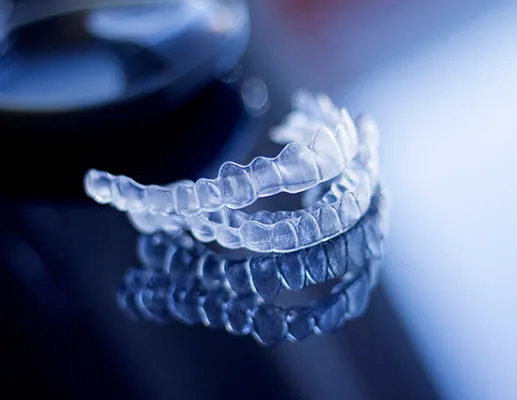
So, does Invisalign actually hurt? Only a little, and for a short time. Most patients experience mild pressure or tenderness during the first few days of each new tray, but it’s a normal part of the process and a sign that your aligners are effectively shifting your teeth. With proper care, consistency, and support from a trusted dental team, discomfort quickly fades, leaving you with a smoother, more confident smile journey.
At Smile4Me Dental Care, our experienced dentist in Astoria ensures your Invisalign treatment is as comfortable and stress-free as possible. Ready to start your transformation? Book your consultation today and discover how easy and pain-free achieving your dream smile can be.
FAQs About Invisalign Hurting

Why does my Invisalign hurt my teeth?
Invisalign works by applying gentle, consistent pressure to shift your teeth into new positions, which can cause temporary soreness or tenderness. This mild discomfort is normal because it's simply a sign that your aligners are doing their job and helping your teeth move effectively.
How long does Invisalign hurt?
Most people experience mild discomfort for the first one to three days after switching to a new set of trays. The pain usually peaks within the first 48 hours and then fades as your mouth adjusts to the aligners.
When does Invisalign stop hurting?
For most patients, Invisalign stops causing discomfort after a few days of consistent wear, as the teeth and gums adapt to the pressure. Over time, each new set of aligners tends to feel more comfortable than the previous one, as your mouth becomes accustomed to the movement process.
Does Invisalign hurt more than braces?
No, Invisalign generally hurts less than traditional braces because it uses smooth, BPA-free plastic trays instead of metal brackets or wires. Patients often describe Invisalign discomfort as gentle pressure rather than sharp pain, making it a more comfortable alternative for teeth straightening.