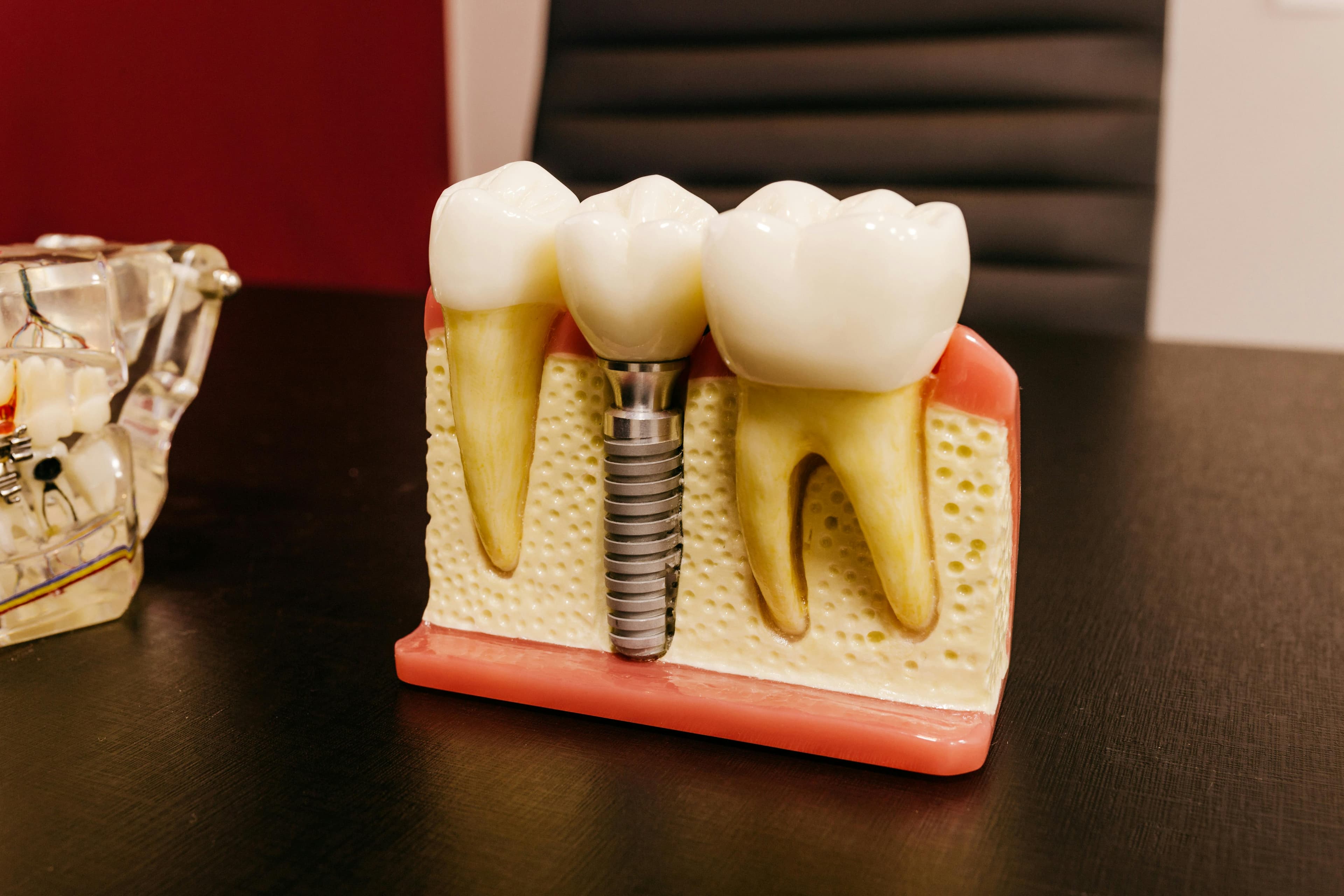
A long-lasting smile matters more than ever, especially as more adults choose implants over temporary fixes. According to the American Academy of Implant Dentistry, dental implants have one of the highest long-term success rates in modern dentistry. That naturally leads to one of the most common questions patients ask: How long do dental implants last, and are implants really worth the investment?
If you’re considering dental implants, understanding their lifespan helps you plan financially and feel confident about your decision. In this guide, we’ll explain how long dental implants last, what affects their durability, and how proper care and professional treatment can help them last for decades.
How Long Do Dental Implants Last on Average?
On average, dental implants are built to last 20-30 years, and for many patients, they can last a lifetime with proper care. The titanium implant post integrates with the jawbone and does not decay, making it a permanent solution rather than a temporary fix. While the implant itself is extremely durable, the visible crown may need replacement over time due to normal wear from chewing.
How Long Do All on 4 Dental Implants Last vs. All on 6?
Both All-on-4 and All-on-6 dental implants are designed as long-term, full-arch tooth replacement solutions that can last decades or longer with proper maintenance. All-on-6 implants typically provide greater stability because bite force is distributed across more implants, which may reduce stress on each implant over time.
However, All-on-4 implants remain highly successful and long-lasting, especially for patients with adequate bone support and good oral hygiene. In both cases, long-term success depends more on placement precision, bone health, and daily care than on the number of implants alone.
Factors That Influence The Lifespan of Dental Implants
While dental implants are designed to be long-lasting, several factors influence their longevity. Oral hygiene, overall health, lifestyle habits, and the quality of the original placement all contribute to longevity. Even small daily habits can either protect or slowly compromise implant stability.
Key factors that affect implant lifespan include:
Oral Hygiene: Daily brushing and flossing reduce bacteria that can cause peri-implantitis.
Gum Health: Healthy gums help support the bone and tissue around the implant.
Bone Density: A Strong jawbone provides a solid anchor for the implant post.
Lifestyle Habits: Smoking and heavy grinding increase the risk of implant failure.
When these factors are appropriately managed, implants can outperform bridges and dentures by a wide margin. Long-term success is rarely accidental; it’s the result of good care and professional oversight.
What to Expect From Dental Implants as the Years Go By
In the first year after placement, the focus is on healing and bone integration. Once the implant fully bonds with the jawbone, it should feel just like a natural tooth and function normally during eating and speaking.
Over the years, most patients experience very little change in how the implant feels. The titanium post typically remains stable, while the surrounding bone helps preserve facial structure and prevent bone loss. The crown may show signs of normal wear after many years, especially on back teeth that handle heavier chewing forces.
Long-term dental visits allow your dentist to monitor bite alignment and gum health. If a crown needs replacement, it can be done without disturbing the implant itself, making long-term maintenance relatively simple.
Simple Habits to Upkeep Dental Implants

Dental implants don’t require complex care, but they do require consistency. Small daily habits help protect the surrounding gums and bone, which are essential to implant longevity.
Consistent Brushing and Flossing
Brushing twice and flossing daily removes plaque that can accumulate around the implant and gums. Although implants don’t decay, bacteria can still cause inflammation and infection in the surrounding tissue. Using non-abrasive toothpaste and proper flossing techniques helps protect both the implant and nearby teeth.
Routine Dental Visits
Seeing your dentist every six months allows early detection of potential issues before they become serious. Professional cleanings remove hardened plaque that brushing alone can’t reach. These visits also help ensure your bite remains balanced and stress-free for the implant.
Gum Health Care
Healthy gums are critical to long-term implant success. Inflammation or gum disease can weaken the tissue and bone supporting the implant. Regular cleanings and early treatment of gum issues help preserve the implant’s foundation.
Managing Teeth Grinding
Teeth grinding places excessive force on implants and crowns. A custom night guard can help protect your implant from long-term wear and prevent unnecessary stress. Managing grinding early can significantly extend the life of the restoration.
Get Long-Term Implant Success at Smile4Me Dental Care
At Smile4Me Dental Care, we focus on implant results that not only look great today but also perform for decades. Our dentist in Astoria, Dr. Iosif Khaimov, uses advanced diagnostic tools and digital treatment planning to ensure each implant is placed with maximum precision and long-term stability. We take the time to assess your bone health, bite alignment, and oral habits to customize your treatment for lasting success.
Our patients benefit from an implant process designed around predictability and protection:
Personalized Surgical Planning: Every case begins with a full evaluation of jawbone structure and bite function. This minimizes complications and helps your implant integrate properly with long-term strength.
Advanced Technology and Imaging: We use 3D digital scans and guided implant placement techniques. These tools ensure accurate positioning and enable us to create a restoration that fits your anatomy precisely.
Ongoing Care and Flexible Financing: After placement, we continue to monitor your implant at regular checkups. Our flexible payment options also make long-term implant care accessible without financial strain.
At Smile4Me, we don’t just place implants; we build confident, long-lasting smiles. Our commitment to precision, education, and proactive care is what helps patients enjoy decades of healthy implant function.
Conclusion: How Long Do Dental Implants Usually Last

Dental implants are among the most durable and reliable tooth-replacement options available today. With proper placement, healthy habits, and routine dental care, implants can last 20–30 years or even a lifetime, while crowns may need replacement after many years of everyday use. The key to longevity lies in daily care, gum health, and choosing an experienced dental team.
If you’re considering dental implants in Astoria or want to protect existing ones, book an appointment with Smile4Me Dental Care today to discuss long-term solutions tailored to your smile.
Also, if you’re looking for an emergency dentist in Astoria, NY, call us at (718) 400-4400.
FAQs About the Dental Implant Lifespan
How long do mini dental implants last?
Mini dental implants can last many years, but they may have a shorter lifespan than traditional implants due to their smaller size and reduced load-bearing capacity.
How long do full mouth dental implants last?
Full mouth dental implants can last decades or a lifetime when properly maintained, as the implant posts are designed for long-term stability.
How long do dental implant crowns last?
Dental implant crowns typically last 10-15 years, though high-quality materials and good oral care can significantly extend their lifespan.