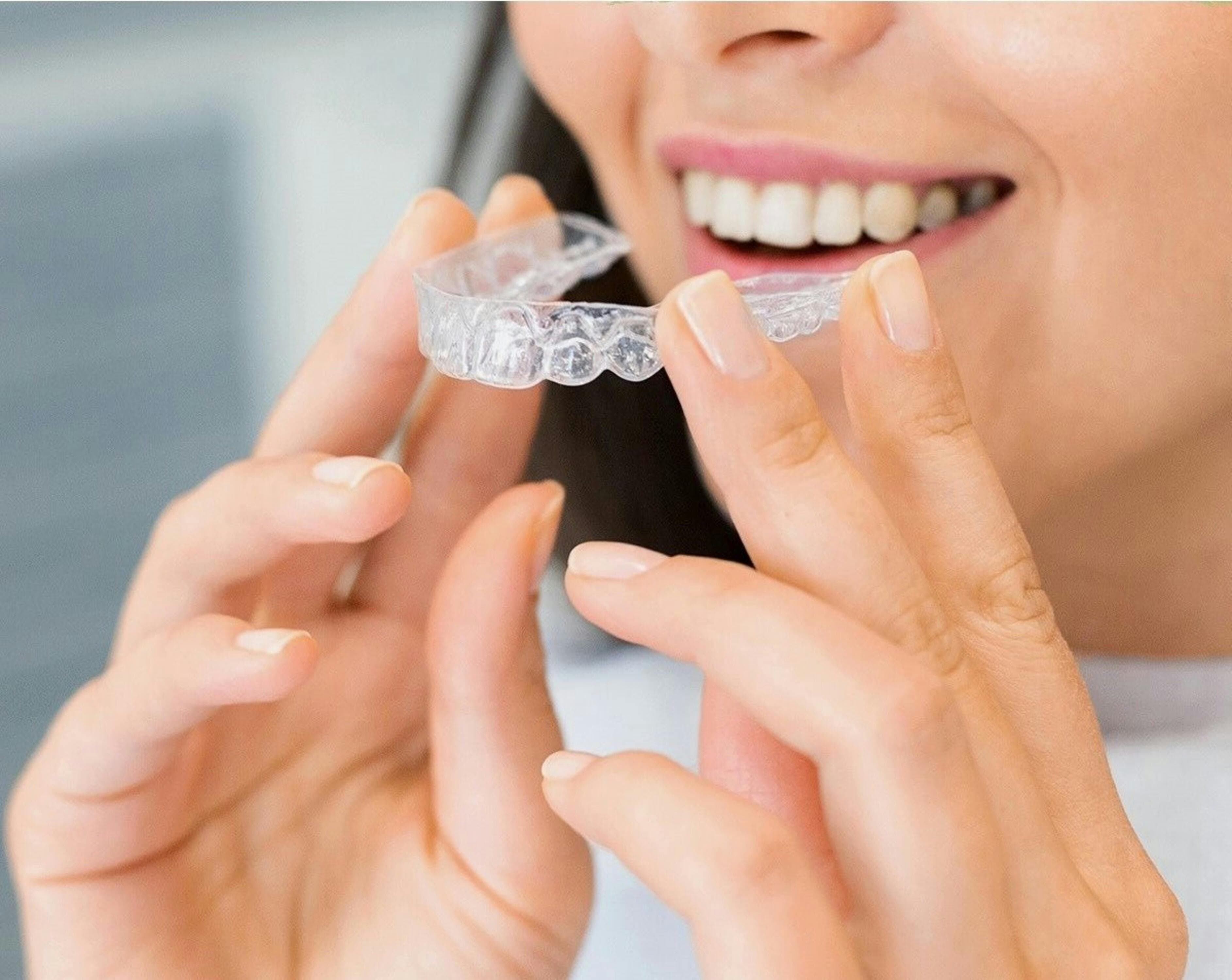
When choosing an orthodontic treatment, speed is often a major deciding factor. Many patients want straighter teeth as soon as possible without sacrificing comfort, appearance, or long-term results. Invisalign and braces are both effective solutions, but they work in different ways and can produce different timelines depending on the case.
At Smile4Me Dental Care, the best orthodontic decisions are made with clear, honest information. This comprehensive guide answers the question: Is Invisalign faster than braces? It explains treatment speed, effectiveness, and real-life factors so you can confidently decide which option fits your needs and lifestyle.
So, Is Invisalign Faster Than Braces?
The short answer is: sometimes, but not always. Invisalign can be faster than braces in certain situations, especially for mild to moderate alignment issues. However, treatment speed depends on multiple factors, including the complexity of tooth movement, patient compliance, age, and overall oral health.
Invisalign uses a digitally planned series of aligners that guide teeth into position in controlled stages. Traditional braces use brackets and wires that apply continuous force and are adjusted over time. Both methods are clinically proven and safe, but the way they move teeth can influence how long treatment takes.
Understanding this difference helps explain why some patients finish Invisalign treatment in under a year, while others may need braces for longer or vice versa.
How Invisalign Moves Teeth Differently Than Braces
While both Invisalign and braces are designed to straighten teeth, they rely on very different mechanisms to do so. These differences show up in how movements are planned, how force is applied, and how smoothly treatment progresses over time.
Digital Treatment Planning
Invisalign treatment begins with advanced digital imaging that maps each stage of tooth movement before aligners are even created. This allows for precise, planned, incremental shifts from start to finish. Because the movement is pre-calculated, many patients see consistent progress without frequent in-office adjustments.
Targeted Pressure
Invisalign aligners are designed to apply pressure only where it’s needed. Unlike braces, which often move groups of teeth together, aligners can guide individual teeth more precisely. This targeted approach helps reduce unnecessary movement and can shorten treatment timelines for simpler alignment issues.
Fewer Interruptions
With braces, broken brackets, loose wires, or poking metal can lead to unexpected appointments and delays. Invisalign eliminates many of these common issues since there are no wires or brackets to repair. Fewer interruptions help keep treatment progressing smoothly and on schedule.
Why Invisalign Can Be Faster for Certain Patients

Many adults wonder why Invisalign is faster than braces for friends or coworkers with similar alignment issues. In many cases, the answer comes down to a combination of compliance, comfort, and how well Invisalign suits certain orthodontic concerns.
Compliance and Consistency
Invisalign aligners are designed to be worn 20-22 hours per day, and adults who follow this schedule closely often see steady, predictable progress. Because aligners are changed on a set timeline, consistent wear helps teeth move exactly as planned. When compliance is high, there are fewer delays, refinements, or interruptions, all factors that can significantly shorten overall treatment time.
Comfort Encourages Wear
Clear aligners are smooth, custom-fitted, and free of metal brackets or wires, which means less irritation to the cheeks, lips, and gums. This added comfort makes it easier for patients to wear aligners as directed throughout the day and night. When an orthodontic appliance is comfortable, patients are more likely to stick with the plan, directly influencing how quickly results are achieved.
Mild to Moderate Case Efficiency
Invisalign is particularly effective for certain alignment issues, including:
Minor crowding
Small gaps
Mild bite concerns
In these cases, Invisalign can move teeth efficiently without the need for complex adjustments. As a result, treatment may be completed faster than braces, sometimes by several months, when aligners are used correctly and consistently.
Invisalign vs. Metal and Traditional Braces

Patients commonly ask, is Invisalign faster than metal braces? The answer depends largely on proper case selection, the complexity of the alignment issues, and the extent to which the treatment plan is followed.
Treatment Duration Comparison
While every smile is different, general timelines can help set expectations:
Invisalign: Often takes about 6-18 months for mild to moderate alignment concerns when aligners are worn as directed.
Traditional braces: Commonly require 18-24 months, particularly for more complex bite or spacing issues that need continuous force and detailed control.
It’s important to remember that these ranges are averages, not guarantees. Factors like tooth movement response, compliance, and the need for refinements can affect overall treatment time. A well-designed treatment plan often has more impact on results than the appliance itself.
Lifestyle and Aesthetic Considerations
Invisalign aligners are nearly invisible and removable for eating and oral care, making them ideal for patients seeking minimal lifestyle changes. Braces require food restrictions and more detailed cleaning but provide greater control for complex cases needing continuous adjustment.
A personalized consultation with an experienced dentist in Astoria can help determine which option best matches your dental needs, lifestyle, and timeline goals.
When Braces May Be Faster or More Effective
Despite Invisalign’s advantages, braces remain the best and sometimes the fastest option for certain orthodontic needs. Patients often wonder if braces are faster than Invisalign, and in more complex cases, the answer can be yes. Fixed appliances offer strengths that clear aligners may not fully match in challenging situations.
Greater Control for Complex Movements
Braces give orthodontists precise control over tooth rotation, vertical movement, and overall bite correction. Conditions such as severe crowding, significant spacing issues, jaw alignment concerns, or major tooth rotations often respond more efficiently to fixed brackets and wires. This added control can lead to steadier progress and fewer interruptions during treatment.
No Reliance on Patient Wear
Because braces are bonded to the teeth, they work continuously without relying on patient compliance. There’s no risk of forgetting to wear them or removing them too often. This makes braces especially effective for younger patients or anyone who may struggle with the discipline required for consistent aligner use.
Fewer Refinements and Adjustments
Invisalign treatment may require refinements or extra aligners to fine-tune results. With braces, orthodontists can make immediate adjustments during routine visits, often reducing the need for additional treatment phases. In these cases, braces offer a more predictable and efficient path to alignment when precision and consistency matter most.
How Much Faster Invisalign Can Be in Real Life

So, how much faster is Invisalign than braces? Well, speed varies from person to person. For mild cases, Invisalign may reduce treatment time by several months. For moderate cases, timelines are often similar. For complex cases, braces may be faster overall.
What Truly Affects Speed
Severity of misalignment
Age and bone responsiveness
Oral hygiene
Appointment consistency
Appliance compliance
No orthodontic treatment should rush tooth movement, as moving teeth too quickly can harm gums and bone. Safe, controlled movement ensures lasting results.
How to Keep Your Orthodontic Treatment on Track
No matter which treatment you choose, consistency and good habits are key to staying on schedule. Orthodontic appliances work best when used exactly as directed and properly cared for.
Follow Instructions Exactly
Wear aligners for the recommended 20–22 hours per day or follow all care guidelines for braces. Skipping wear time, delaying tray changes, or ignoring food restrictions can slow progress and extend treatment.
Maintain Excellent Oral Hygiene
Healthy teeth and gums move more efficiently. Brushing, flossing, and cleaning aligners or braces daily helps prevent inflammation or decay that could interrupt treatment.
Attend All Appointments
Regular visits allow adjustments to be made on time and ensure everything is progressing as planned. Missed appointments can easily add unnecessary time to treatment.
Address Issues Promptly
Lost aligners or damaged brackets should be reported right away. Quick fixes help prevent delays and keep your treatment moving forward smoothly.
Staying consistent and proactive helps you achieve the best results in the shortest time possible.
Final Thoughts on Invisalign’s Correction Speed
Invisalign and braces are both highly effective orthodontic treatments with distinct advantages. Invisalign often feels faster for adults with mild to moderate concerns due to digital planning, comfort, and convenience. Braces remain the gold standard for complex corrections and may be faster in those situations.
The best choice isn’t about racing to the finish; it’s about choosing a treatment that delivers stable, healthy, long-lasting results. With professional guidance from Smile4Me, you can confidently choose the option that fits your smile goals, lifestyle, and timeline. Contact us today to schedule a consultation and take the first step toward a healthier, more confident smile.