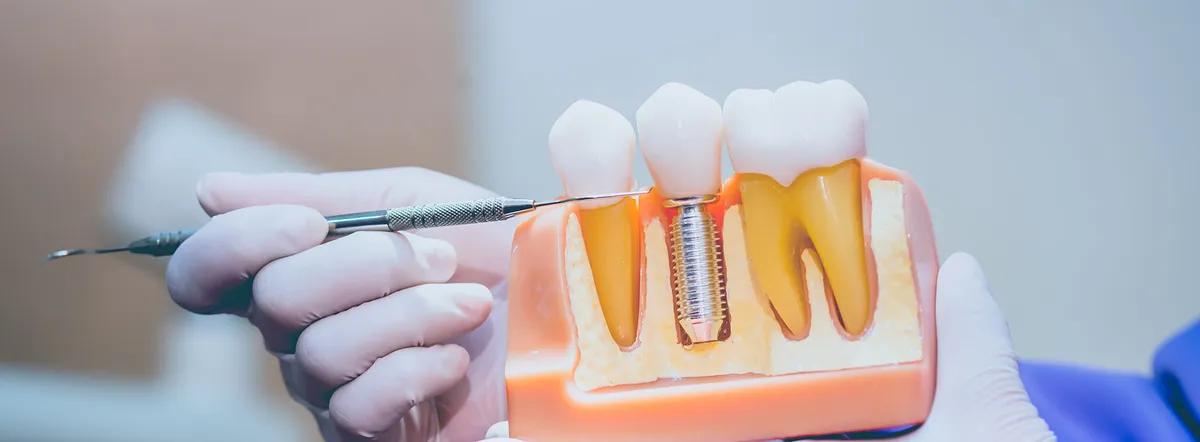
According to the American Academy of Implant Dentistry, dental implants have a success rate of over 95%, making them one of the most reliable options for replacing missing teeth. Still, many patients find themselves asking, “Why does my implant hurt?” While mild soreness is expected during the healing process, pain that lingers or appears months or even years later often signals that something isn’t quite right.
This blog will explain what dental implants should feel like, common causes of discomfort, warning signs you should never ignore, and how Smile4Me Dental Care can help you protect both your implant and your overall oral health.
What Dental Implants Should Feel Like
A properly healed dental implant should feel almost identical to your natural tooth. Once osseointegration—the process by which the implant fuses to your jawbone—is complete, the implant should be stable, pain-free, and function just like a natural tooth root. You may notice some mild sensitivity at first, especially when adjusting to a new crown, but persistent or sharp discomfort isn’t part of routine healing.
The Dental Implant Healing Journey
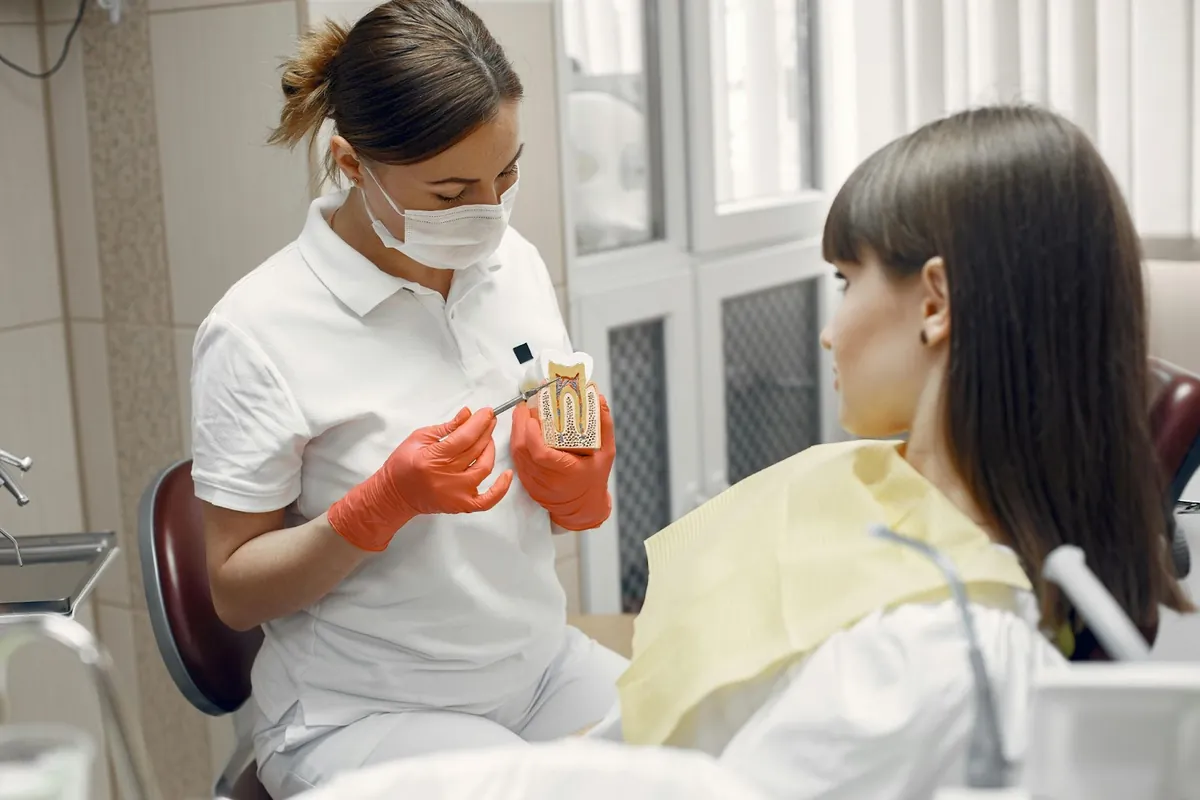
The healing process after implant placement can take several months and is typically divided into stages. Immediately after surgery, it’s common to feel soreness, swelling, or minor bruising that gradually subsides within a week or two. Over the next several months, the implant post fuses with the jawbone, a process that is essential for long-term stability. During this stage, the gum tissue also adapts and strengthens around the dental implant. Once osseointegration is successful, the crown, bridge, or denture is attached to complete your restoration.
Discover the process and key components of dental implants.
So, Why Does My Implant Hurt?
There are several reasons a dental implant may cause discomfort, and not all of them point to immediate failure. Sometimes, pain can be related to bite misalignment, where the crown places uneven pressure on the implant and surrounding teeth. In other cases, night-time grinding or clenching can place excess stress on the dental implant, leading to irritation in the jaw or gum tissue. Upper implants may also cause pressure or soreness if they are positioned too close to the sinus cavity, especially during activities such as chewing or sneezing.
Red Flags That Point to Dental Implant Trouble
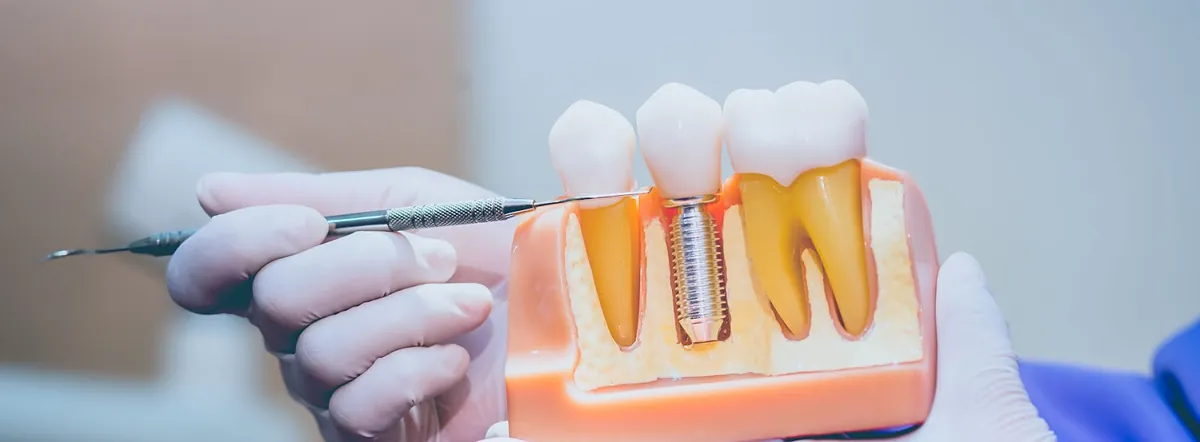
While some minor soreness is expected after surgery, certain symptoms are strong indicators that something more serious may be happening. Below are the most common red flags you should watch for if you experience ongoing discomfort around your dental implant.
Persistent Pain
Pain that does not fade with time or actually worsens is a sign that healing is not progressing normally. This can occur if the bone does not properly integrate with the implant or if surrounding tissues are under stress.
Swollen or Bleeding Gums
Red, swollen, or tender gums around an implant may indicate irritation or the start of an infection. If you also notice bleeding when brushing or pus, it could signal a tooth implant infection, which can quickly spread to the surrounding bone. Since dental implants do not regenerate like natural teeth, early treatment is essential to stop further damage and maintain stability.
Loose Implant
If your implant feels wobbly, it may indicate that it has not fully integrated with the bone or has become unstable over time. Some patients worry and often ask, “Is a loose dental implant an emergency?” Yes! Looseness requires urgent care, as the longer it remains unstable, the higher the risk of complete failure.
Chewing Discomfort
Discomfort while chewing may result from a misaligned crown, uneven bite forces, or excess strain on the implant and surrounding bone. Left untreated, it can worsen over time, so a professional adjustment is often needed to restore comfort and stability.
What To Do If You Feel Pain Around Your Implant
If you’re experiencing discomfort, the best course of action is to contact your dentist immediately. Early evaluation allows minor issues to be addressed before they escalate into more serious complications. Depending on your situation, your dentist may suggest a few treatment options:
Professional Cleaning: Deep cleaning around the dental implant helps remove bacteria and reduce inflammation.
Bite Adjustment: Reshaping the crown can relieve pressure on the implant and surrounding teeth.
Medication: Antibiotics or pain relief can manage infection or inflammation while healing occurs.
These steps are often enough to restore comfort and protect your implant. The key is acting quickly rather than waiting for the pain to resolve on its own.
How to Prevent Future Dental Implant Pain

The best way to protect your investment is with consistent oral care and professional follow-up. Good habits reduce the risk of inflammation, infection, and bite-related discomfort over time. For effective prevention, consider these practices:
Daily Hygiene: Brush and floss thoroughly to prevent bacteria from accumulating around your implant.
Regular Checkups: Routine dental visits help identify early warning signs before they cause damage.
Protect Against Grinding: A night guard can shield your implant from unnecessary stress and strain.
These habits, combined with professional monitoring, form the foundation for successful long-term maintenance of dental implants.
Smile4Me Dental Care’s Approach to Long-Term Implant Success
At Smile4Me Dental Care, we specialize in helping patients achieve lasting results with their implants. Our team utilizes advanced diagnostic tools to assess implant stability and address issues before they escalate. Whether you need a new restoration or ongoing care, our dental implants Astoria services are designed with precision and patient comfort in mind.
Final Thoughts on Dental Implant Pain
In conclusion, while dental implants are designed to look, feel, and function like natural teeth, pain or discomfort is a signal that something isn’t right. Understanding what’s normal, recognizing red flags, and seeking timely care can make the difference between saving or losing an implant. If you’re concerned about discomfort, book an appointment with a trusted dentist in Astoria and take the first step toward protecting your smile.
FAQs About Dental Implants Hurting
Why does my dental implant hurt when I chew?
It may indicate bite misalignment, infection, or pressure on the surrounding bone and should be evaluated quickly.
Why does my tooth implant hurt years later?
Discomfort years later can result from bone loss, gum recession, or late-onset infection around the implant.
When should I contact my dentist if the implant pain doesn’t stop?
If discomfort lasts beyond a week after surgery or worsens over time, contact your dentist immediately.
FAQs About Smile4Me Dental Care
Can Smile4Me Dental Care replace an implant if it fails?
Yes, we can remove a failing implant and restore your smile with a new, stable replacement.
Can I get same-day appointments if my implant suddenly hurts?
Yes, we offer flexible scheduling and can often accommodate urgent or same-day visits for painful dental implant issues.
How do I book an appointment for implant pain at Smile4Me Dental Care?
You can contact our office by phone or schedule an appointment online. We also offer same day dental implants in some instances for qualified patients.