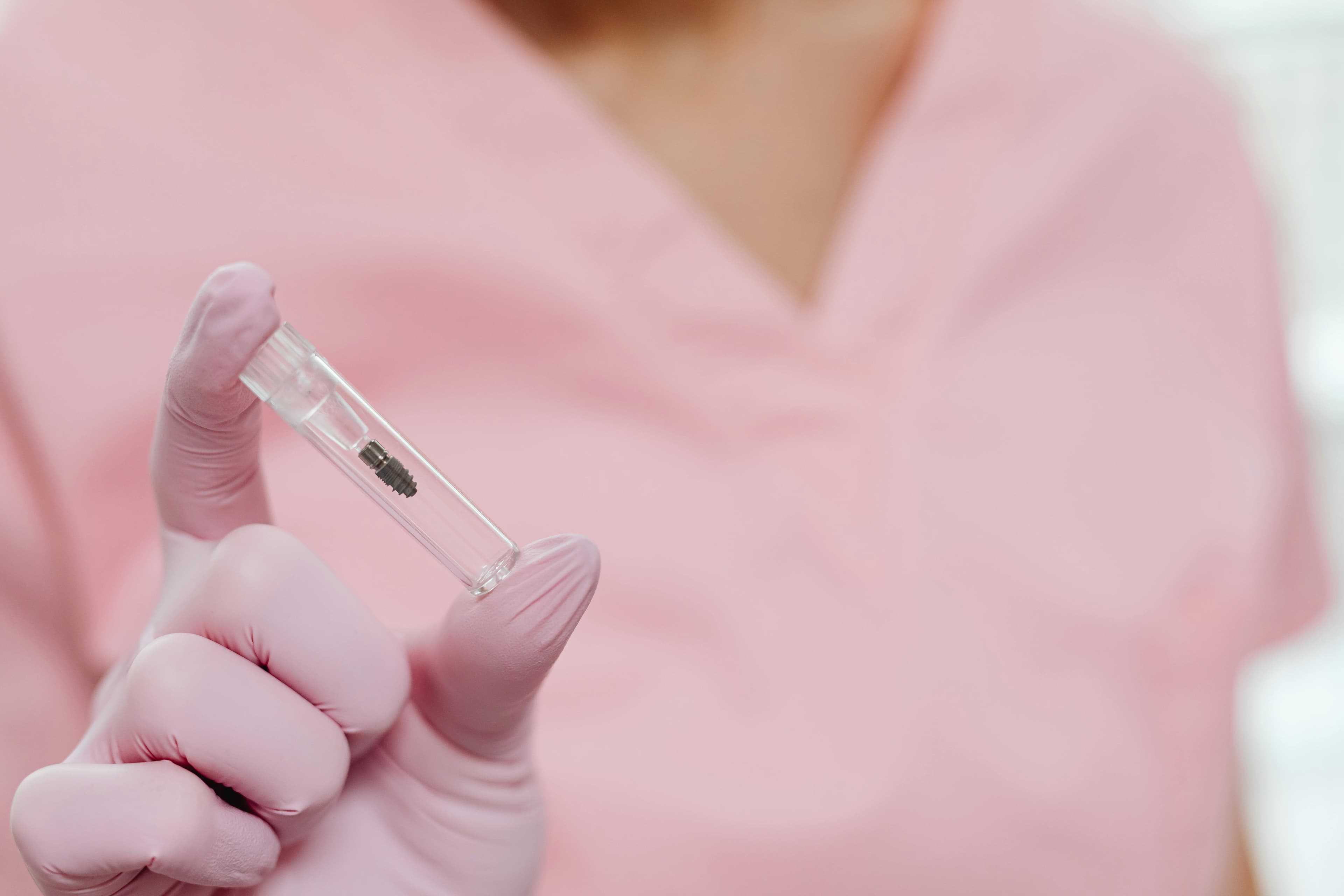
Losing a full arch of teeth is life-altering; it changes how you eat, how you speak, and how you feel about your own smile. For decades, the only fix was removable dentures: bulky, imprecise, and prone to slipping at the worst moments. All On 4 dental implants changed that. Using just four strategically placed implants, the procedure delivers a fixed, permanent arch of teeth in a single day, and the All On 4 success rates, documented across decades of clinical research, are among the strongest in modern implant dentistry.
This blog breaks down what that success rate actually means, what can realistically go wrong, who makes the best candidate, and what to expect from the process itself.
What Is the All On 4 Success Rate?
The short answer: Consistently above 95% across five or more years of follow-up, and above 93% over a decade or longer; figures that hold up across multiple independent clinical studies and systematic reviews.
But what do All On 4 dental implants' success rate figures actually measure? Researchers track two distinct outcomes:
Implant survival: Whether the implant remains integrated in the bone.
Prosthetic survival: Whether the full arch restoration remains functional
These numbers differ because, even if one implant fails, the prosthesis can often be saved by adapting or replacing that single fixture.
Implant-Level Outcomes
Jaw Location | 5-Year Survival Rate | 10-Year Survival Rate |
Mandible (lower) | 98.1% | 94.8% |
Maxilla (upper) | 95–97% | ~93% |
Combined (large cohort) | 94.7% | 93.9% |
Prosthetic-Level Outcomes
Prosthetic survival rates are even higher than implant survival rates because the arch can often be maintained even when an individual implant requires intervention. One retrospective study of 13 patients reported a prosthetic survival rate of 99.2% over 10 years.
When evaluating the success rate of All On 4 implants specifically in the mandible, the numbers are particularly strong; the lower jaw's denser bone and more favorable geometry consistently produce better long-term outcomes than the upper jaw.
All On 4 Plus: Does More Mean Better?
Some patients are presented with the option of more than 6+ implants, which incorporates additional implants for cases involving more significant bone loss. The All On 4 plus success rate follows a similar trajectory to the standard protocol when applied to the right patient — the benefit isn't more implants for everyone, but more implants for those whose anatomy specifically calls for it. In standard cases with adequate anterior bone, four implants remain the benchmark.
RELATED: All on 4 vs All on 6 Dental Implants: Which Is Best for You?
How the All On 4 Treatment Concept Works
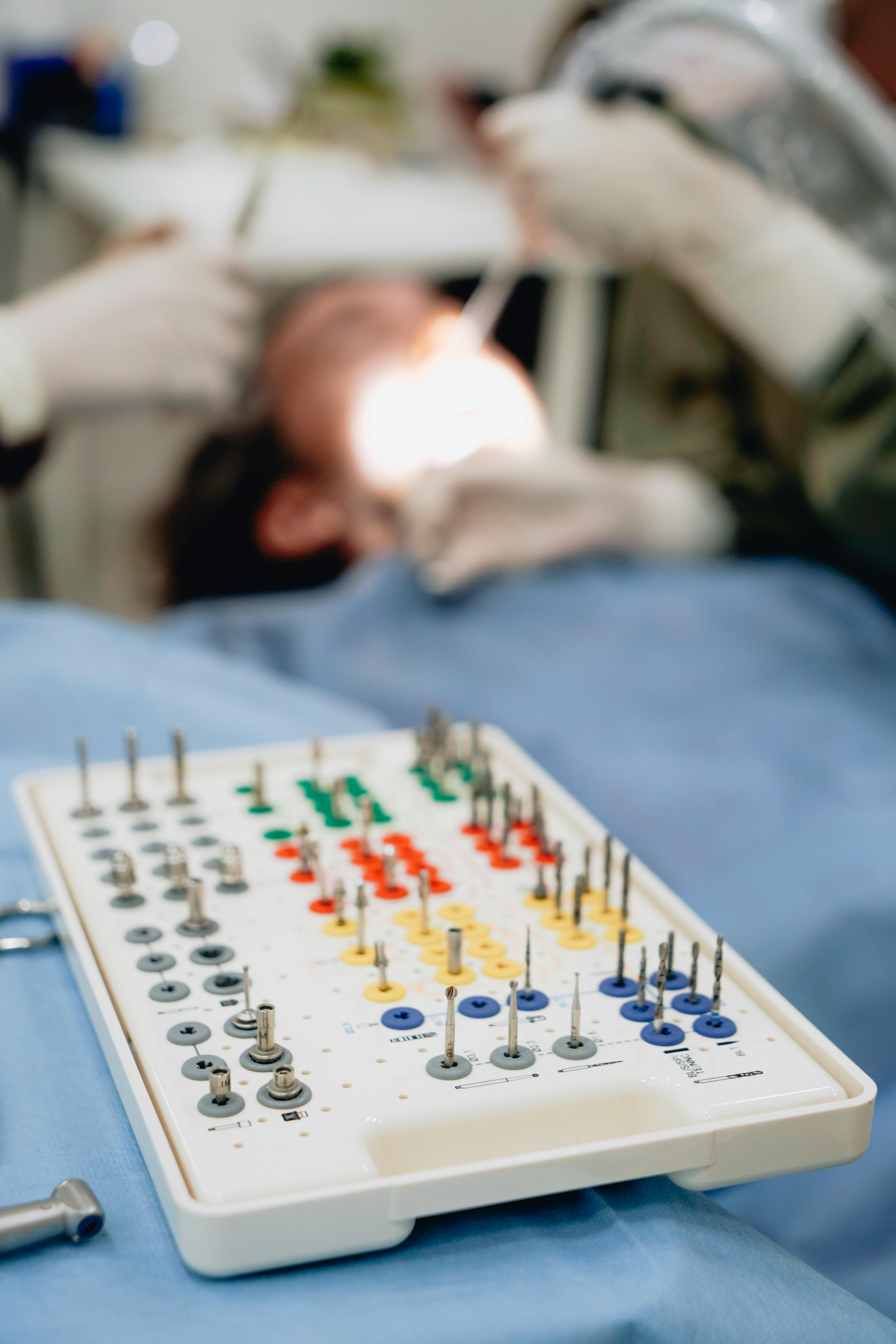
The All On 4 concept was engineered around a simple problem: patients needing full-arch restoration often lack the posterior bone density required for traditional implant placement. The solution was to use four implants — two placed vertically in the front of the jaw and two placed at a 30-45-degree angle toward the back — to maximize contact with the densest available bone, without requiring grafting in most cases.
Those four implants act as a fixed foundation for a full-arch prosthesis, which is loaded and delivered the same day as surgery. There is no months-long waiting period. Patients leave with a functional, non-removable set of teeth.
Why Four Implants Work
The geometry matters more than the number. The angled posterior implants create what's called AP spread (anterior-posterior spread), which distributes bite forces across the arch more evenly than a straight-line configuration would. Research has confirmed that four well-placed implants produce outcomes comparable to five or six implants, meaning additional implants don't automatically yield better results. Placement precision is what drives success.
The Materials
The prosthesis itself is typically constructed from one of several material combinations:
Prosthetic Material | Durability | Aesthetics | Notes |
Acrylic (provisional) | Moderate | Good | Temporary; used during healing |
Zirconia | High | Excellent | Most popular for final restorations |
Titanium framework + all-ceramic crowns | Highest | Excellent | Lowest documented mechanical complication rate |
PMMA | Moderate | Good | Lightweight; used in some definitive cases |
What Can Go Wrong: Biological vs. Mechanical Complications
High success rates don't mean zero complications, and understanding the difference between complication types is essential for accurately interpreting the All On 4 dental implants success rate. Complications fall into two categories:
Biological Complications: Infection and Bone Loss
The All On 4 dental implant success rate remains strong in part because biological complications, while real, occur at manageable rates when patients follow proper maintenance protocols. Long-term retrospective data report biological complication rates of 11.8% in the mandible and 7.8% in the maxilla, reflecting real-world outcomes across large patient cohorts over 10 or more years.
The most common biological issues include:
Peri-implantitis: A bacterial infection around the implant that, if untreated, can lead to progressive bone loss and eventual implant failure. It's essentially the implant equivalent of gum disease.
Soft tissue inflammation: Often an early-stage warning sign, manageable with professional cleaning and improved home hygiene if caught early
Marginal bone loss: Some degree of bone remodeling around implants is expected and normal. The clinical benchmark is approximately 1mm of bone loss in the first year, followed by no more than 0.2mm annually. Long-term data show average marginal bone loss of -1.6 to -1.7mm over ten years — roughly the thickness of a nickel — which falls within clinically acceptable ranges.
Warning signs to watch for:
Persistent swelling or tenderness at the gumline
Pain when pressure is applied around an implant
Visible changes in how the prosthesis sits against the gum
Shifts in bite alignment or new areas of discomfort when chewing
Catching any of these early is what separates a minor intervention from a major one — which is precisely why committing to proper implant maintenance from day one is not optional. It is the single most controllable variable in long-term outcomes.
Mechanical Complications: Prosthetic Issues and Repairs
Over a 10 to 13-year follow-up period, mechanical complication rates ranging from 29.5% to 58.8% have been documented for both provisional and final prostheses. Mechanical complications occur more frequently than biological ones, and the numbers can look alarming out of context. Mechanical complications are almost always repairable and do not equal implant failure.
The most common mechanical issues include:
Screw loosening
Ceramic chipping or fracture
Prosthetic fracture
Acrylic wear
Research consistently shows that titanium frameworks combined with all-ceramic crowns produce the lowest mechanical complication rates among prosthetic material combinations. The All On 4 dental implants' success rate remains high precisely because most complications are manageable when patients stay current with their follow-up appointments, and the prosthesis is fabricated to a high standard from the outset.
RELATED: Is a Loose Dental Implant an Emergency?
Who Is a Good Candidate for All On 4 Dental Implants?
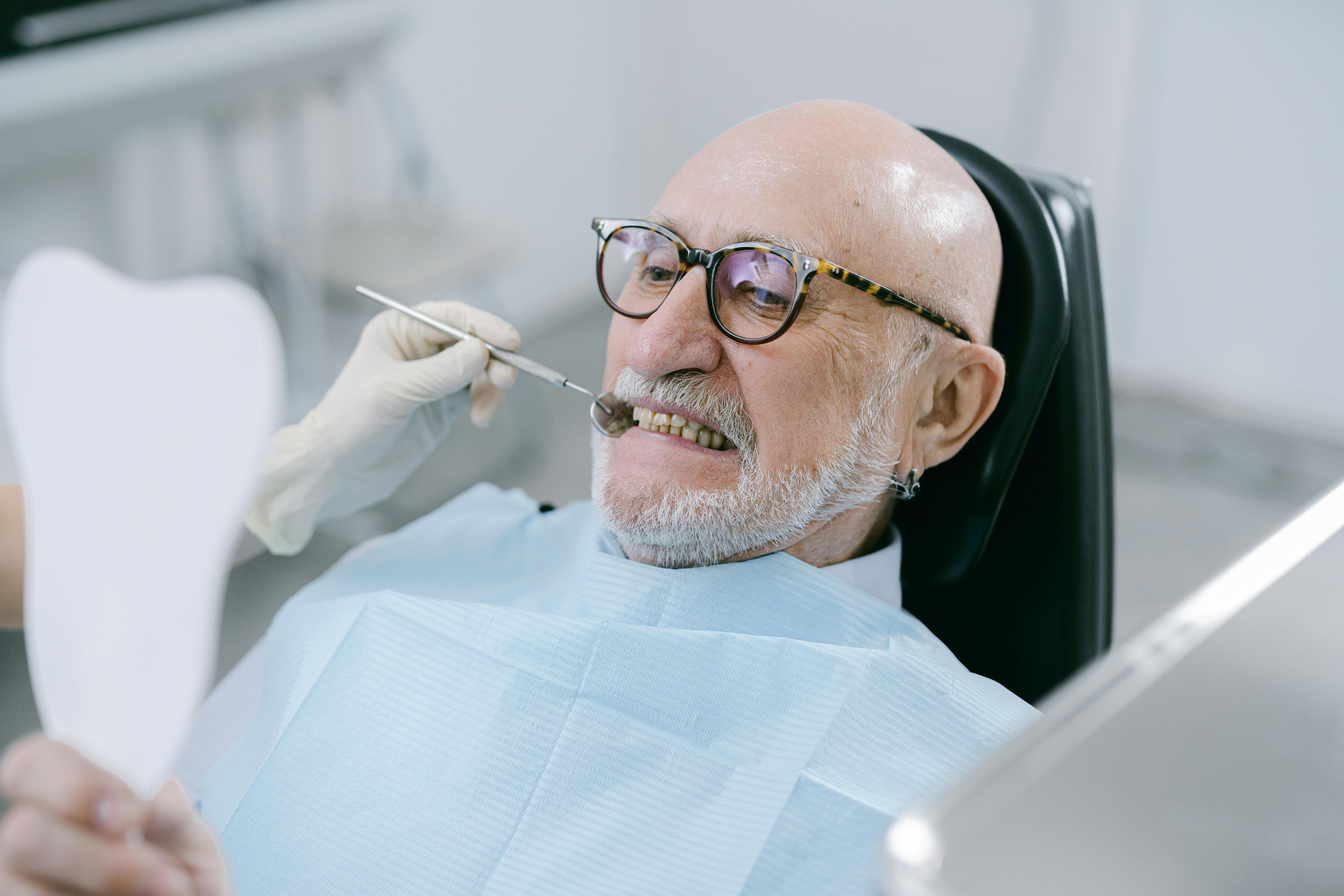
The All On 4 implants success rate is high across the general population, but candidacy still matters. Not every patient is an equally strong candidate, and identifying the right fit upfront is one of the most important steps toward a successful long-term outcome.
Strong candidates typically share these characteristics:
Completely edentulous (fully toothless) or facing full-arch tooth loss due to decay, gum disease, or trauma
Sufficient anterior bone density — even patients with posterior bone loss are often eligible, thanks to the angled implant design
Non-smokers or patients willing to quit, as smoking triples the risk of significant bone loss around implants
Well-controlled systemic health — particularly blood sugar levels in diabetic patients
Realistic expectations about the maintenance and longevity of prosthetic components
Patients who may need additional evaluation:
Active smokers — not automatically disqualified, but risk is significantly elevated
Uncontrolled diabetics — blood sugar regulation directly affects osseointegration (the process by which the implant fuses with the bone)
Patients with a history of implant failure — prior failure is associated with a nearly four-fold increased risk of future complications.
Patients with severe bone loss across both anterior and posterior regions — in these cases, zygomatic implants anchored in the cheekbone may be a more appropriate option.
A thorough evaluation is required before any treatment decision is made. The goal is to plan the procedure around your anatomy, not fit your anatomy into a generic protocol.
Astoria’s Trusted Dentist for Successful Dental Implants
The factors that drive strong success rates are exactly where the right dental team makes the difference. As your trusted dentist in Astoria, Smile4Me Dental Care brings a meticulous, patient-first approach to every full-arch case. That means comprehensive diagnostic imaging before a single implant is placed, a treatment plan built around your specific bone anatomy and health history, and a clear conversation about what to expect before you commit to anything.
If you're exploring All On 4 as a solution, the best next step is booking a consultation. We'll evaluate whether you're a strong candidate, walk you through the process, and give you an honest picture of what your outcome could look like. Reach out to us today or call (718) 400-4400.