
Getting a dental implant in Astoria is one of the most reliable investments you can make in your smile, but it also requires patience. Many patients are surprised to learn that the process unfolds over several months, not several days. So, how long do dental implants take to heal? Well, the honest answer is that it depends on a combination of biological, lifestyle, and procedural factors unique to each patient.
This guide breaks down every stage of the healing process, what to expect week by week, and how to set yourself up for a smooth, successful recovery.
How Long Do Dental Implants Take to Heal? The Short Answer
For most patients, dental implants take anywhere from 3 to 6 months to fully heal, from placement to the final crown. The visible gum tissue typically recovers within the first 1 to 2 weeks, but the more critical process, the fusion of the implant with the jawbone, continues silently beneath the surface for several months.
In straightforward cases without prior bone grafting, the entire treatment, from surgery to final restoration, is often completed within 6 months. Patients who require preparatory procedures such as bone grafting or tooth extractions should plan for a longer overall timeline, sometimes ranging from 9 to 12 months or more.
RELATED: How Long Do Bone Grafts Take to Heal?
The 4 Dental Implant Healing Stages Explained
These four dental implant healing stages each serve a distinct biological purpose, and understanding what is happening at each phase helps set accurate expectations for the road ahead.
Stage 1: Immediate Post-Surgical Phase
Right after surgery, your body forms a protective blood clot at the implant site to seal the wound and start healing. Mild swelling, bleeding, and discomfort are normal, with swelling usually peaking around 48–72 hours. Pain is typically managed with medication, along with rest, ice packs, and avoiding strenuous activity to protect the site.
Stage 2: Soft Tissue Healing
During the first two weeks, the gums begin closing around the implant. Swelling and tenderness noticeably decrease, and any sutures either dissolve or are removed. Patients should stick to soft foods and avoid disturbing the area, though most can return to light daily activities by the end of this phase.
Stage 3: Osseointegration
This is the most important stage, where the implant fuses with the jawbone. Bone cells gradually attach to the titanium post, creating a strong, stable foundation. This process typically takes 3–6 months and happens without noticeable symptoms, which is completely normal.
Stage 4: Final Restoration
Once the implant is fully integrated, the final crown is placed. The restoration is custom-designed to match your natural teeth in shape and color, making it both functional and aesthetic. At this point, healing is complete, and the implant is ready for everyday use.
Week-by-Week Dental Implant Recovery Timeline
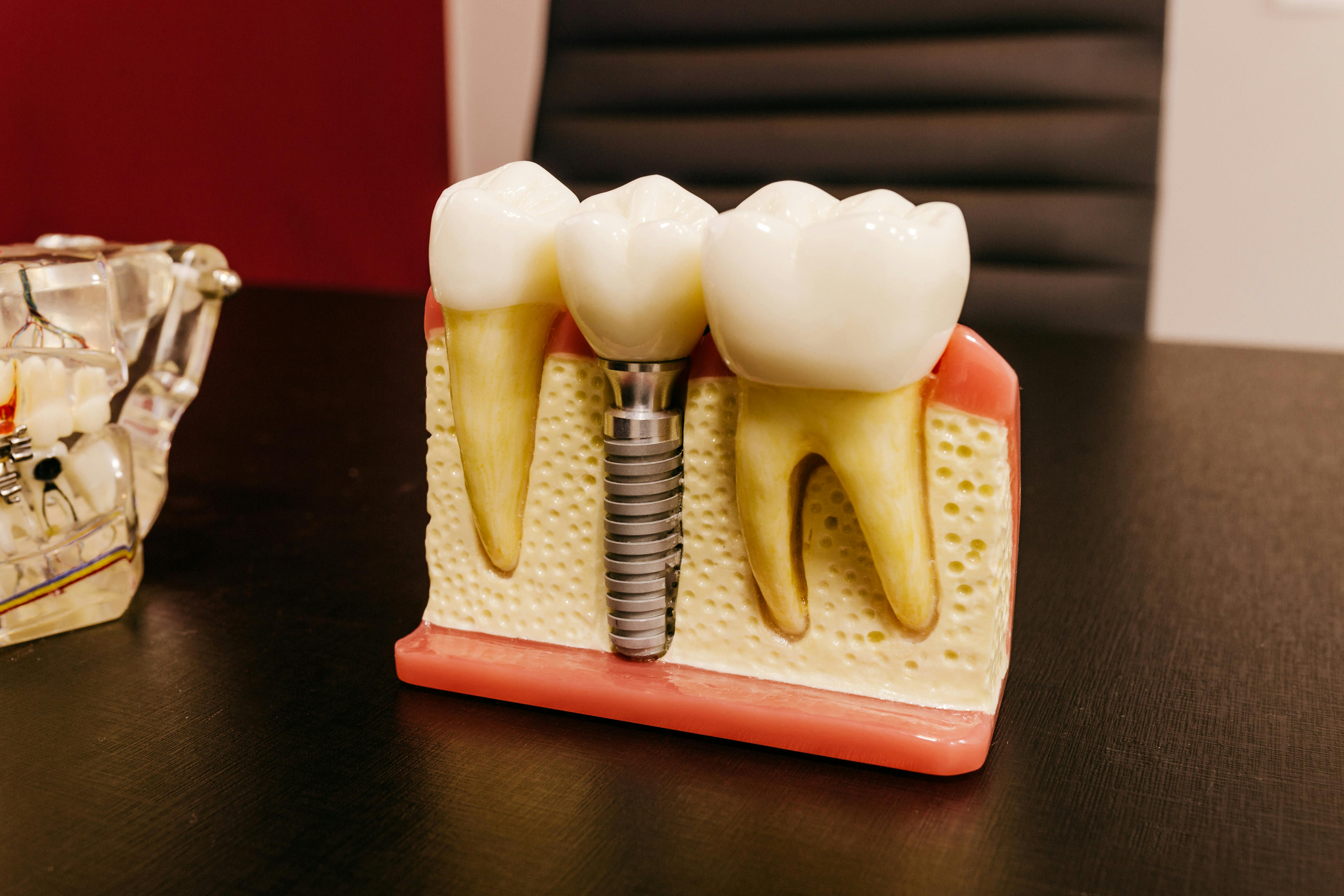
The dental implant recovery timeline is easier to follow when broken down into specific time windows, helping patients recognize what is normal and when to check in with their provider.
Week 1
Swelling peaks between 48–72 hours post-surgery, then gradually decreases. Pain is typically managed with medication and is most noticeable during the first three days.
Week 2
Gum tissue continues closing. Most patients notice swelling is nearly resolved and tenderness is significantly reduced. Light activity resumes. Sutures may dissolve or be removed at a follow-up appointment.
Weeks 3-4
For most patients, discomfort is gone entirely. The site looks and feels almost normal. Hard, crunchy, or sticky foods should still be avoided to protect the healing bone interface beneath.
Months 2-3
During this phase, osseointegration is actively progressing beneath the surface as the implant continues bonding with the jawbone. Even though the area feels fully healed, it’s important to avoid excessive pressure and follow all care instructions to support stable integration.
Months 4-6
The implant is assessed for stability. Healing after dental implant surgery during this window determines whether the patient is ready for the final crown. If bone grafting was performed beforehand, total healing in these cases can stretch closer to 9-12 months.
Osseointegration: Why Healing Takes Time With Dental Implants
Osseointegration is the biological process that makes dental implants so reliable, but it also explains why healing isn’t immediate. After placement, the surrounding bone needs time to grow and fuse directly to the titanium implant, creating a secure, load-bearing foundation. This isn’t surface-level healing; it happens at a microscopic level as bone cells attach and strengthen around the implant. Because your body is essentially rebuilding its support from within, this phase typically takes several months to complete.
Factors That Affect How Long Your Dental Implant Takes to Fully Heal
So, how long does a dental implant take to heal? Well, it’s not a one-size-fits-all answer. Here are eight key variables that influence the healing timeline from patient to patient.
Bone density and volume: Patients with insufficient bone may require a bone graft prior to implant placement, which adds healing time to the overall treatment plan before the implant procedure even begins.
Implant location: Back molars are subject to greater chewing forces and may integrate more slowly than implants in the front teeth.
Overall health: Conditions such as diabetes, osteoporosis, and autoimmune disorders can directly slow osseointegration and affect long-term implant success.
Smoking: Smoking significantly impairs blood circulation to the gum tissue and bone. Studies consistently show that smoking significantly increases the risk of implant failure, making tobacco cessation one of the most impactful steps a patient can take.
Age: Bone metabolism slows with age, which can modestly extend healing time in older patients.
Number of implants: Full-arch restorations involving multiple implants require a longer recovery time than a single-tooth replacement.
Surgical technique and approach: Precision placement and proven implant systems directly influence the predictability of bone integration.
Aftercare compliance: Patients who follow post-operative instructions consistently tend to heal more predictably. The healing time for dental implants is genuinely influenced by patient behavior throughout recovery.
At Smile4Me Dental Care, every treatment plan accounts for these individual variables, so your timeline is built around your biology, not a generic average.
How to Support Faster Healing After Dental Implant Surgery

The healing process for dental implants can be supported through consistent, attentive aftercare. Here is what patients can do to give their implant the best chance at successful integration.
Immediate recovery care (first 2 weeks):
Apply ice packs in 20-minute intervals to manage swelling in the first 48 hours
Keep your head elevated, especially while sleeping, to reduce fluid accumulation
Take prescribed medications as directed—do not skip doses because you feel fine
Avoid all tobacco and alcohol throughout the recovery period
Eat soft foods exclusively for the first two weeks and steer clear of straws
Rinse gently with warm saltwater starting 24 hours after surgery to reduce bacterial load without disturbing the surgical site
Do not probe, poke, or press on the implant site with your tongue or fingers
Long-term implant protection (months 2–6 and beyond):
Once your implant is fully integrated, the maintenance habits you build will determine how long it lasts
Continue avoiding hard, crunchy, or sticky foods until osseointegration is confirmed
Attend every follow-up appointment—these check-ins are how your provider monitors bone integration
If you grind your teeth at night, ask about a nightguard, as grinding can place damaging pressure on a healing implant
RELATED: 10 Tips for the Maintenance of Dental Implants
Warning Signs During Healing: When to Call Your Dentist
The dental implant healing process involves some discomfort, but not all symptoms are normal. Knowing the difference between expected healing and a genuine warning sign can protect your implant and your health.
Symptom | Normal? | Action Needed? |
Mild swelling (first 3–5 days) | Yes | No — use ice, rest |
Light bleeding (first 24–48 hours) | Yes | No — gentle pressure with gauze |
Tenderness at the site (first week) | Yes | No — manage with medication |
Bruising around the jaw or neck | Yes | No — resolves on its own |
Pain worsening after day 5–7 | No | Yes — call your dentist |
Pus, discharge, or foul taste | No | Yes — urgent call |
Fever above 101°F | No | Yes — seek prompt attention |
The implant feels loose at any point | No | Yes — contact office immediately |
Gum pulling away from the implant post | No | Yes — needs evaluation |
Numbness persists beyond 2–3 days | No | Yes — may indicate nerve involvement |
Is a Dental Implant Worth the Healing Time?
For most patients, the answer is yes, because the healing period supports a result that is built to last for many years. Dental implants do more than fill a gap; they restore chewing function, support bone health, and provide a stable, natural-looking replacement that does not shift like a removable option. While the process requires patience, that time is what allows the implant to become securely anchored in the jaw. In the long run, many patients find the added healing time well worth the strength, comfort, and confidence implants can provide.
RELATED: Are Dental Implants Worth It?
Meet Dr. Khaimov: Trusted Implant Dentist in Astoria
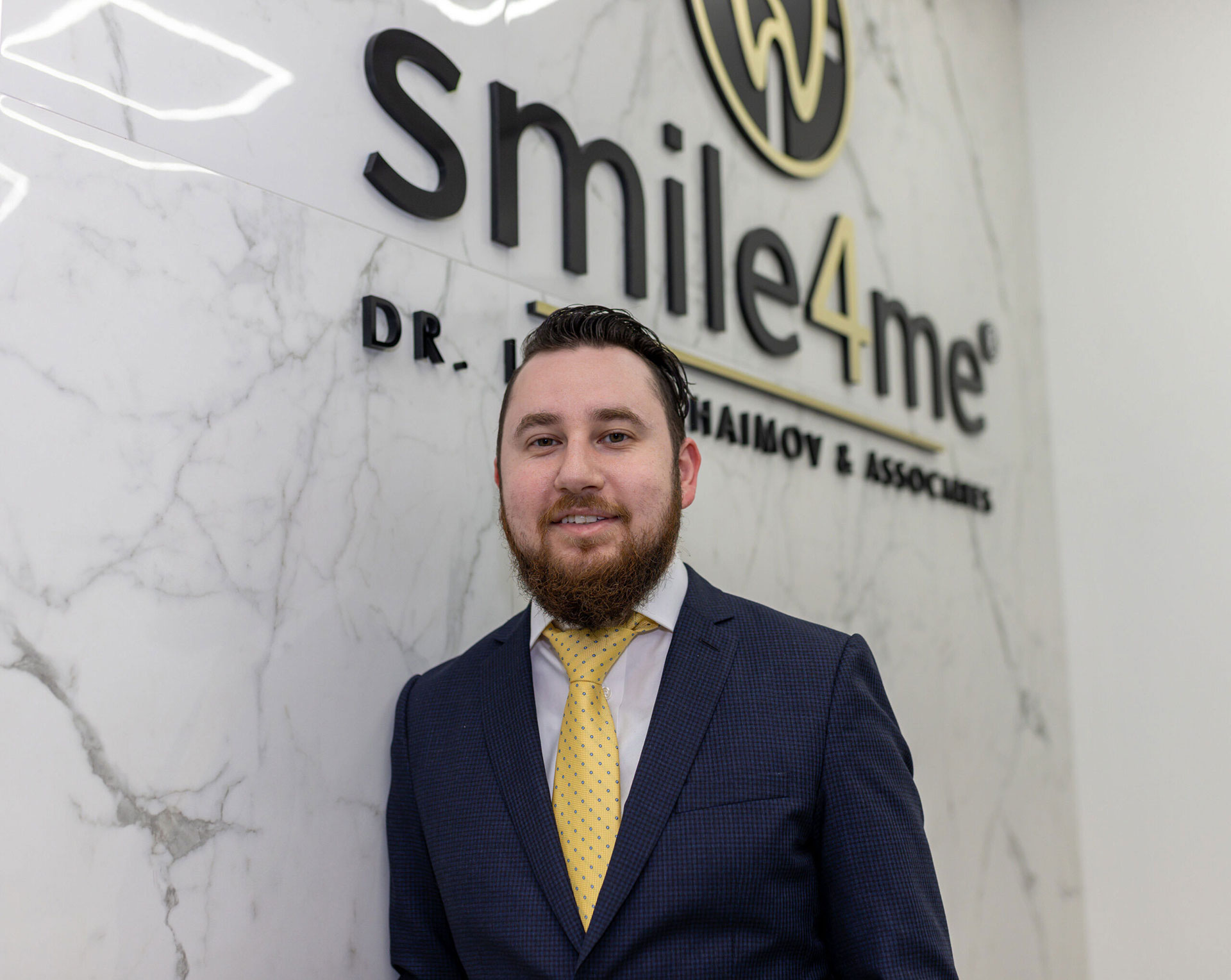
Dr. Khaimov is known for delivering implant care with a strong focus on precision, comfort, and long-term success. He takes the time to evaluate each patient’s oral health, bone structure, and treatment goals so the implant process can be planned carefully from the start.
At Smile4Me Dental Care, patients benefit from advanced technology, detailed treatment planning, and a personalized approach throughout every stage of care. Whether you need a single implant or a more complex restoration, the goal is always to make treatment feel clear, supportive, and tailored to you.
Final Thoughts on the Healing Process for Dental Implants
Dental implant healing is a layered process, one that progresses from initial surgical recovery through soft-tissue repair and ultimately to the deep biological fusion of bone and titanium that makes implants so dependable. The timeline varies by patient, but with the right provider, proper aftercare, and a clear understanding of each stage, the process is entirely manageable.
If you're ready to take the next step, our dentist in Astoria is here to help. Book your appointment today to get a personalized dental implant experience tailored to your specific needs.
FAQs About Dental Implant Healing
How long does it take for dental implants to heal completely?
Most dental implants take about three to six months to heal completely, though cases involving bone grafting or more complex treatment can take longer.
How long do mini dental implants take to heal?
Mini dental implants may heal somewhat faster than traditional implants in some cases, but they still require several weeks to months for the surrounding tissue and bone to stabilize properly.
What happens if my dental implant feels loose during recovery?
If your dental implant feels loose at any point during recovery, contact your dentist immediately, as movement is not normal and may indicate a problem with healing or integration.
When can I eat normally after dental implant surgery?
Most patients can gradually return to a more normal diet as healing progresses, but hard or chewy foods should usually be avoided until your dentist confirms the implant is stable.